
edition #4
08/10/2026
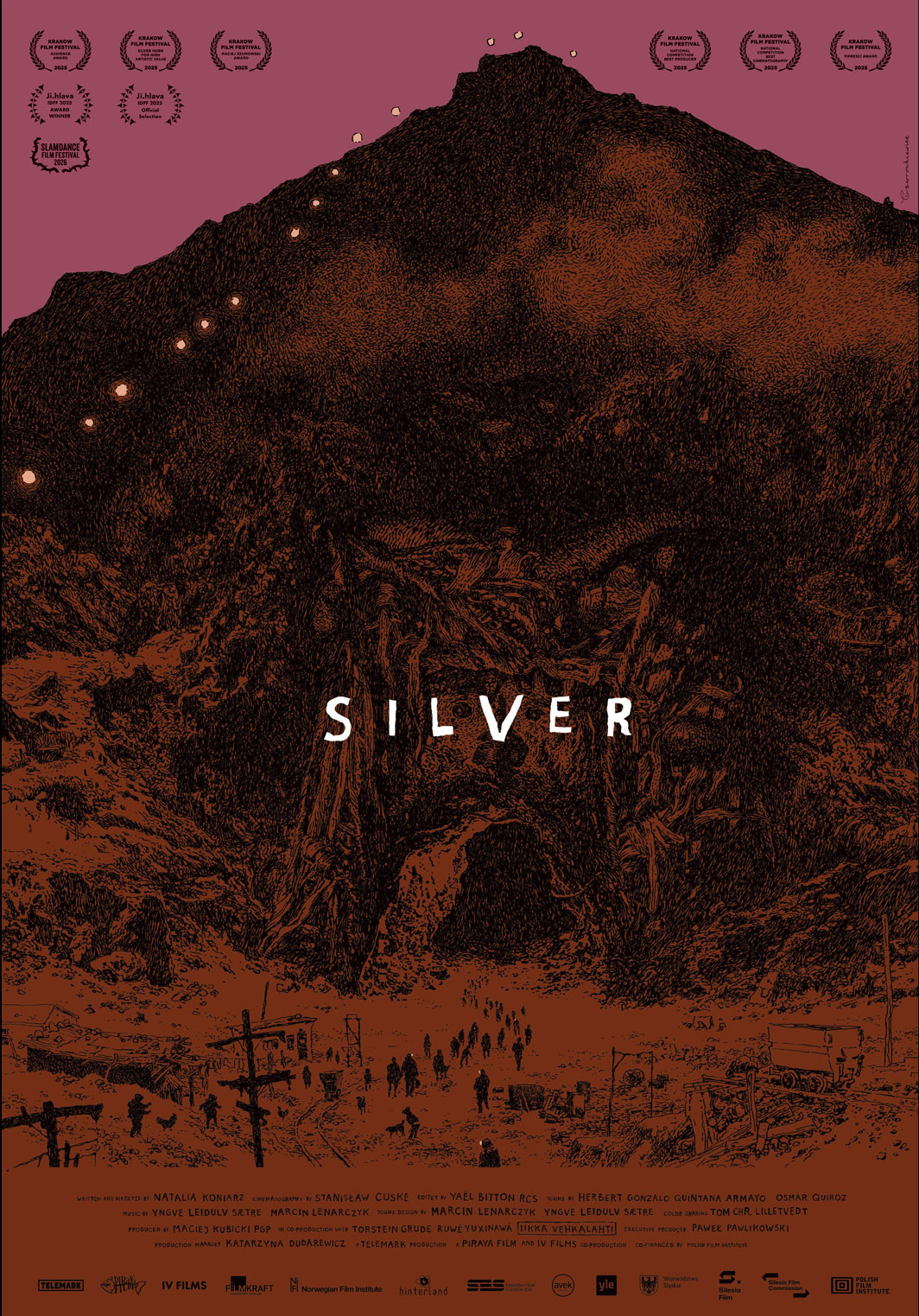
SILVER
Natalia Koniarz / 2025 / 79’
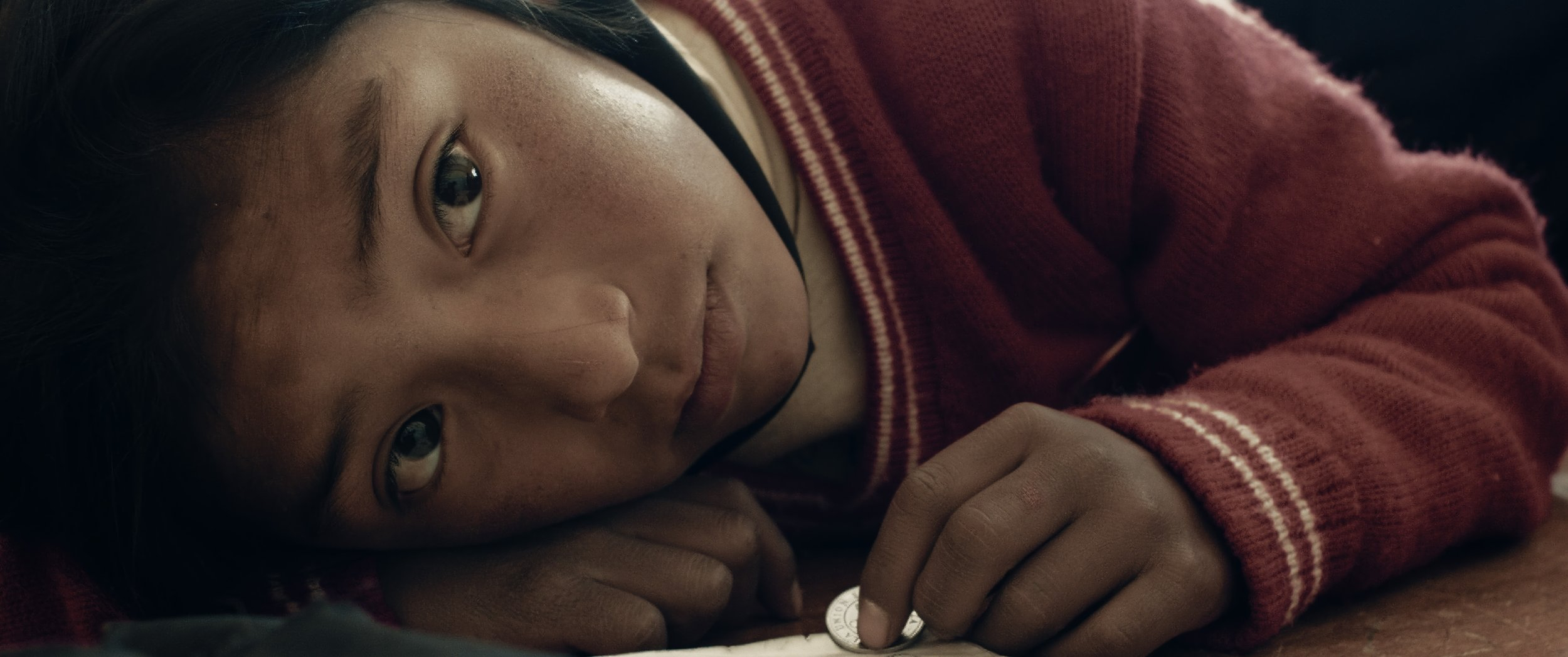
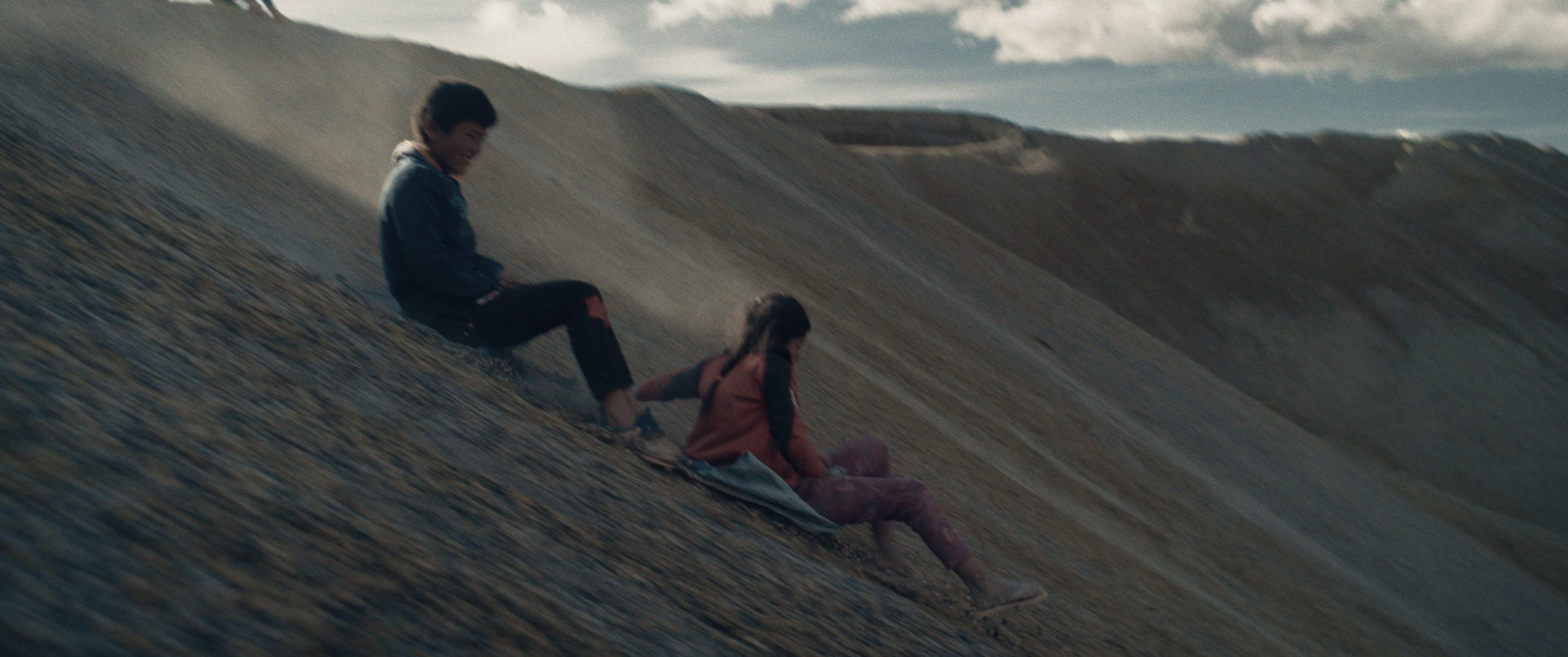
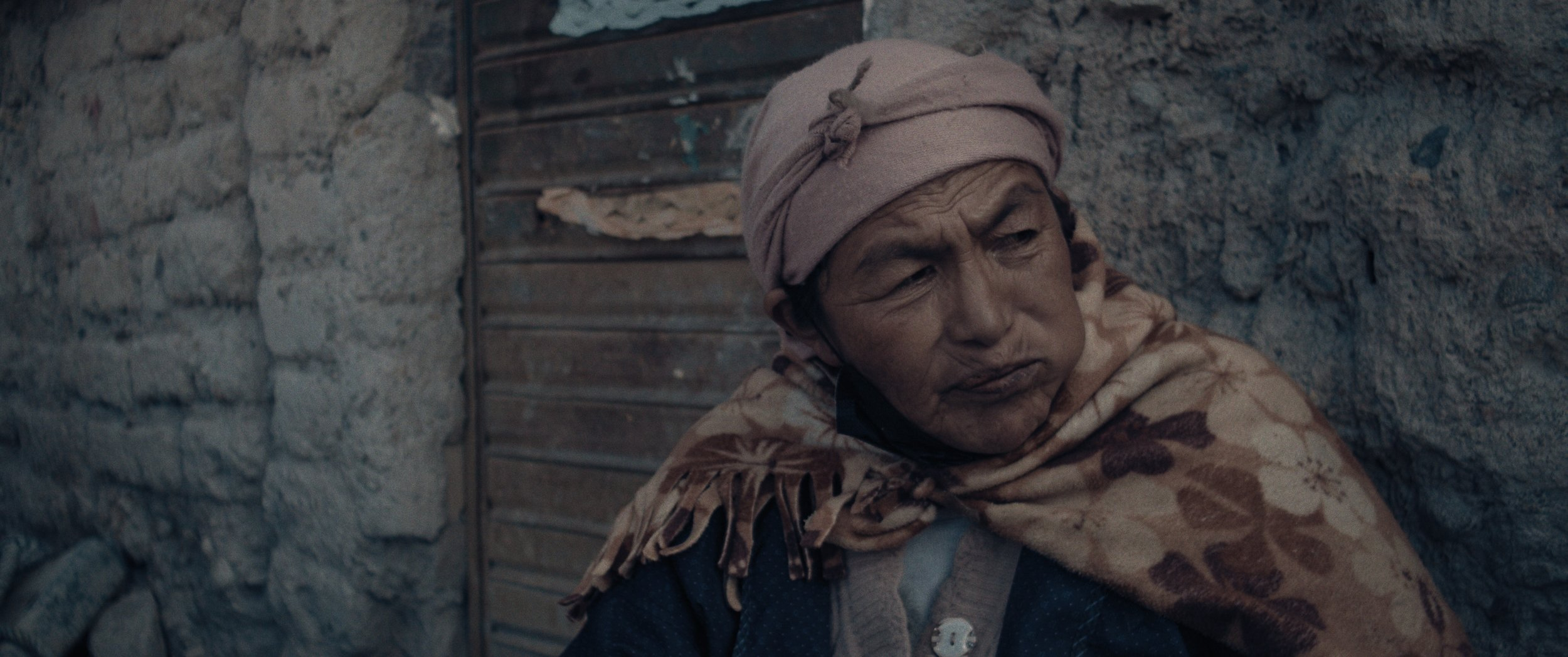
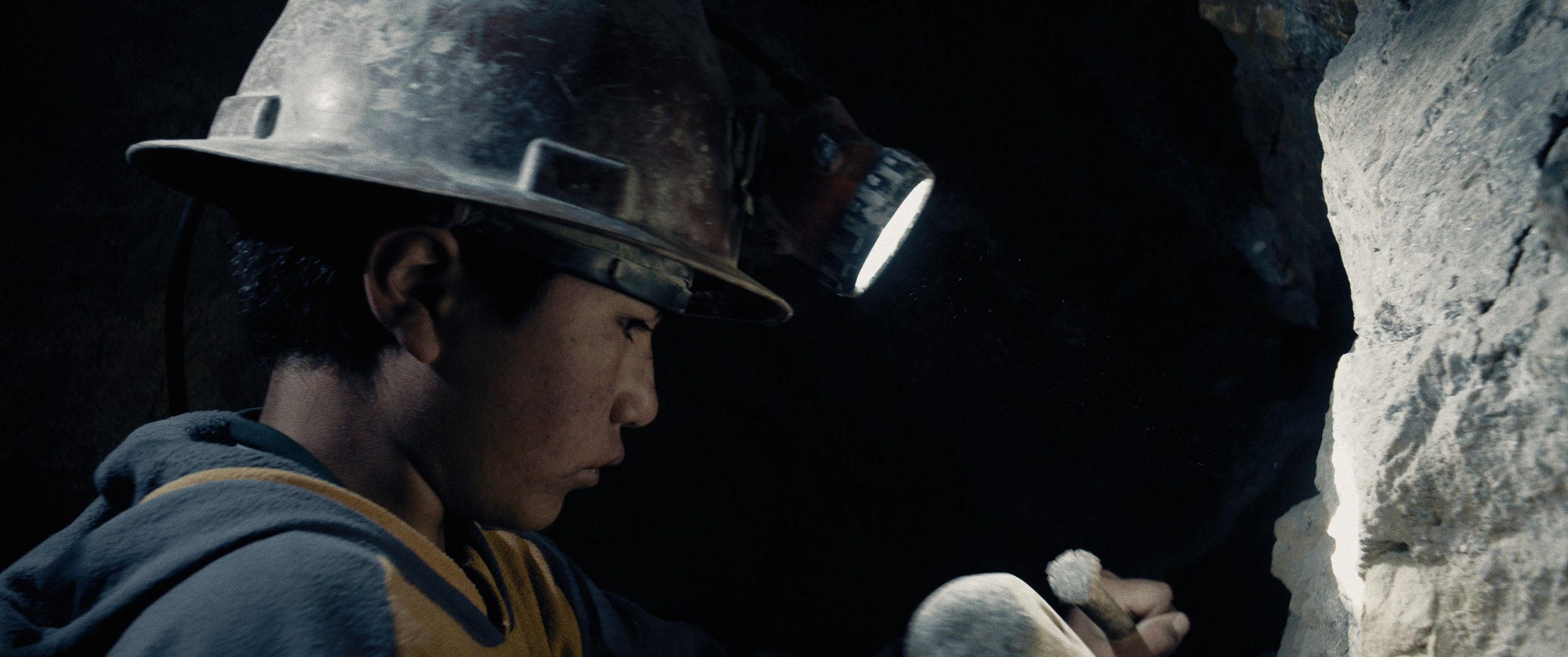
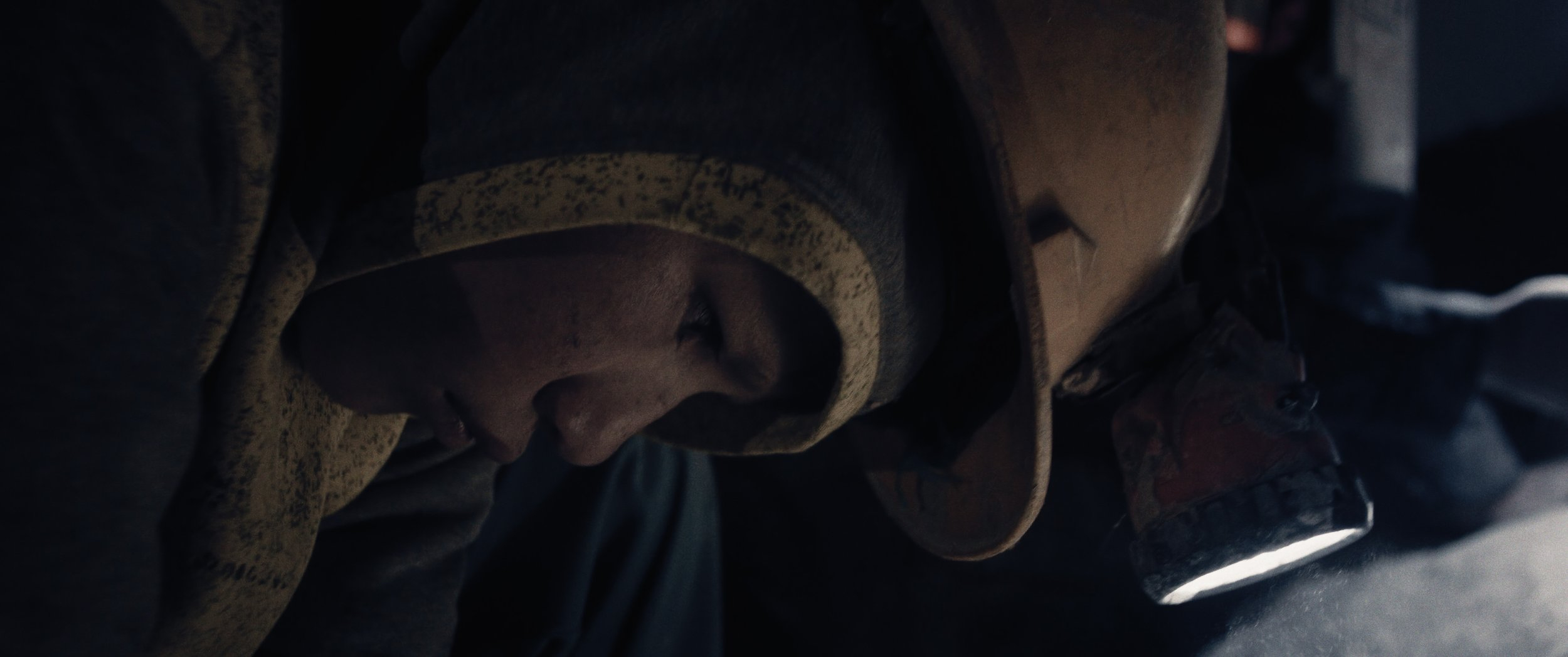
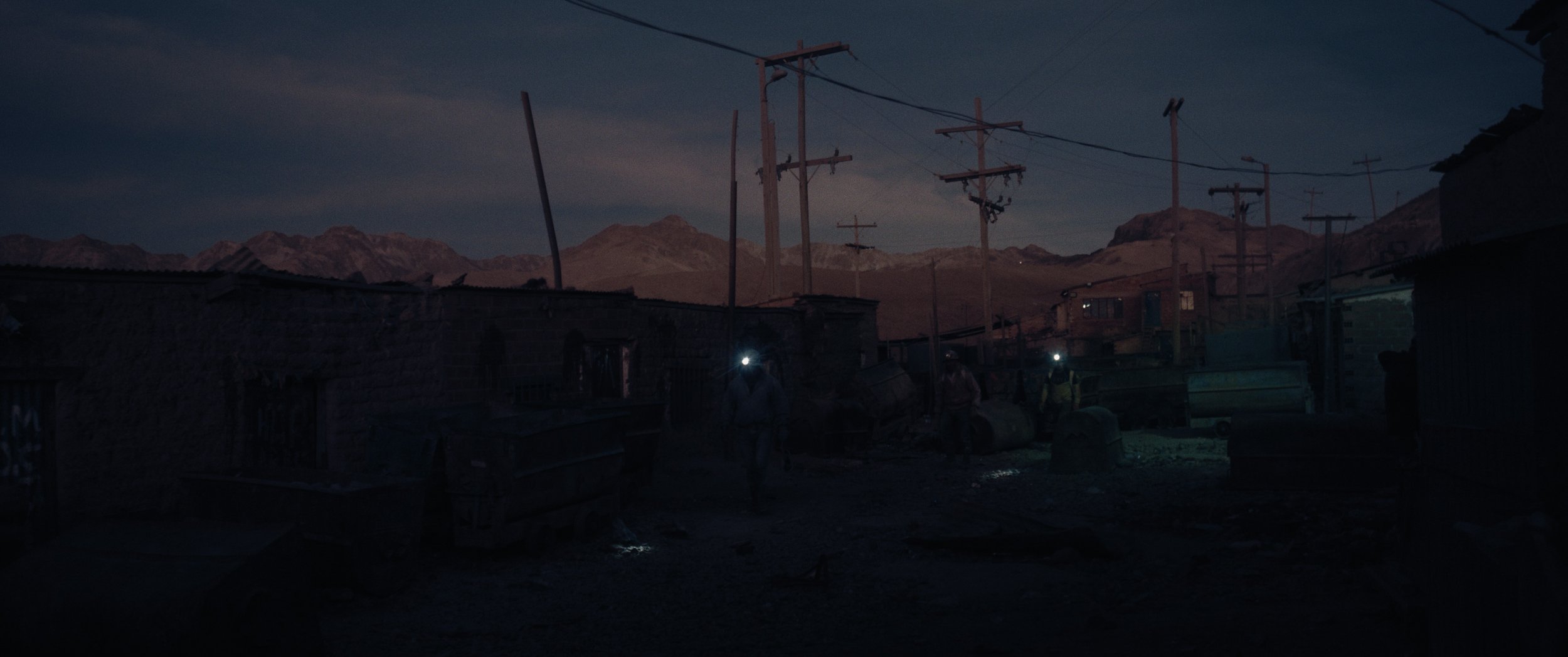
Since colonial times, millions of people have died in the Bolivian silver mines of Potosí. In the 21st century, there are still murderous working conditions there, from which the profits are reaped by international corporations. For the people who live in the area, including children, the mines constitute their entire lives. This documentary depicts their daily routine underground and on the surface without any embellishment. It offers a glimpse into the world where survival depends on the precious metal chunk chipped away by the sweat of the miner’s brow. The exploitation of resources is accompanied by the exploitation of people – and the film brings them out of darkness and oblivion for a moment.
Screening: 20h, Filmclub Bolzano
In collaboration with: Female Views
Documentary filmmaker. Born in the Beskid Mountains, she has lived and worked in Chile, Bolivia, and France. A graduate of the Krzysztof Kieślowski Film School, where she currently lectures and is pursuing a PhD. Her work centers on a deep attentiveness to people and the systems that shape them. She made her debut with the film The Dam, which won awards at festivals including FIPADOC, Go Short, and New Horizons. The film was screened at over 50 festivals and broadcast on the French platform TENK as well as Polish public television. Her mid-length documentary Postcards from the Verge premiered at IDFA and was shown at Makedox, Women Make Waves, and many other international festivals. She is a three-time winner of the Jantar Award at the Young and Film Festival.
She received the Grand Prix for Best Pitch at the East Doc Platform Forum, a Special Mention at Doc Lab, and participated in the Ex Oriente program. Her projects have also been developed within DocsBarcelona Public Pitch and FIPADOC Industry. Her feature-length documentary Silver (2025) won six awards at the Krakow Film Festival, including the Silver Horn in the international competition, the FIPRESCI award, the audience award, and a recommendation for a European Film Award nomination.
directed by: Natalia Koniarz
written by: Natalia Koniarz
director of photography: Stanisław Cuske
producer: Maciej Kubicki
co-producer: Torstein Grude Ruwe Yuxinawa, Iikka Vehkalahti
producion: Telemark
co-coproduction: TPiraya Films, IV Films
editor: Yael Bitton
music: Yngve Leidulv Saetre, Marcin Lenarczyk
countries: PL, NO, FI
Krakow Film Festival 2025 (Kraków, Poland)
Festiwal Polskich Filmów Fabularnych 2025 (Gdynia, Poland)
Bergen International Film Festival 2025 (Bergen, Norway)
Ji.hlava International Documentary Film Festival 2025 (Jihlava, Czech Republic)
Films from the South 2025 (Oslo, Norway)
Tallinn Black Nights Film Festival 2025 (Tallinn, Estonia)
EnergaCAMERIMAGE International Film Festival 2025 (Toruń, Poland)
Watch Docs International Film Festival 2025 (Warsaw, Poland)
Slamdance Film Festival 2026 (Park City, UT)
ArtDocFest/Riga 2026 (Riga, Latvia)
FIFDH – Geneva International Film Festival and Forum on Human Rights 2026 (Geneva, Switzerland)
One World International Human Rights Film Festival 2026 (Prague, Czechia)
Febiofest International Film Festival 2026 (Bratislava, Slovakia)
Echoes of Ji.hlava Brussels 2026 (Brussels, Belgium)
ZagrebDox International Documentary Film Festival 2026 (Zagreb, Croatia)
Trento Film Festival 2026 (Trento, Italy)
Beldocs International Documentary Film Festival 2026 (Belgrade, Serbia)
Neisse Nysa Nisa Film Festival 2026 (Germany/Poland/Czech Republic)
Doxumentale – International Documentary and Media Festival 2026 (Berlin, Germany)
CinemAmbiente Film Festival 2026 (Turin, Italy)
TiCIFF – TiCinema International Film Festival 2026 (Italy)
Docudays UA International Human Rights Documentary Film Festival 2026 (Kyiv, Ukraine)
Mumbai International Film Festival 2026 (Mumbai, India)
FIFALP – International Alpine Film Festival of Les Diablerets 2026 (Les Diablerets, Switzerland)
Nòt Film Fest 2026 (Bergamo, Italy)
Tripoli Film Festival 2026 (Tripoli, Lebanon)
Ulsan Ulju Mountain Film Festival 2026 (Ulsan, South Korea)
Inconvenient Films International Human Rights Documentary Film Festival 2026 (Vilnius, Lithuania)
Doc Days Bolzano 2026 (Bolzano, Italy)
Another Way Film Festival 2026 (Madrid, Spain)
DocsMX International Documentary Film Festival of Mexico City 2026 (Mexico City, Mexico)
Dutch Mountain Film Festival 2026 (Netherlands)
Silver Horn 2025 (Krakow Film Festival)
FIPRESCI Award 2025 (Krakow Film Festival)
Maciej Szumowski Award 2025 (Krakow Film Festival)
Best Cinematography Award 2025 (Krakow Film Festival)
Best Producer Award 2025 (Krakow Film Festival)
Audience Award 2025 (Krakow Film Festival)
Opus Bonum – Best Documentary Film 2025 (Ji.hlava International Documentary Film Festival)
Best Documentary Film in the Visegrad Region 2025 (Ji.hlava International Documentary Film Festival)
Best Cinematography 2025 (Ji.hlava International Documentary Film Festival)
Association of Arthouse Cinemas Award 2025 (Watch Docs International Film Festival)
Documentary Feature Grand Jury Prize 2026 (Slamdance Film Festival)
Best Director Award 2026 (ArtDocFest/Riga)
Little Stamp Award for Best Film by a Young Author 2026 (ZagrebDox)
Special Mention, International Competition 2026 (ZagrebDox)
Special Jury Prize 2026 (Trento Film Festival)
Environment and Society Award 2026 (CinemAmbiente Film Festival)
Golden Conch Award – Best Documentary Film 2026 (Mumbai International Film Festival)
Special Jury Prize 2026 (FIFALP)
11/11/2026
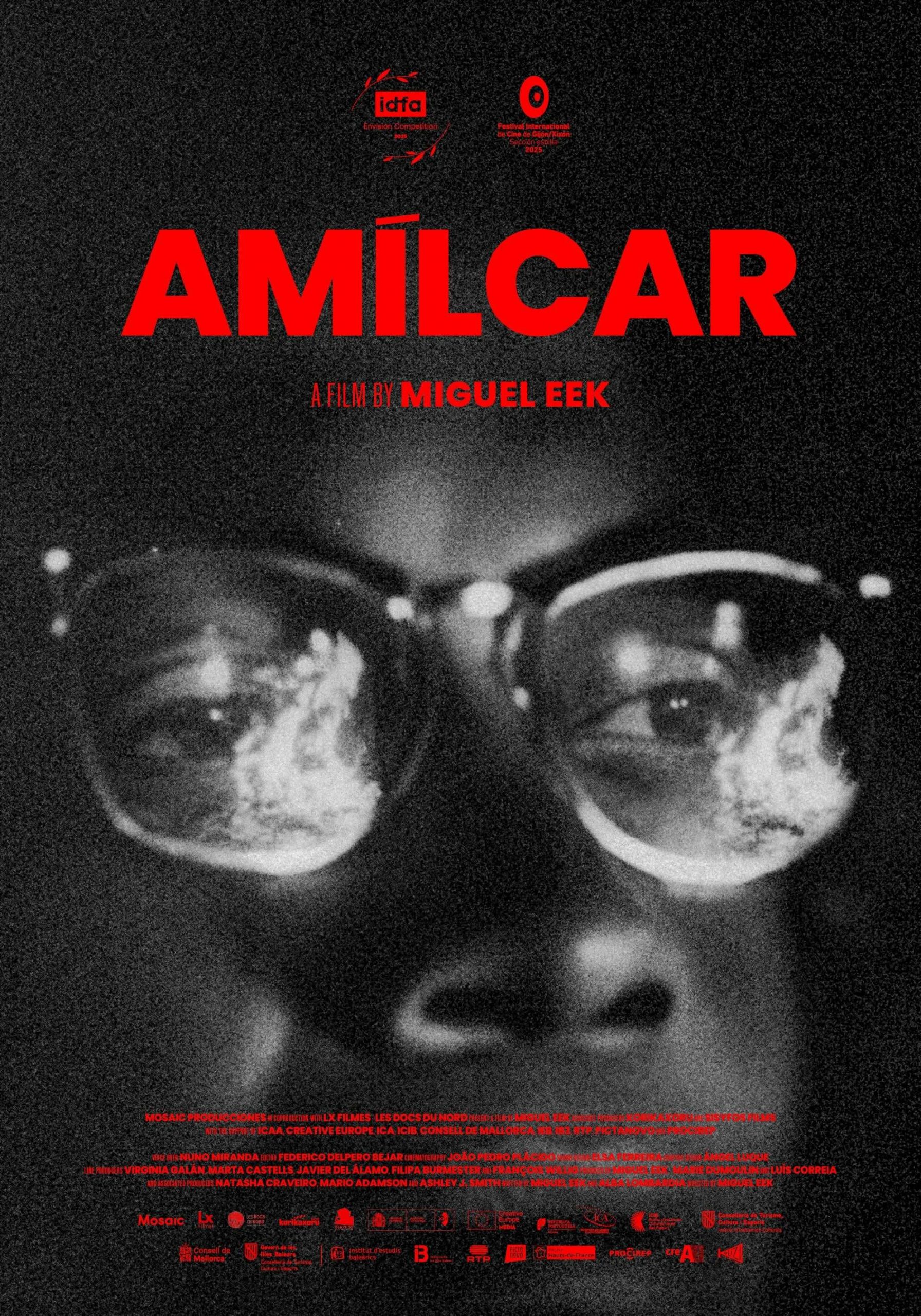
AMíLCAR
Miguel Eek / 2025 / 87’
Poet, agricultural engineer and revolutionary Amílcar Cabral was one of the most influential anti-colonial leaders in history, uniting more than a million Guineans in the fight against Portuguese colonial rule, liberating three-quarters of Guinea-Bissau’s rural areas, and inspiring other African nations to rise up and claim their independence. The film reimagines Cabral’s inner voice on a personal and historical journey, blending previously unseen archival footage, Portuguese colonial films, and Guinean revolutionary footage with new 16mm images. A meditative visual diary that evokes both the public figure and the private man: the visionary leader and the thinker.
Screening: 20h, Filmclub Bolzano
In collaboration with: Analogica
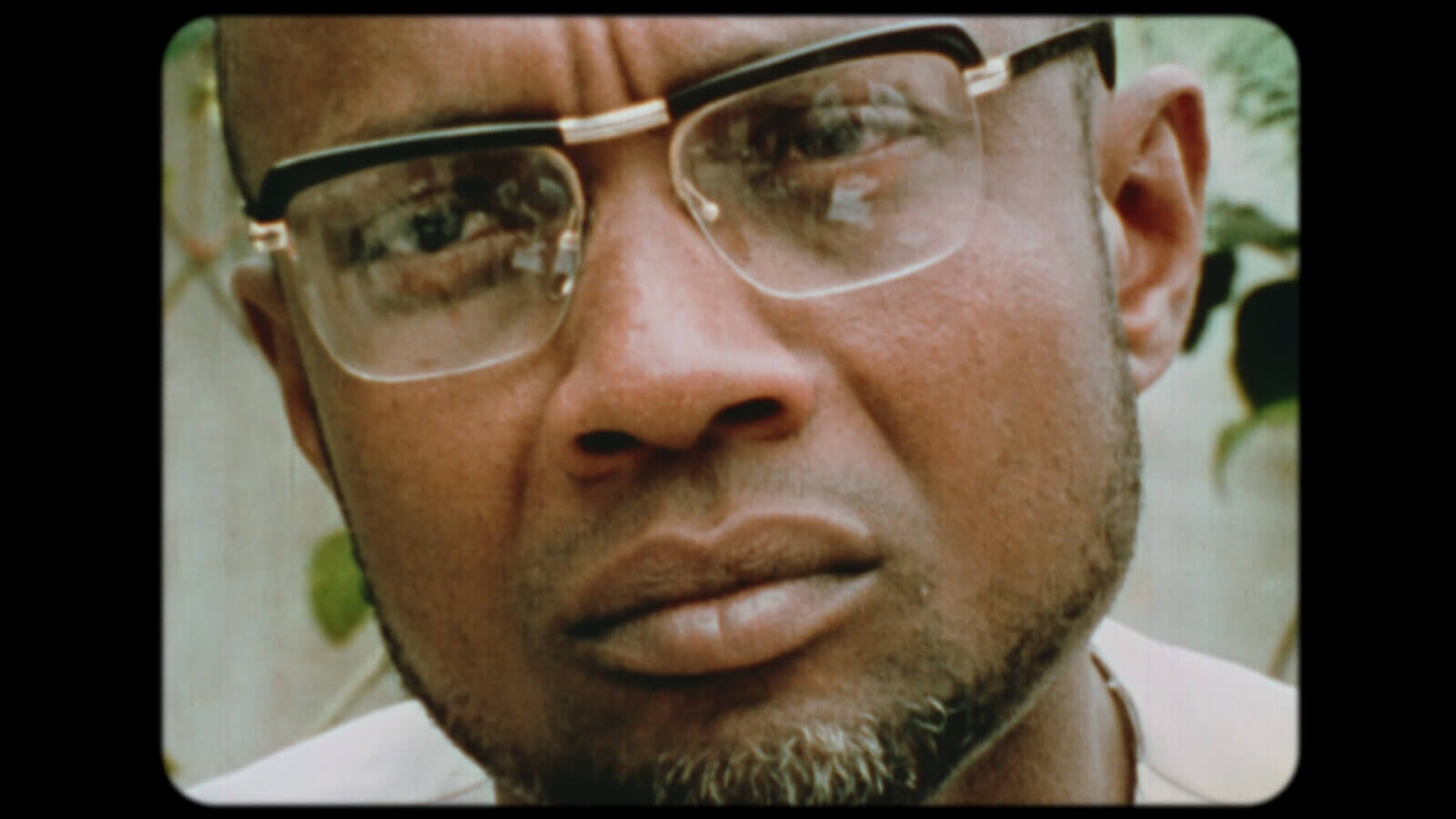
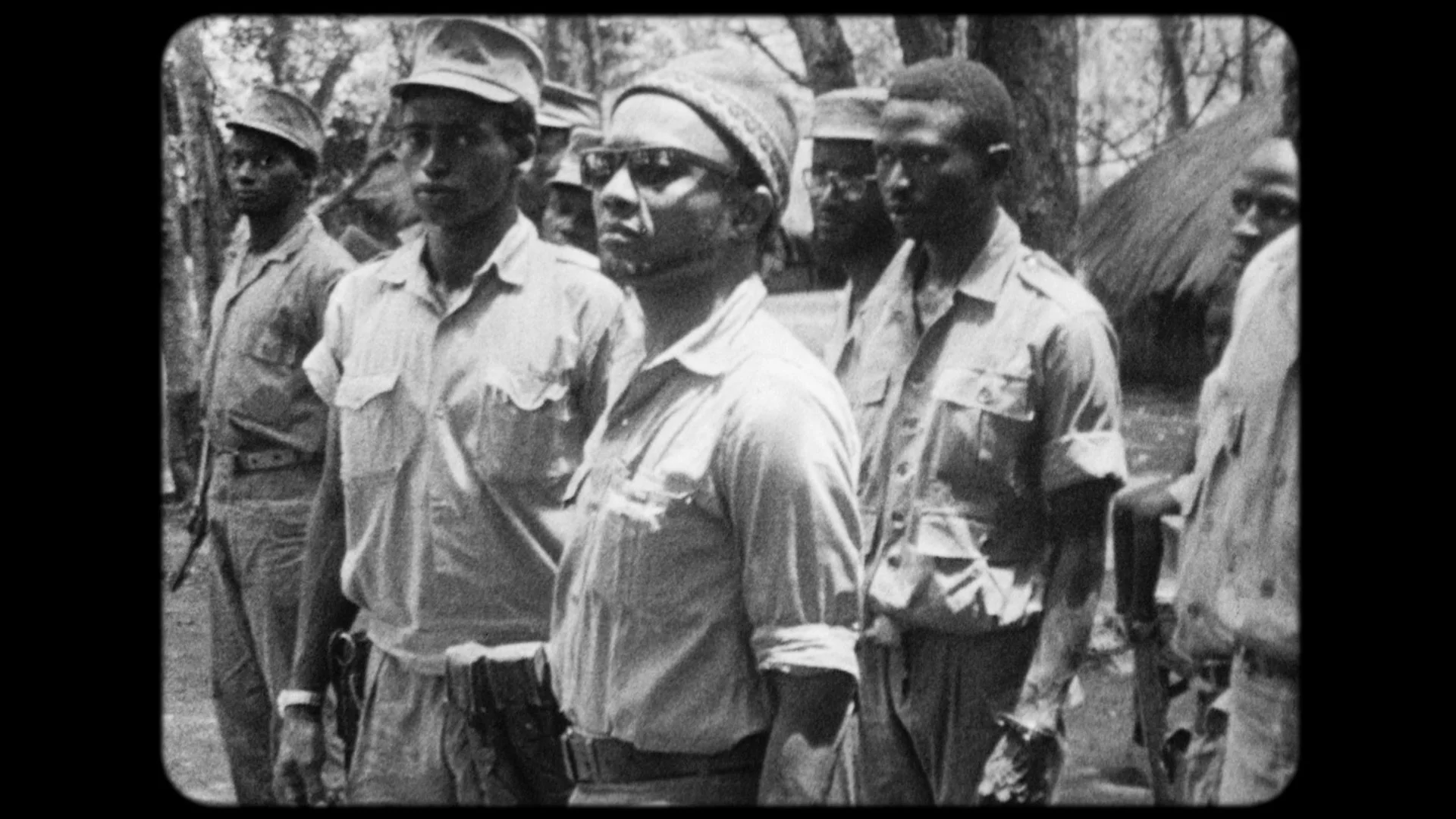
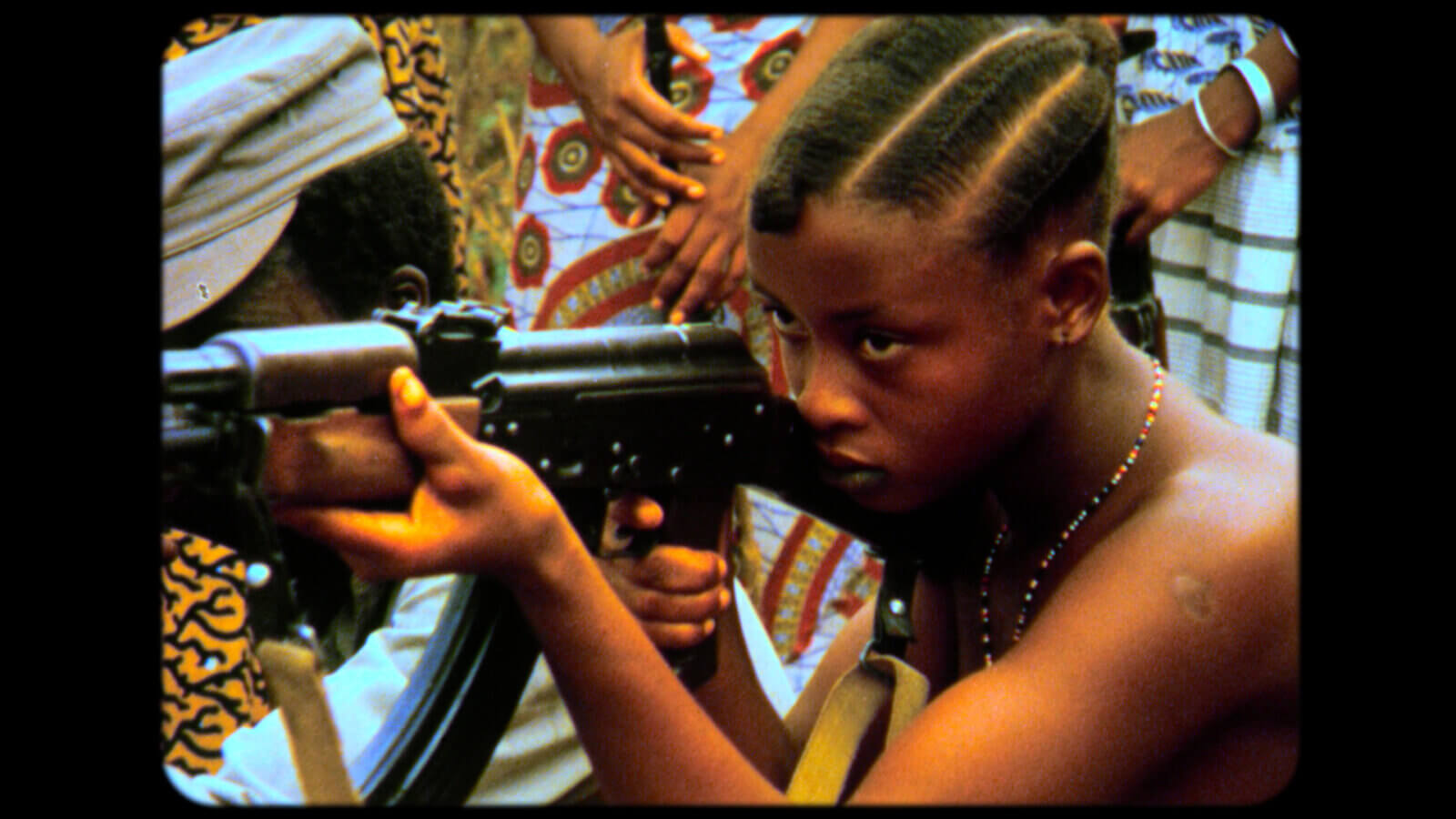
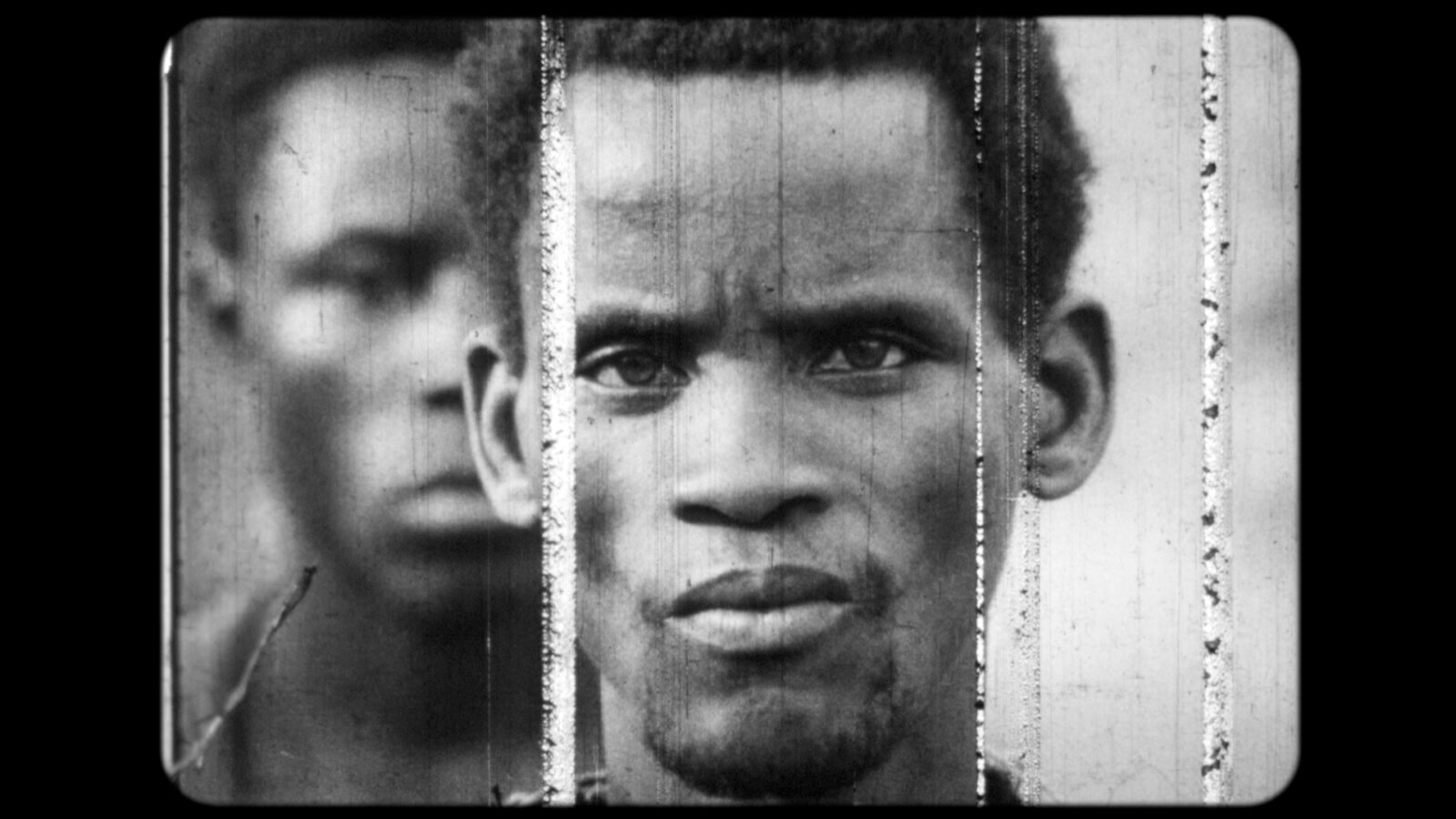
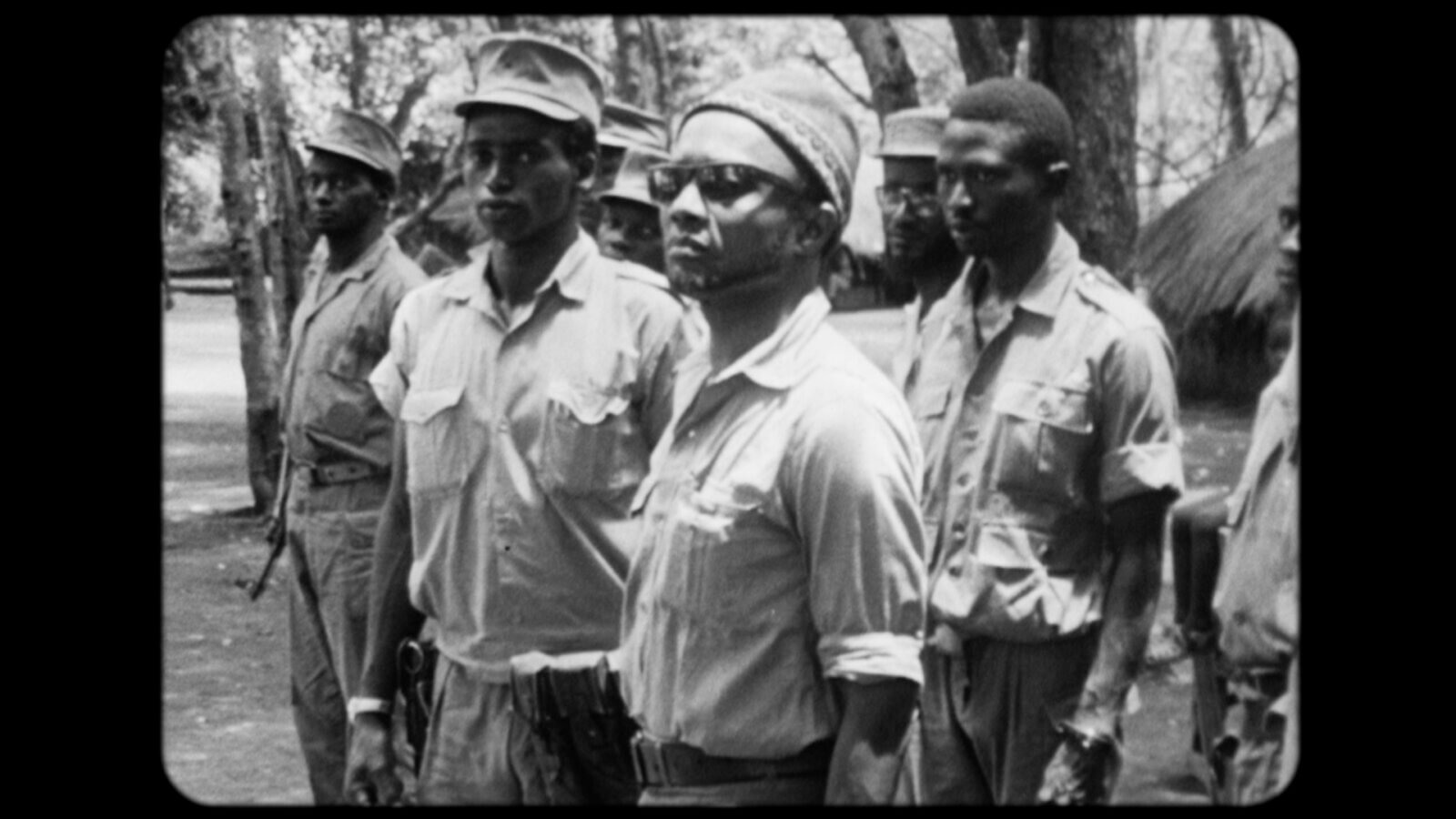
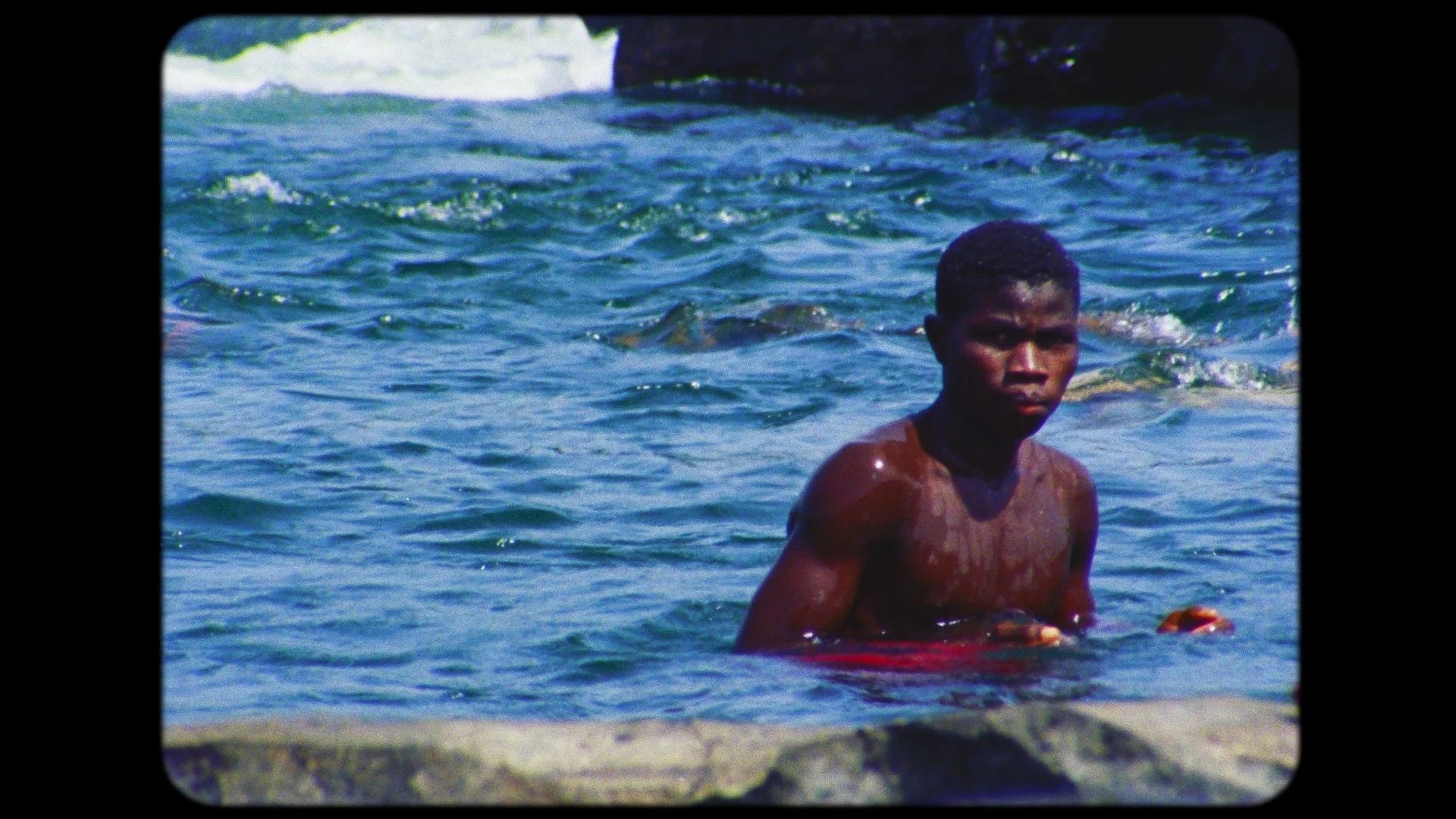
In 2013, during a trip to Cape Verde, I discovered the story of Amílcar Cabral. I was fascinated by the determination that drove Amílcar to devote his life to what seemed like a crazy dream: the union of two countries in the struggle for their independence. Who was this young African agricultural engineer? How did he manage to gain international support for such a small territory and challenge Portugal?
I began pursuing these questions with a small team and started interviewing friends, family members, and colleagues. I discovered that Amílcar Cabral is still a controversial figure, one who sparks opposing opinions in Guinea-Bissau, Cape Verde, Portugal, and the USA.
Over the past five years, Amílcar has continued to call out to me. The documentary has become a romantic project—considered, reconsidered—one to which I’ve dedicated myself with complete creative freedom.
In this biopic, I reclaim Cabral—his life and his thinking—as a way to explore human vulnerability and the need to stay alert. We are living turbulent times, in which intolerance is spreading across the world. Today, Cabral’s life reminds us that the rights to social justice achieved by our civilization are not eternal; they must be reclaimed by every generation, and the greatest danger may well be forgetting.
Direction: Miguel Eek
Script: Alba Lombardía & Miguel Eek
Executive production: Miguel Eek, Marie Dumoulin, Mario Luis Correia
DoP: João Pedro Plácido
Editor: Federico Delpero
Sound Designer: Elsa Ferreira
Production Year: 2025
Production Company: Mosaic Producciones
Co-Produced by: Les Docs du Nord (France), LX Filmes (Portugal)
Associated Producer: Sysifos (Sweden) Korikaxoru (Cabo Verde)
With the support of: Creative Europe. ICAA, ICA, ICIB, IEB, CNC, PROCIREP, IB3, RTP
IDFA 2025 (Amsterdam, Netherlands)
FICX – Gijón International Film Festival 2025 (Gijón, Spain)
MoMA Doc Fortnight 2026 (New York, NY)
Thessaloniki Documentary Film Festival 2026 (Thessaloniki, Greece)
New African Film Festival – AFI 2026 (Silver Spring, MD)
CPH:DOX 2026 (Copenhagen, Denmark)
LUX Film Festival 2026 (Luxembourg)
Istanbul International Film Festival 2026 (Istanbul, Türkiye)
San Francisco International Film Festival 2026 (San Francisco, CA)
Biografilm Festival 2026 (Bologna, Italy)
Beldocs International Documentary Film Festival 2026 (Belgrade, Serbia)
Encounters Film Festival 2026 (Cape Town / Johannesburg, South Africa)
DOK.fest München 2026 (Munich, Germany)
DocsBarcelona 2026 (Barcelona, Spain)
Play-Doc 2026 (Tui, Spain)
Guadalajara International Film Festival 2026 (Guadalajara, Mexico)
DOXA Documentary Film Festival 2026 (Vancouver, Canada)
FIDADOC – Agadir International Documentary Film Festival 2026 (Agadir, Morocco)
Outstanding Artistic Contribution Award 2025 (IDFA)
Best Editing 2025 (Gijón International Film Festival)
2030 Award by Luxembourg Aid & Development 2026 (LUX Film Festival)
Best International Film 2026 (Play-Doc)
Special Mention 2026 (Biografilm Festival)
Best International Documentary 2026 (Encounters Film Festival)
Grand Prix “Nouzha Drissi” 2026 (FIDADOC)
19/12/2026
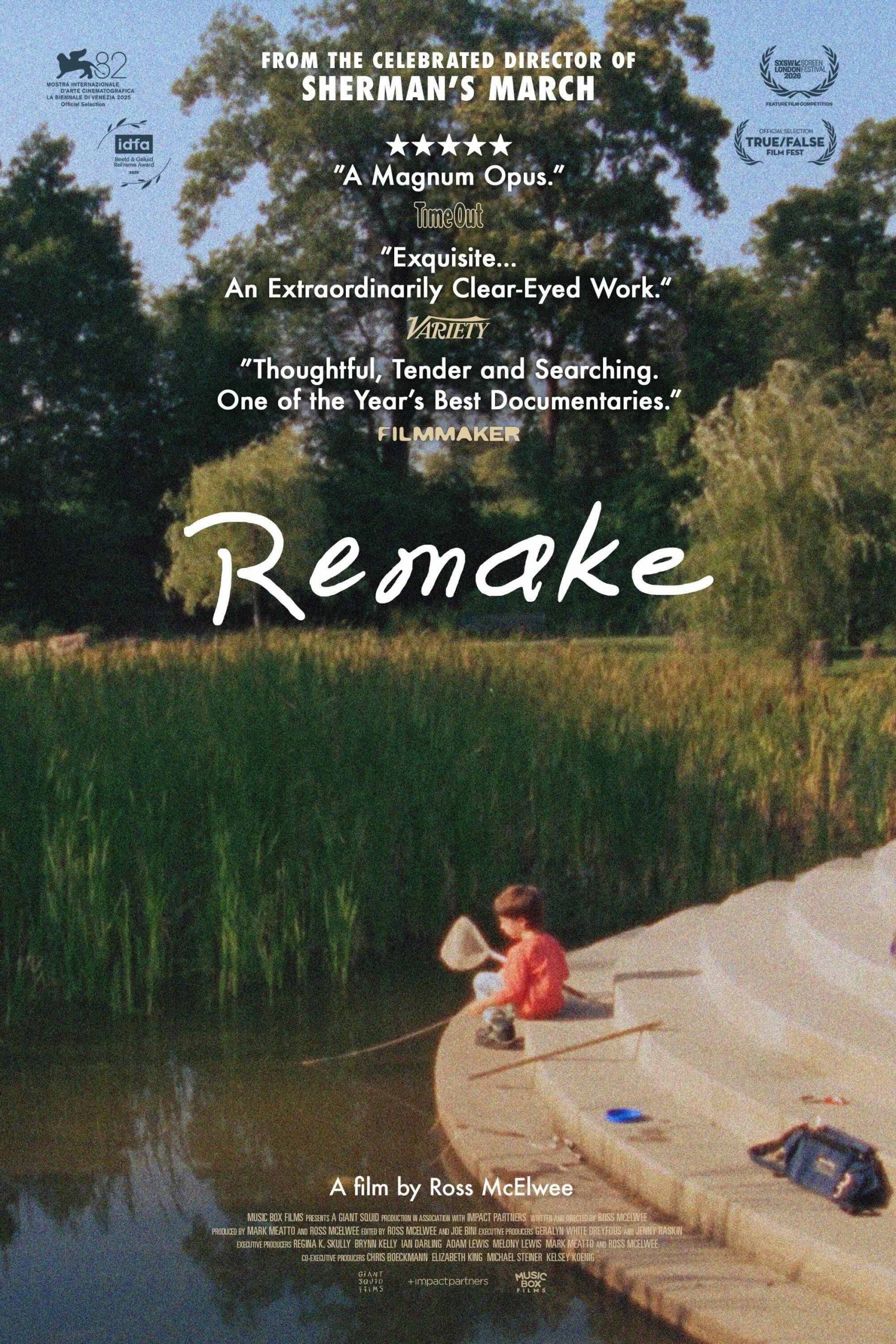
REMAKE
Ross McElwee / 2025 / 116’
In Remake, filmmaker Ross McElwee turns his lens on the passage of time and the uneasy space between documenting life and understanding it. The film traces McElwee’s relationship with his son Adrian, and the fragile bond the camera created between them while Adrian was alive, and now that he’s gone. Drawing from decades of footage, some shot by Ross, some by Adrian, the film becomes a layered excavation of memory and image making. Threaded through is the ghost of another project: a stalled effort by Hollywood to fictionalise McElwee’s 1986 classic, Sherman’s March. What emerges is a work shaped by absence and propelled forward by the urge to keep looking, even when there’s no clear story left to tell.
Screening: 20h, Filmclub Bolzano
In collaboration with: La Seconda Luna
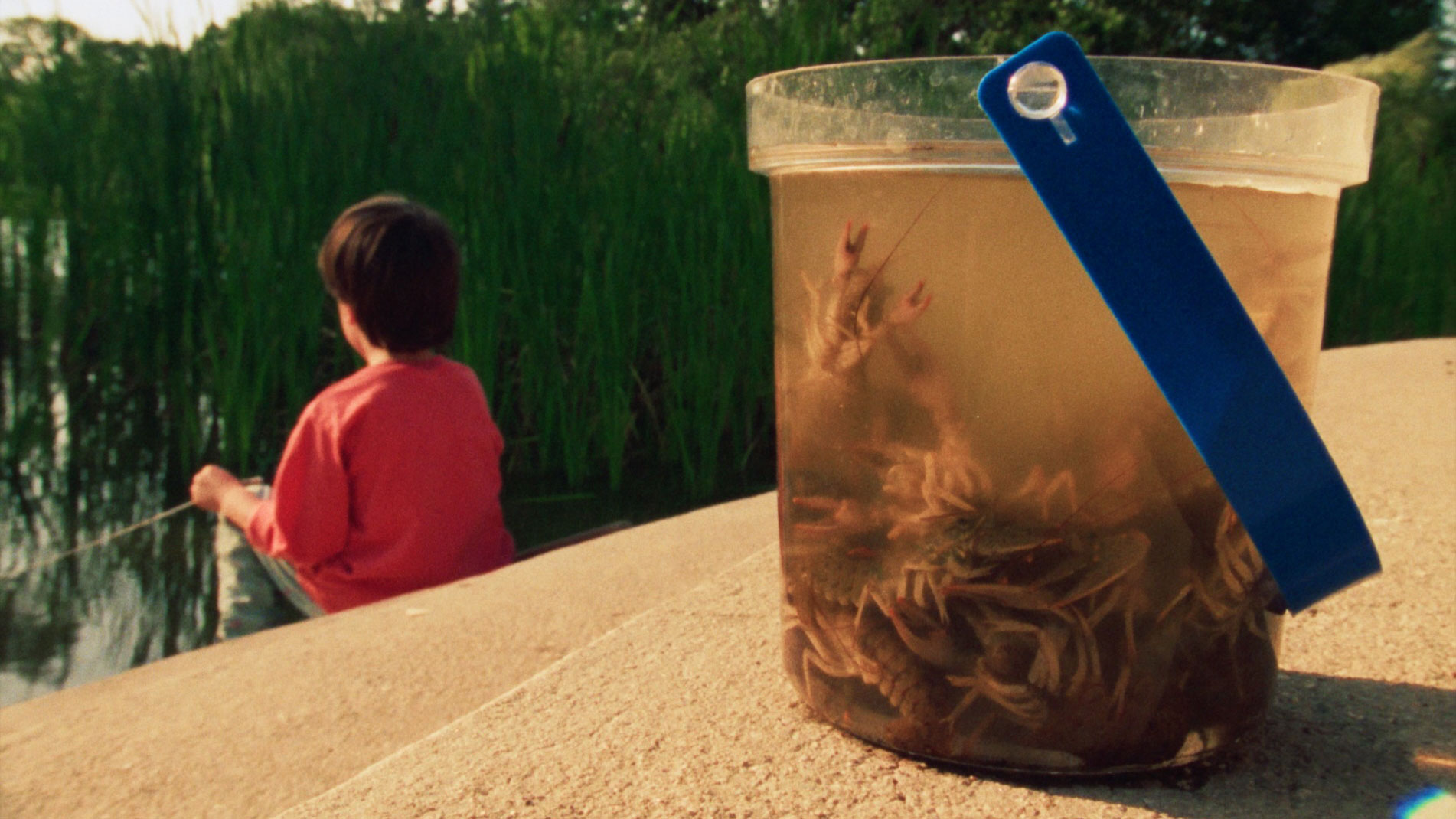
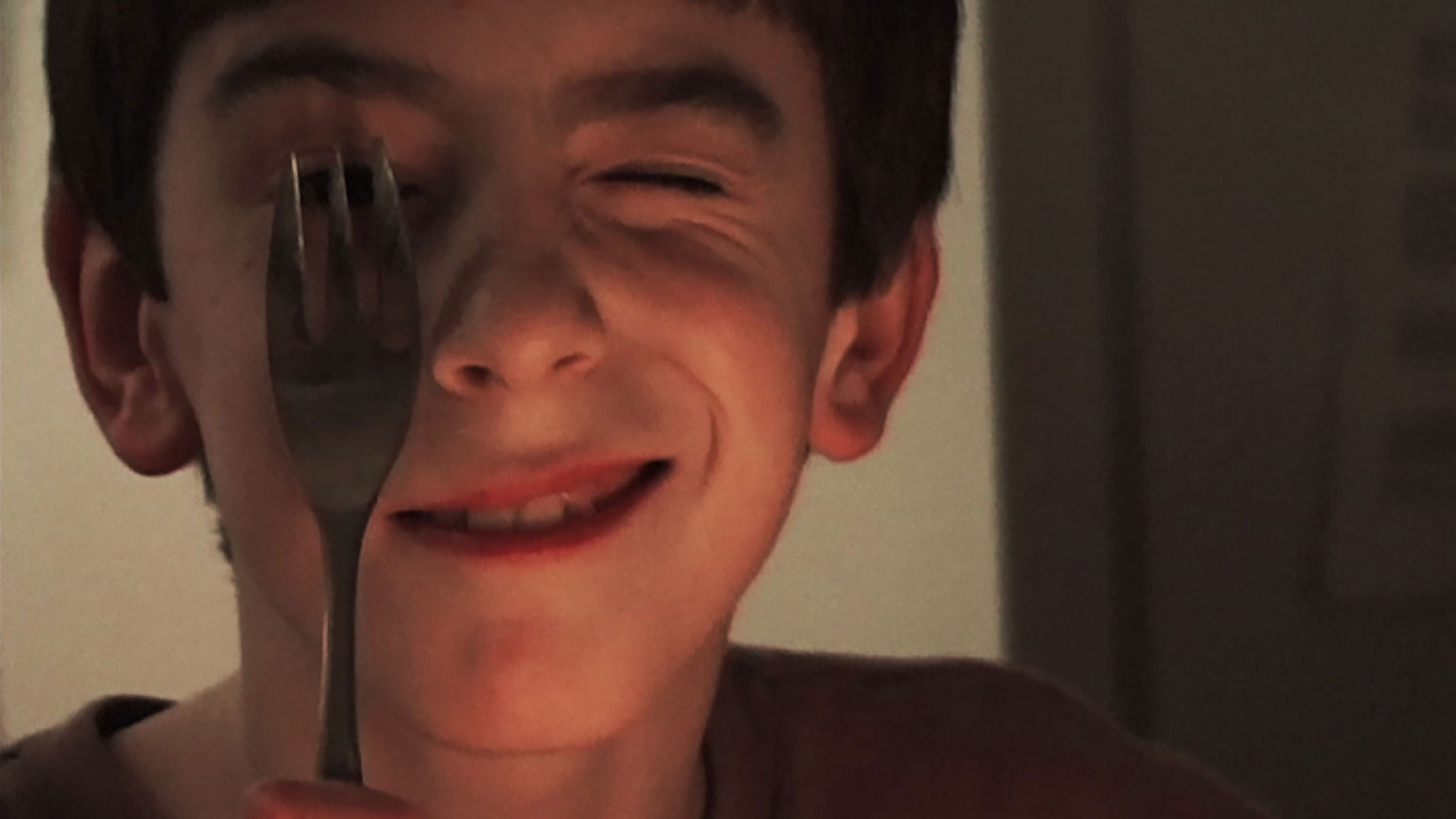
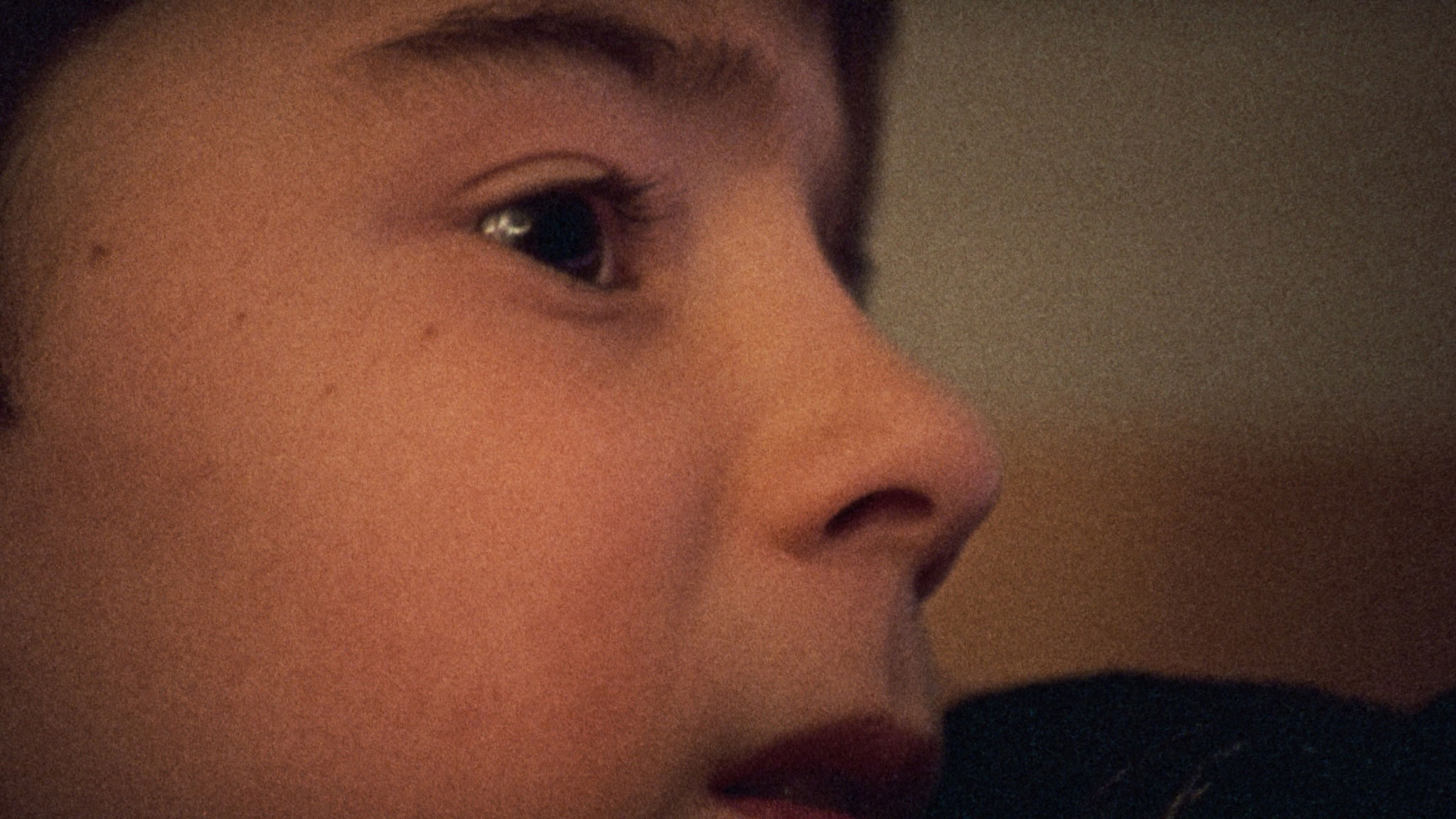
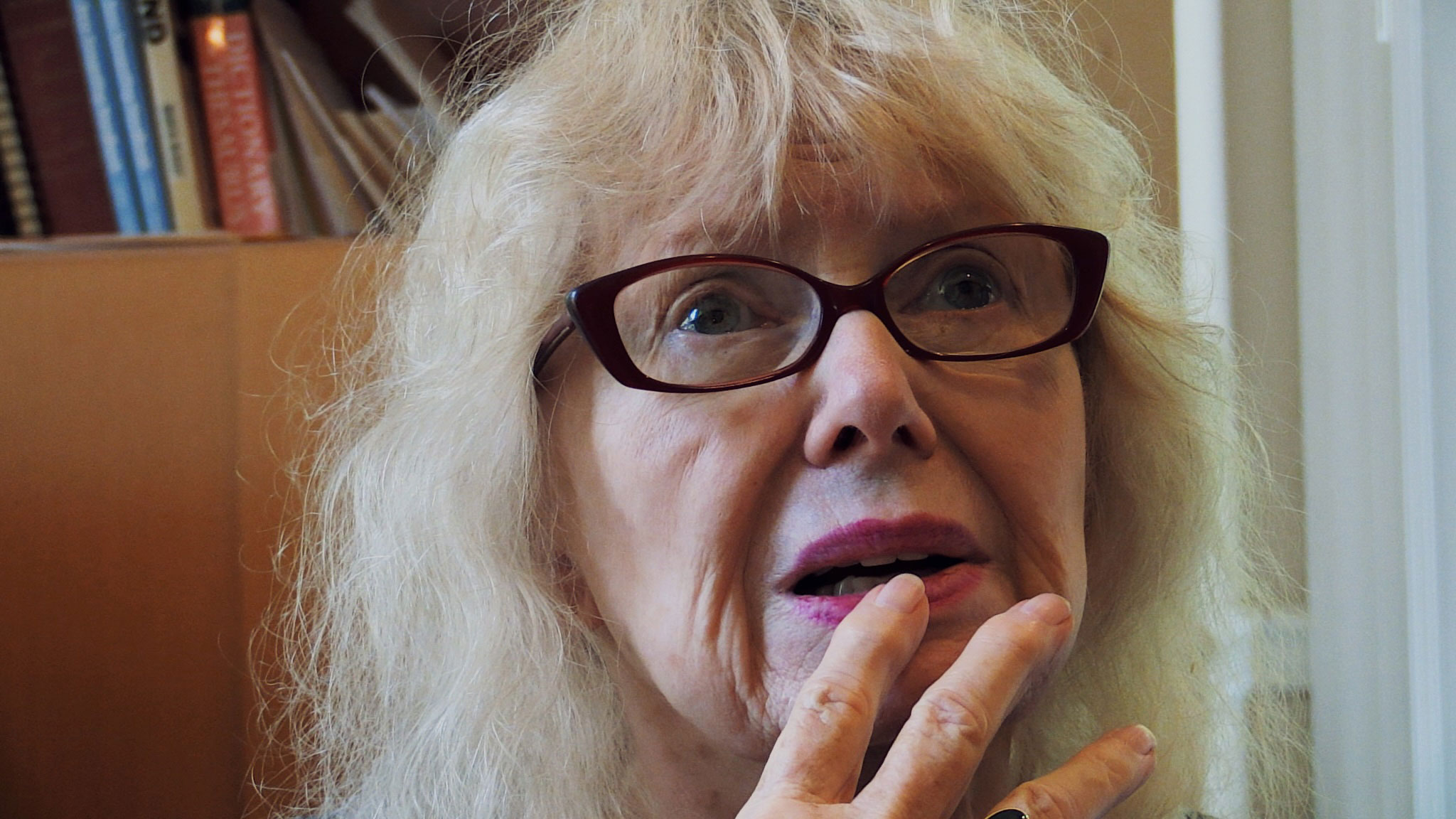
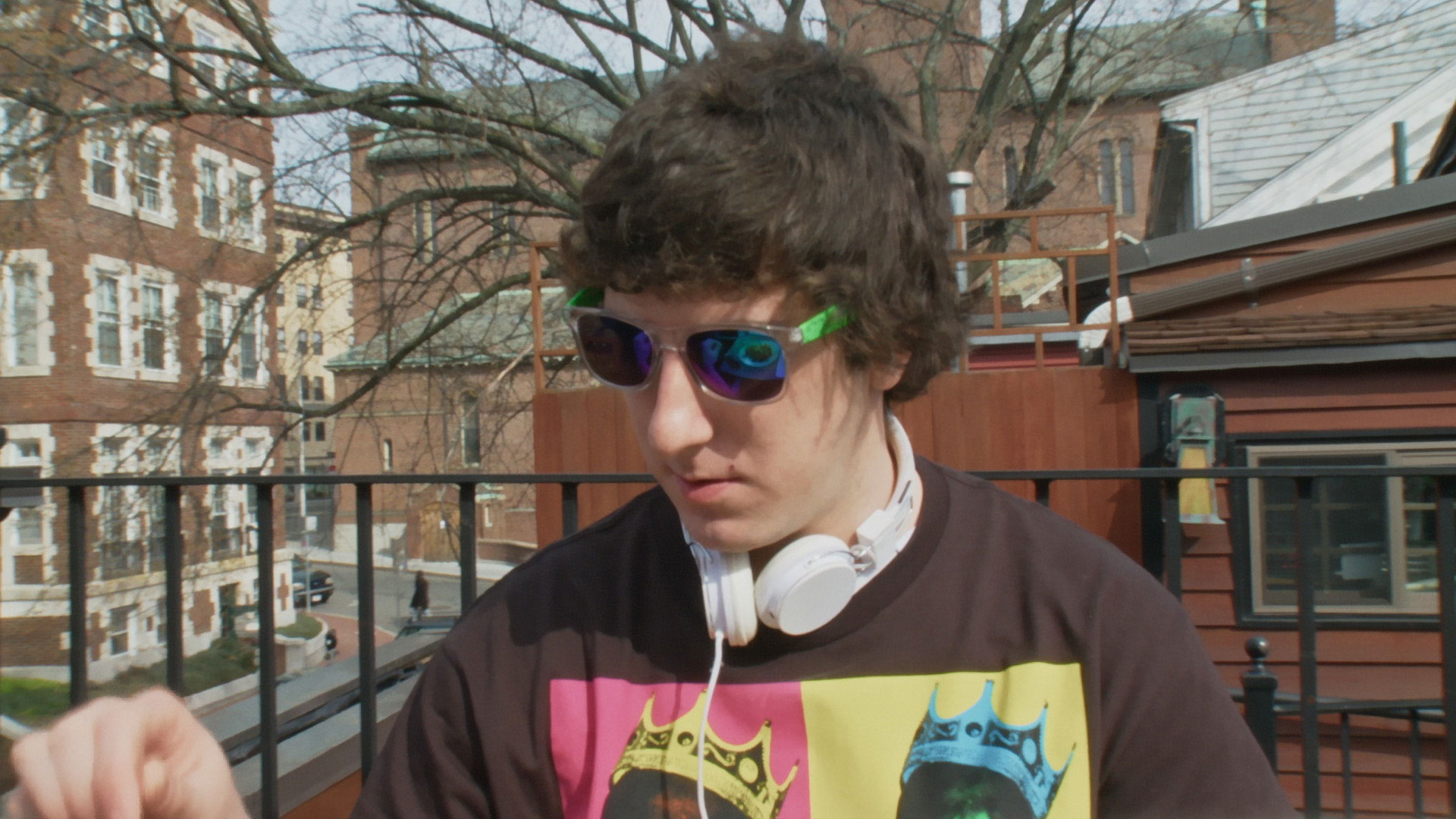
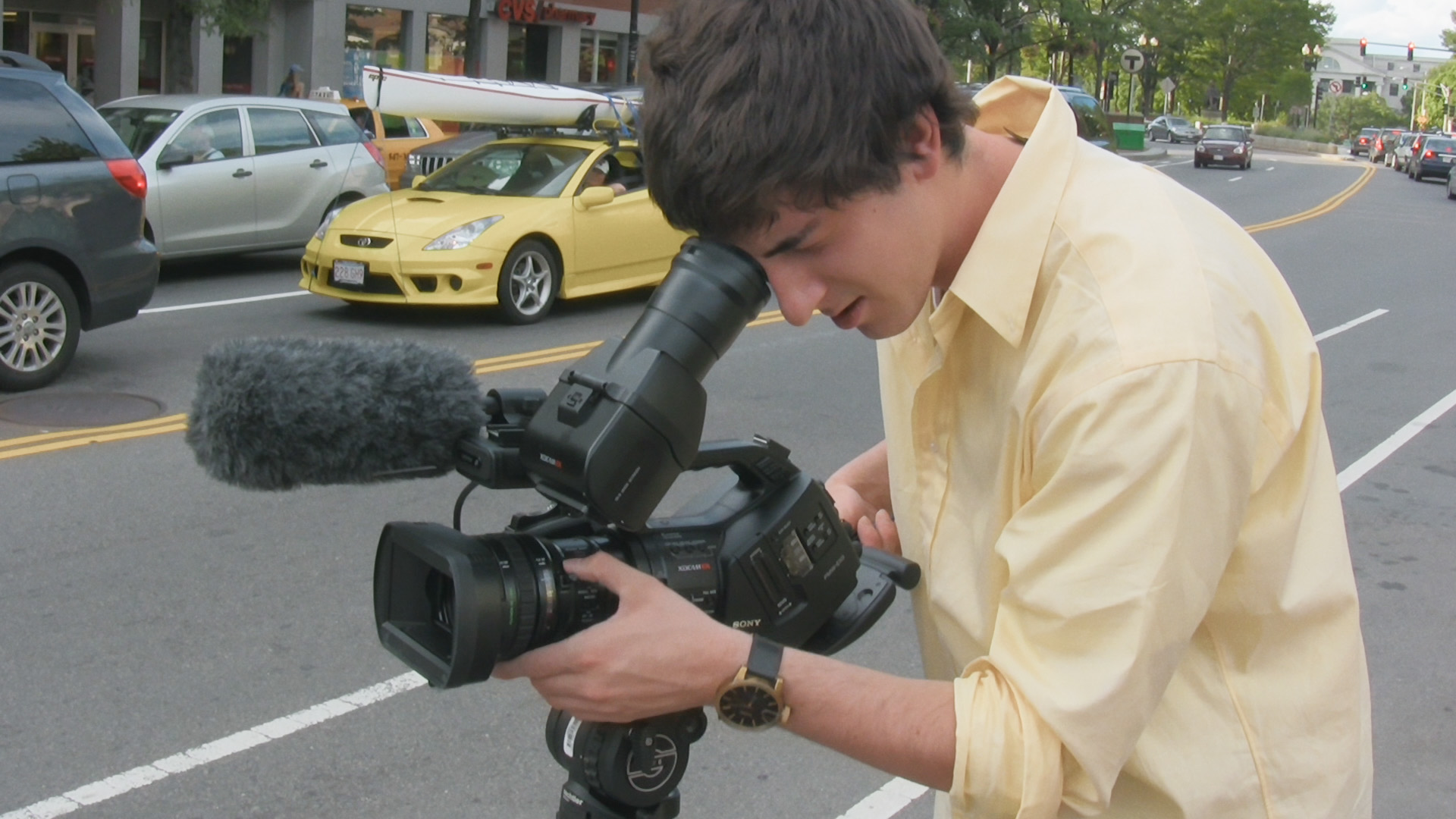
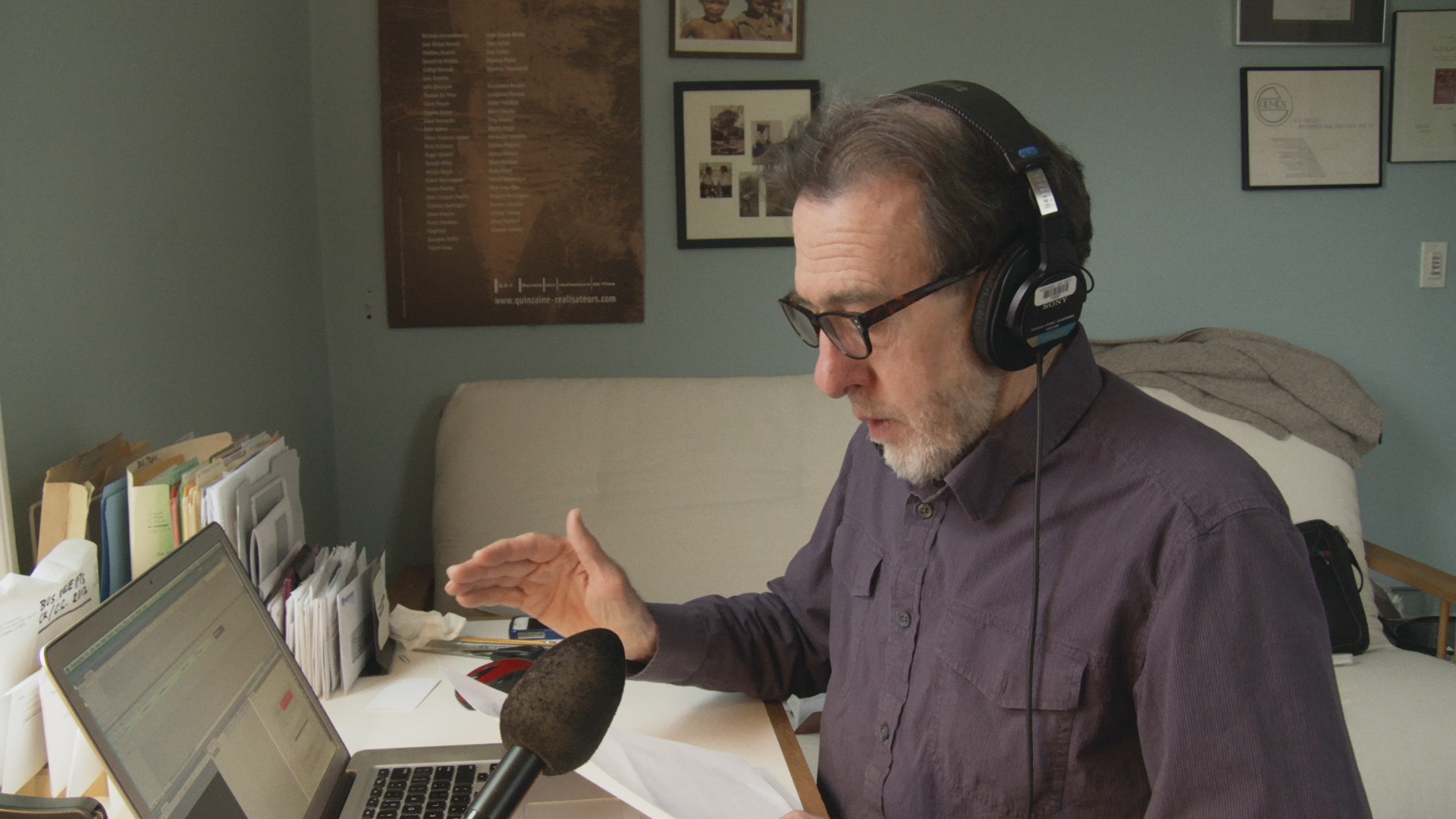
Filmmaker Ross McElwee has spent forty years recording himself and his family, creating documentaries that chronicle the shifting contours of American society through the lens of personal history. His son Adrian grew up inside those films, and eventually began experimenting with the camera himself. When a Hollywood producer acquires the rights to adapt McElwee’s 1986 breakthrough SHERMAN’S MARCH into a work of fiction, twenty-year-old Adrian sees a chance for his father to finally reach a wider audience. As the adaptation stalls, Adrian gets swept into a deepening drug addiction and dies from a fentanyl overdose, leaving behind hours of personal video footage. Retracing Adrian’s final years, McElwee reckons with what his camera captured and what remained hauntingly out of frame. As he reflects on a lifetime behind the camera, Ross’s own effort to remix and remake the movie that Adrian never got to finish takes on new significance. An ever-expanding hall of mirrors built from decades of home movies, REMAKE is both McElwee’s attempt to hold onto his son, and to let him go.
It’s been fourteen years since I completed my last film, Photographic Memory. What animated that film was the sense that I no longer understood my son, Adrian, the way I once thought I did. As a child, Adrian liked being filmed, and I liked filming him. It was a process that linked us. But as the years went by, things changed – for him and for me. When Adrian died, suddenly and unexpectedly, in the winter of 2016, I wasn’t sure I would make another film. Eventually I started going through my home movies again, all these accumulated moments with my son, who was now no longer here. And then I began to look at what he’d filmed too. Remake is both my attempt to hold onto Adrian, and to let him go.
Written and Directed by : Ross McElwee
Produced by : Mark Meatto, Ross McElwee
Filmed by : Ross McElwee, Adrian McElwee
Edited by : Ross McElwee, Joe Bini
Executive Producers : Geralyn White Dreyfous, Jenny Raskin, Regina K. Skully, Brynn Kelly, Ian Darling, Adam & Melony Lewis, Mark Meatto, Ross McElwee
21/01/2027
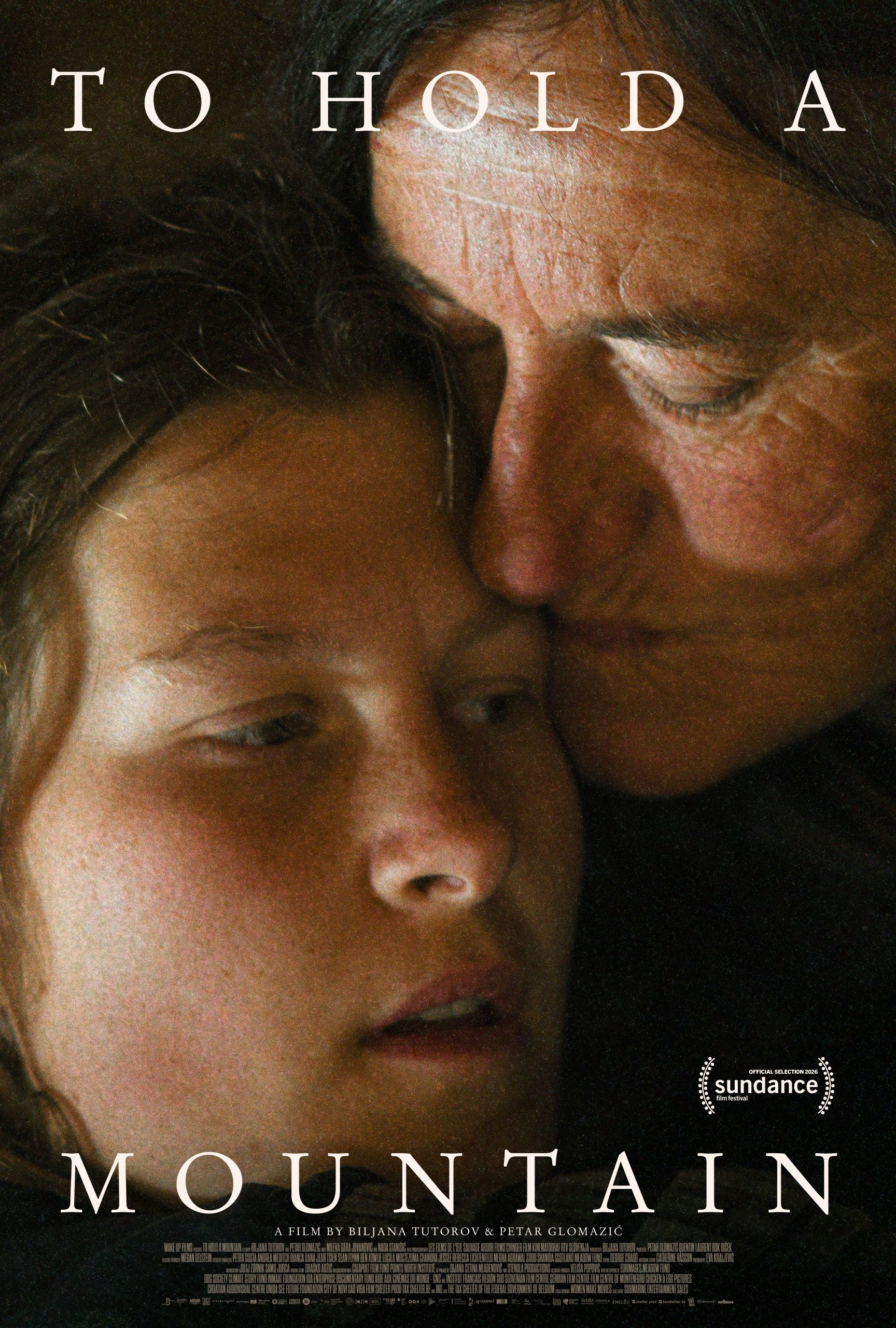
TO HOLD A MOUNTAIN
Biljana Tutorov & Petar Glomazić / 2026 / 105’
In the remote highlands of Montenegro’s Sinjajevina plateau, Gara and her thirteen-year-old daughter Nada return to their ancestral pastures every summer, where they herd animals, gather herbs and live in symbiosis with the mountain they call “Mother.” But their fragile world comes under threat when the Montenegrin government advances plans for a NATO-backed military training ground in the heart of this protected landscape. Gara emerges as an unexpected leader in the fight to defend Sinjajevina but, as Nada grows into young womanhood, the encroaching violence on the land awakens questions about her past, her future and the cycle of harm within her family she hopes to break.
Screening: 20h, Filmclub Bolzano
In collaboration with: Liscià
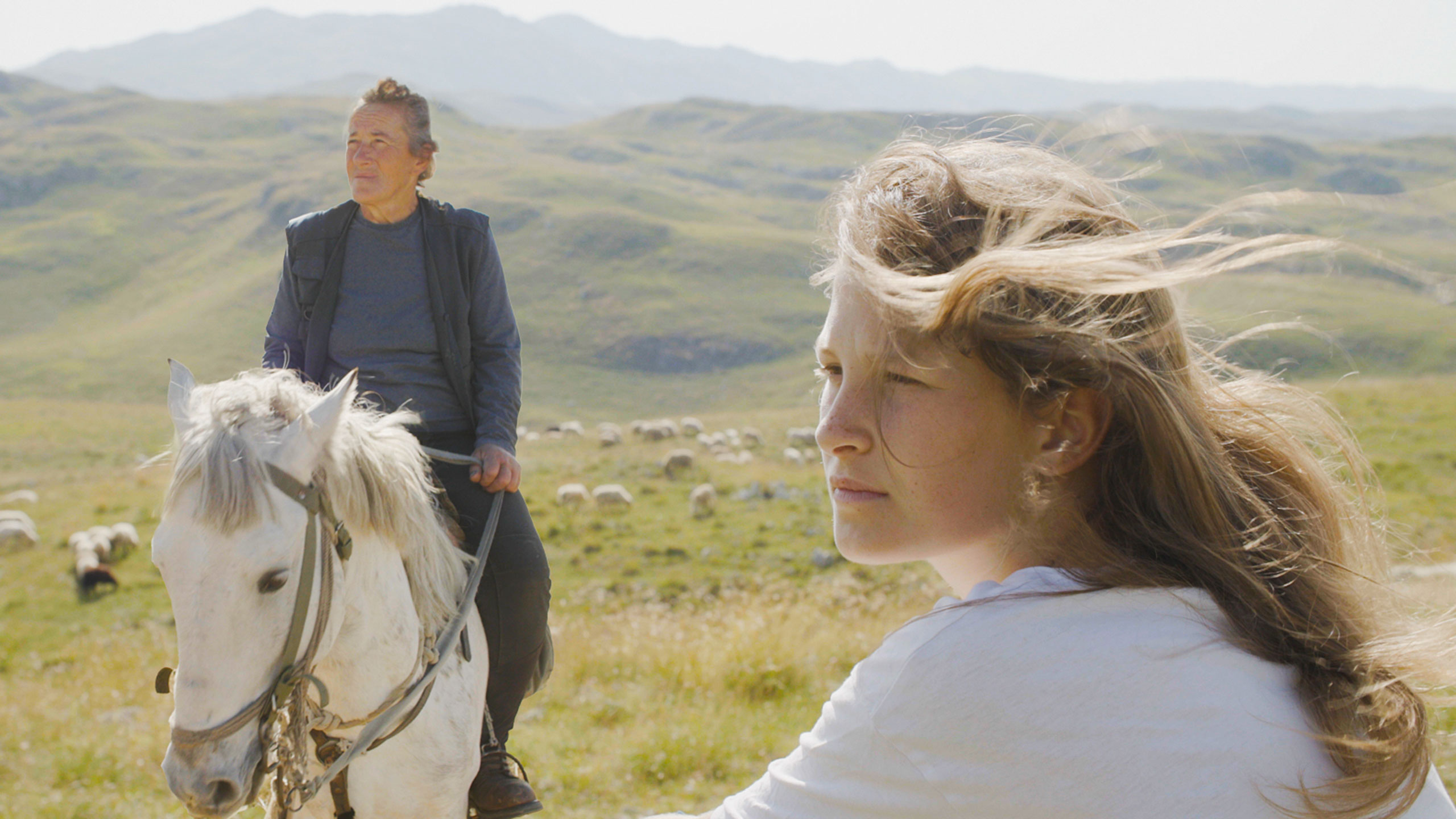
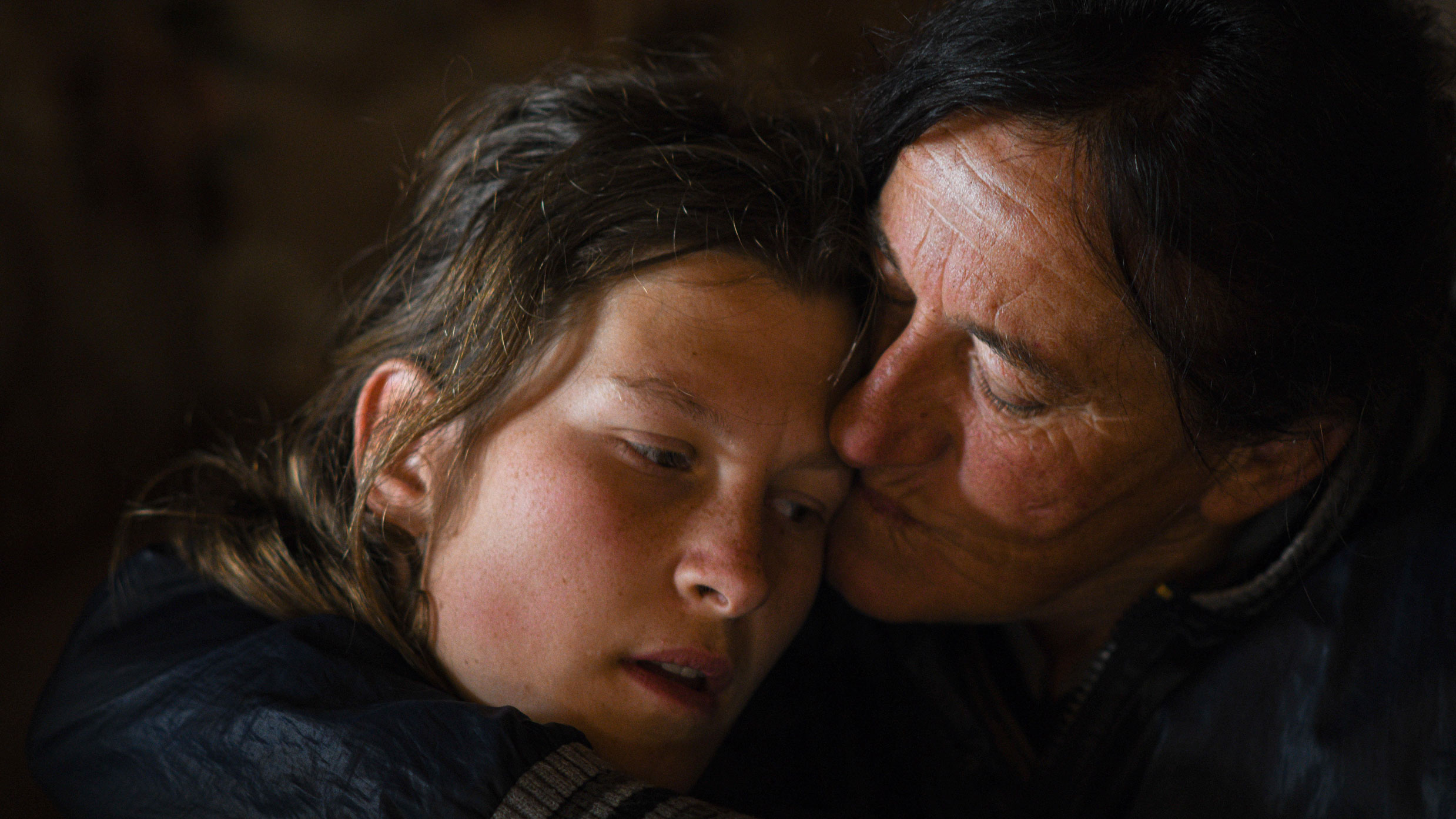
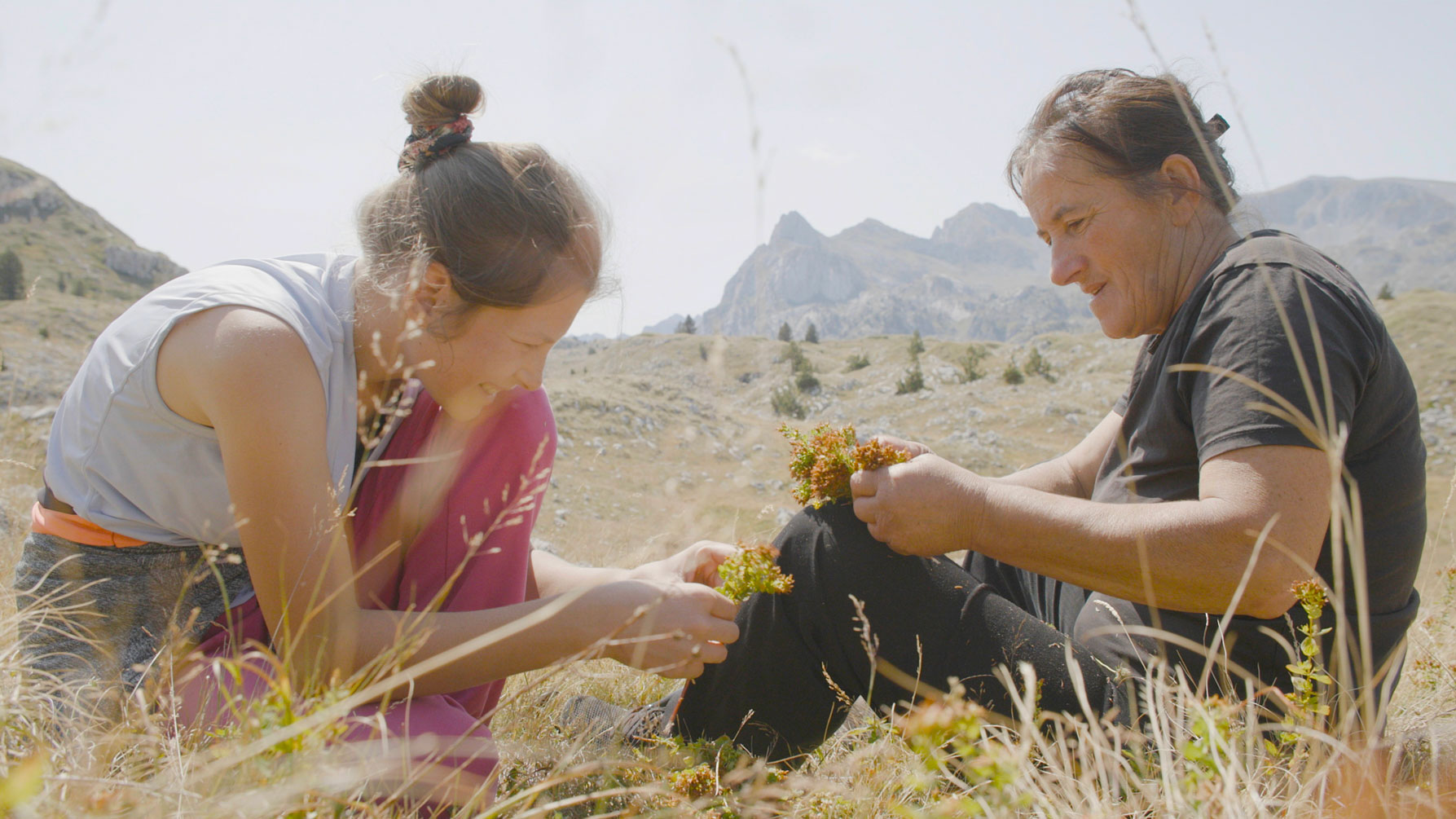
To Hold a Mountain is an intimate, multilayered portrait of a mother and daughter living on Montenegro’s Sinjajevina plateau, one of Europe’s last great pastoral highlands. Each summer, Gara and her 13-year-old daughter Nada return to their ancestral pastures at 2,000 meters, where they herd animals, gather herbs and live in symbiosis with the mountain they call “Mother.” Their days follow the ancient rhythms of transhumance, a tradition handed down through generations of local women. But their fragile world comes under threat when the Montenegrin government advances plans for a NATO-backed military training ground in the heart of this protected landscape. As helicopters descend and the community fractures under pressure, Gara emerges as an unexpected leader — riding her white horse across the highlands to unit neighbors and defend the land that sustains them.
For Nada, the fight for Sinjajevina intertwines with a more private struggle. Gara is not her biological mother but her aunt, who raised her after Nada’s mother was murdered by her father. As Nada grows into young womanhood, the encroaching violence on the land awakens questions about her past, her future and the cycle of harm she hopes to break.
Filmed over seven seasons, To Hold a Mountain weaves an environmental drama with a deeply human story of care, resilience and the quiet resistance of women in a patriarchal society. The film reveals how the threads of motherhood, land stewardship and survival are bound together — and how the fight to protect a mountain can become a fight to heal a family.
Directors' Statement
It was 2017 when we first discovered this place — a plateau at 2,000 meters above sea level, the second-largest pastureland in Europe — whose mysterious name can be interpreted as “Shining Heights” or “Mountain Ocean.” We met Gara and Nada at the very moment news arrived that this precious mountain, whose snows provide water for the entire region, was to be turned into a military shooting range. From our first encounter, it was clear that there was something more to them — that they were part of a larger story, reminiscent of epics from ancient times but rooted in a painful present. Their destiny carried the echo of Greek tragedy, and we felt compelled to share their lives and understand their paths. For more than seven years, we quietly explored, lived together and gathered elements that carry the power of this place and its people. We did not ask — we listened, until the story revealed itself. Gara and Nada represent mothers and daughters across centuries who, despite everything, have nurtured a culture of love. The film also reflects our contemplation of the deep connections between women and land, patriarchy and militarization, duty and love.
— Biljana Tutorov and Petar Glomazić
Writers and Directors: Biljana Tutorov, Petar Glomazić
Director of Photography: Eva Kraljević
Editor: George Cragg
Additional Editor: Catherine Rascon
Original Score: Draško Adzić
Sound Design: Julij Zvornik, Samo Jurca
Produced by: Biljana Tutorov
Producers: Petar Glomazić, Quentin Laurent, Rok Biček
Co-Producer: Dijana Cetina Mlađenović
Executive Producer: Megan Gelstein
Executive Producers: Andrea Meditch, Bianca Oana, Jean Tsien, Petra Costa
Wake Up Films in Coproduction with Les Films de l’œil sauvage, Ardor Films and Cvinger Film
Sundance Film Festival 2026 (Park City, UT)
Millennium Docs Against Gravity 2026 (Warsaw, Poland)
Sarajevo Film Festival 2026 (Sarajevo, Bosnia and Herzegovina)
Minneapolis–Saint Paul International Film Festival 2026 (Minneapolis, MN)
RiverRun International Film Festival 2026 (Winston-Salem, NC)
Visions du Réel 2026 (Nyon, Switzerland)
DOK.fest München 2026 (Munich, Germany)
BFI London Film Festival 2026 (London, United Kingdom)
Melbourne International Film Festival 2026 (Melbourne, Australia)
CPH:DOX 2026 (Copenhagen, Denmark)
True/False Film Fest 2026 (Columbia, MO)
Cinéma du Réel 2026 (Paris, France)
Underhill Fest 2026 (Montenegro)
Grand Jury Prize for World Cinema Documentary 2026 (Sundance Film Festival)
Grand Prix 2026 (Millennium Docs Against Gravity)
Heart of Sarajevo Award for Best Documentary Film 2026 (Sarajevo Film Festival)
Best Documentary 2026 (Minneapolis–Saint Paul International Film Festival)
Best Director for a Documentary Feature 2026 (RiverRun International Film Festival)
18/02/2027
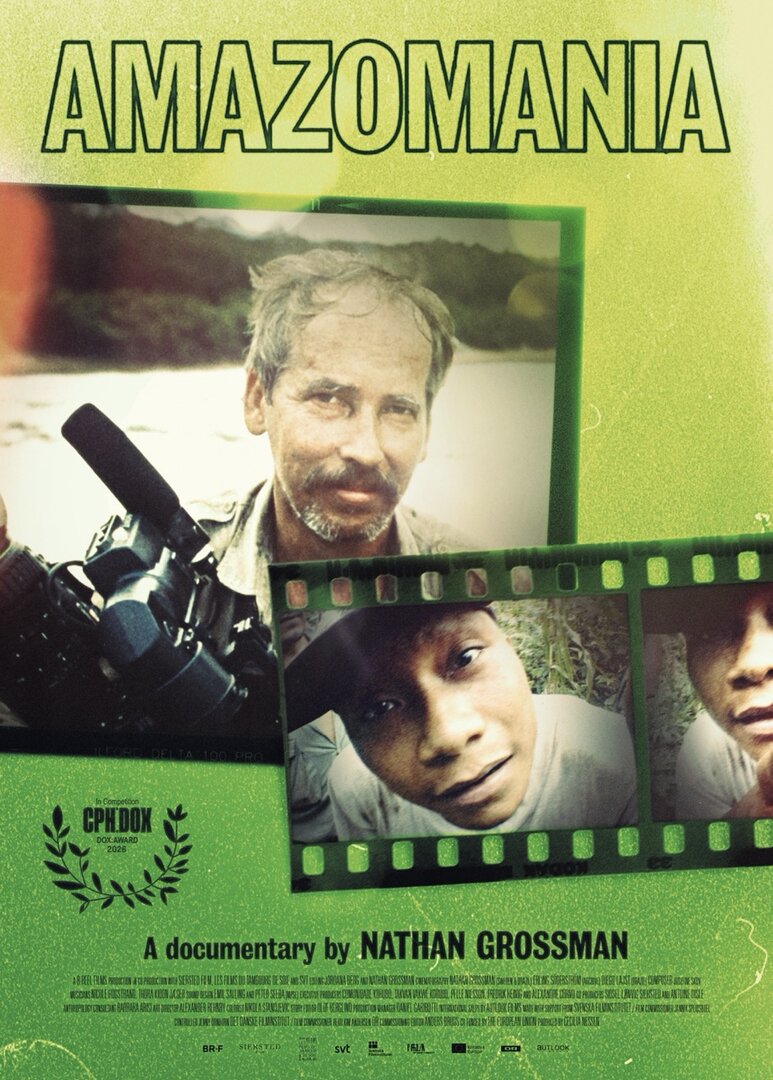
AMAZOMANIA
Nathan Grossman / 2026 / 95’
In 1996, a Brazilian official and a Swedish journalist ventured into the Amazon to document the isolated Korubo tribe caught in escalating land conflicts. Initially hailed as a heroic breakthrough, the footage now demands to be reexamined. Uncovering the hidden costs of “discovery,” the film confronts the colonial legacy and exposes the long-term repercussions for the Korubo.
Screening: 20h, Filmclub Bolzano
In collaboration with: Collettivo Antropologia Alto Adige
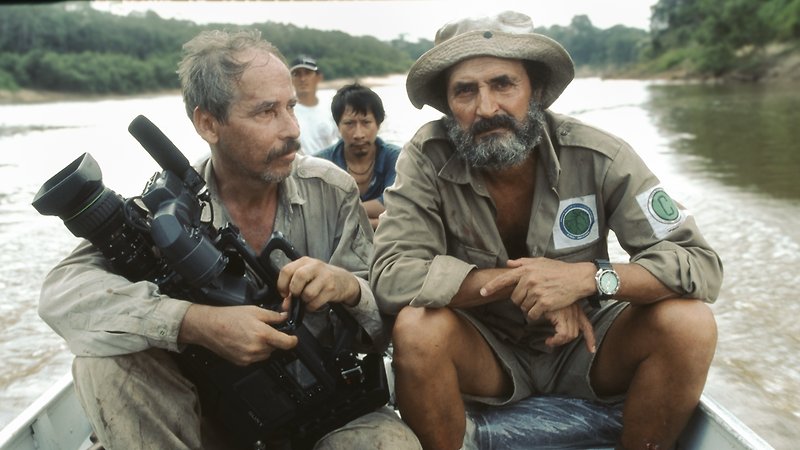
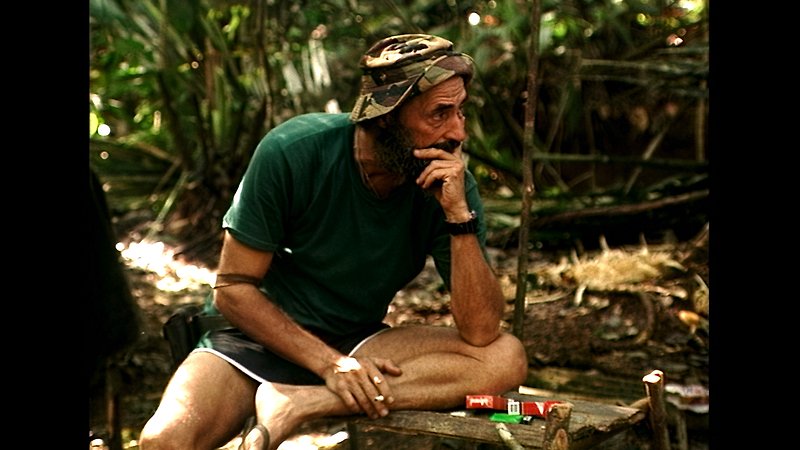
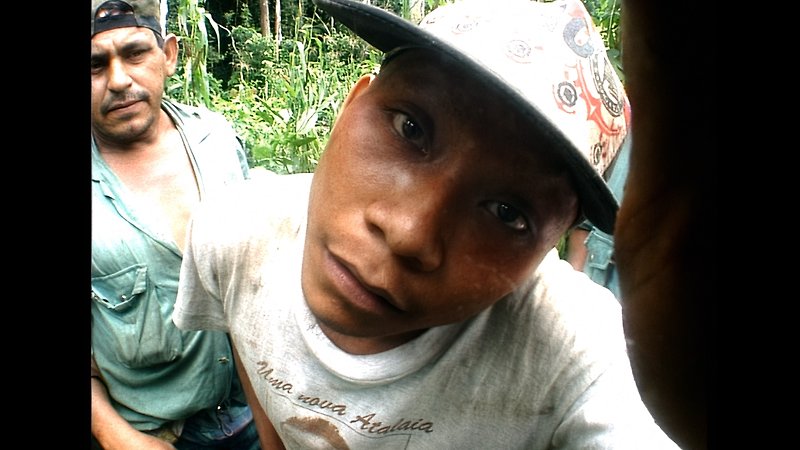
In the autumn of 1996, a group of journalists accompanied one of the most sensitive expeditions in modern Brazilian history. The government had decided to initiate contact with a fraction of the Korubo group after a long history of deadly encounters between the Indigenous community and intruders in the Javari region. One of the embedded journalists is a countryman of mine, Swedish filmmaker, Erling Söderström. He will document the entire expedition and the first contact in great detail.
Thirty years after the contact, I am given the opportunity to view the raw footage filmed by Erling, as well as documentaries he did with the material. Watching the rushes it is clear to me that the material is more extensive than what I saw in his portrayals of the events. My view leaves me with questions about the ramifications of the expedition. Why was a Swedish filmmaker present in this tense moment, and what consequences did it have for the Korubo people to, on the first day of their contact, be filmed and photographed?
With Amazomania, I allow the viewer to share Erling’s gaze upon the Korubo — and the Korubo’s gaze back at him thirty years later. The film is an uncommented journey through the times, with stops at 1996, 2003 and 2023. It is my examination of the complex relationship between the Swede, the media, and the Korubo, from the well documented October day in 1996 when the Korubo exited their isolation, until today. Who owns the right to a story of contact? What does the power of holding the camera entail? Where is it aimed? And how does it feel to be in its sight? In 1996, the Korubo people thought “the camera was a gun.” Amazomania investigates what scars remain, and gives the next generation of Korubo a window toward restitution in relation to the person that today owns the intellectual property rights to their history.
Director: Nathan Grossman
Producer: Cecilia Nessen
Executive Producers: Comunidade Korubo, Takvan Vakwë, Pelle Nilsson (“Midsommar”), Fredrik Heinig, Alexandre Cornu
Production Company: B-Reel Films
Co-Production Company: Les films du Tambour de Soie, Siersted Films>
Cinematography: Nathan Grossman, Erling Söderström, Diego Lajst
Music: Josefin Skov
Editors: Jordana Berg, Nathan Grossman
CPH:DOX 2026
Docs Against Gravity 2026
DocsBarcelona 2026
DC/DOX 2026
Dokufest 2026
New Zealand IFF 2026
FIPRESCI Award, CPH:DOX 2026
Docs Award for Best Film, DocsBarcelona 2026
18/03/2027
LONDON
Sebastian Brameshuber / 2026 / 120’
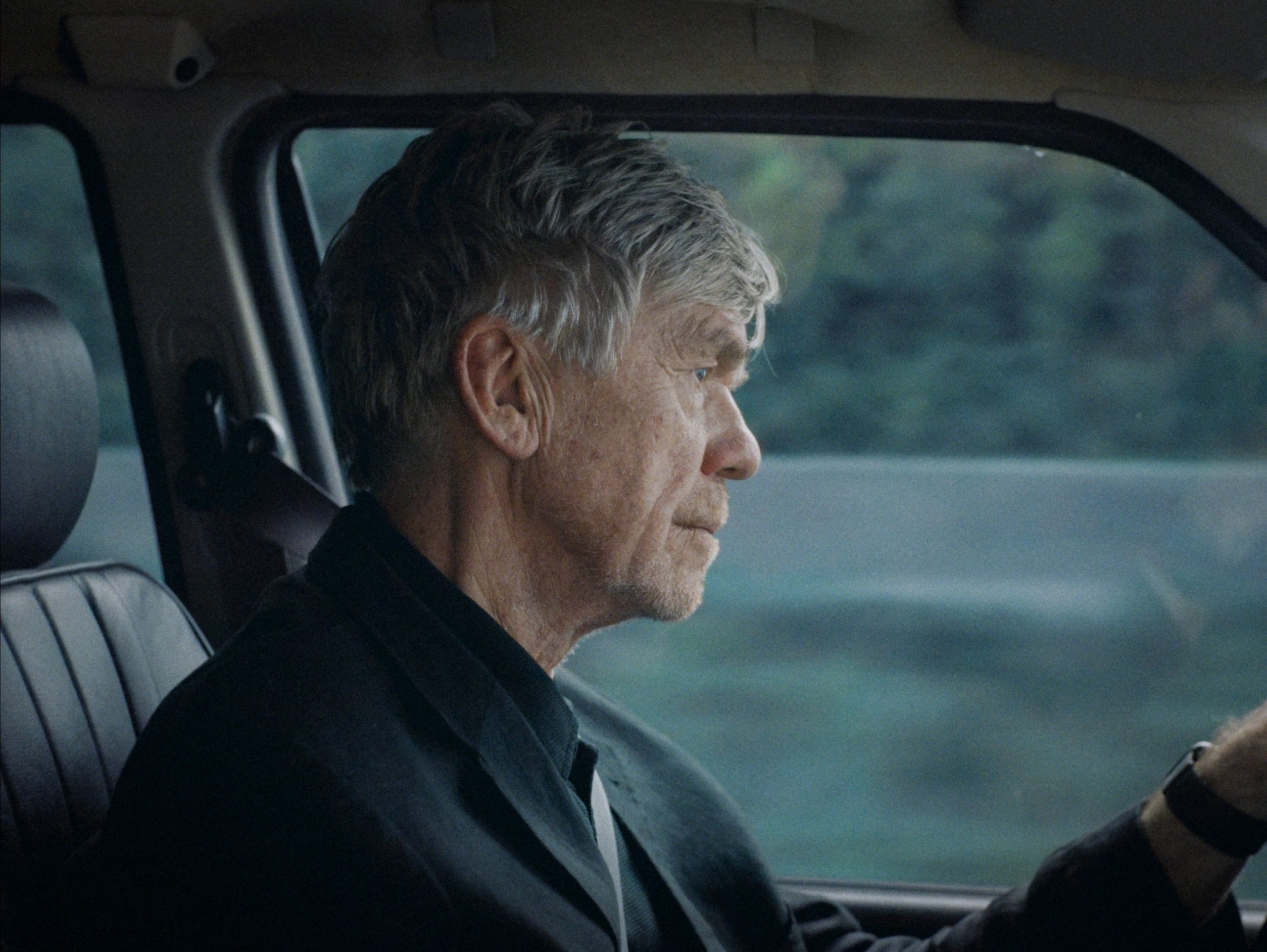
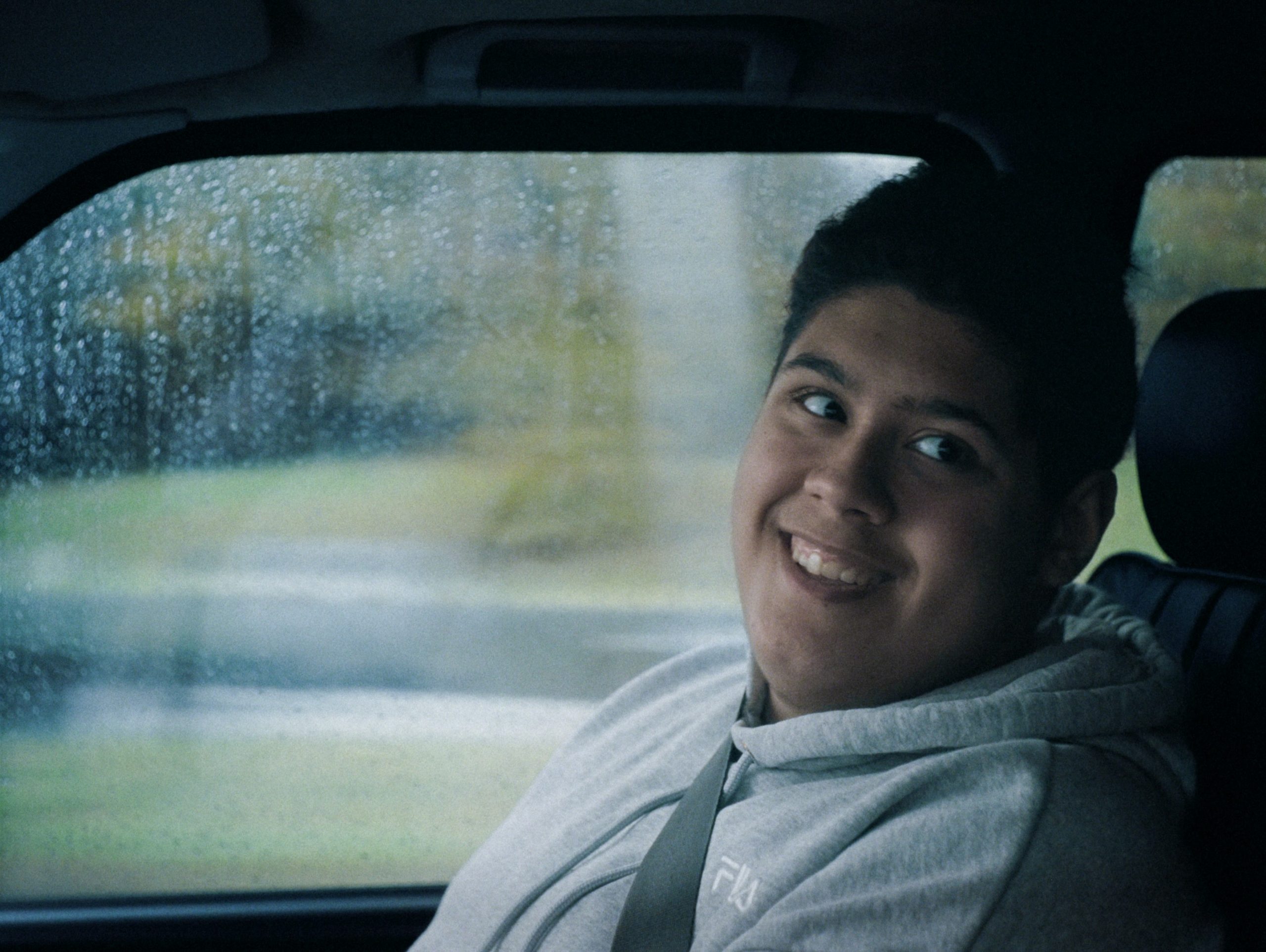
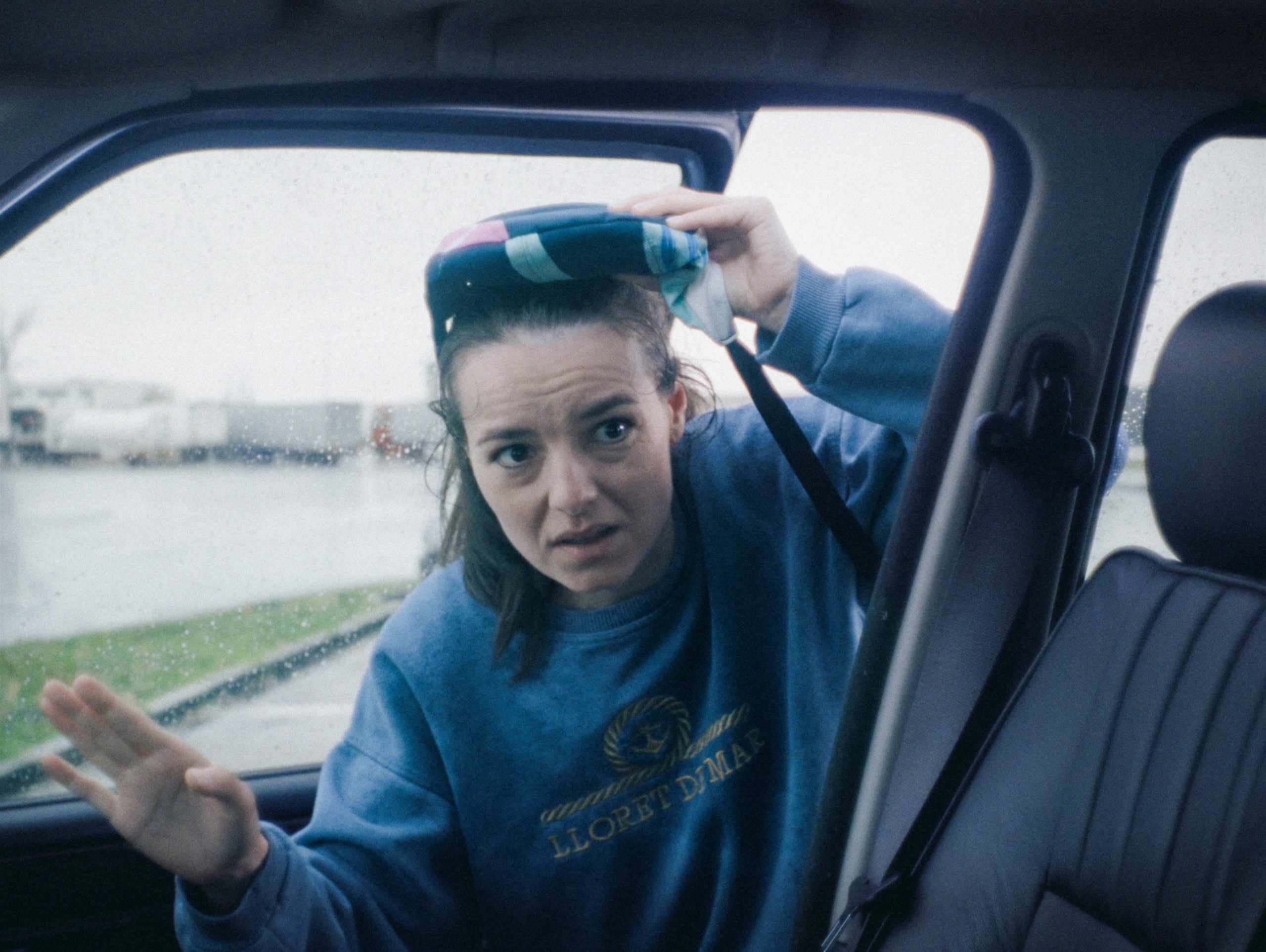
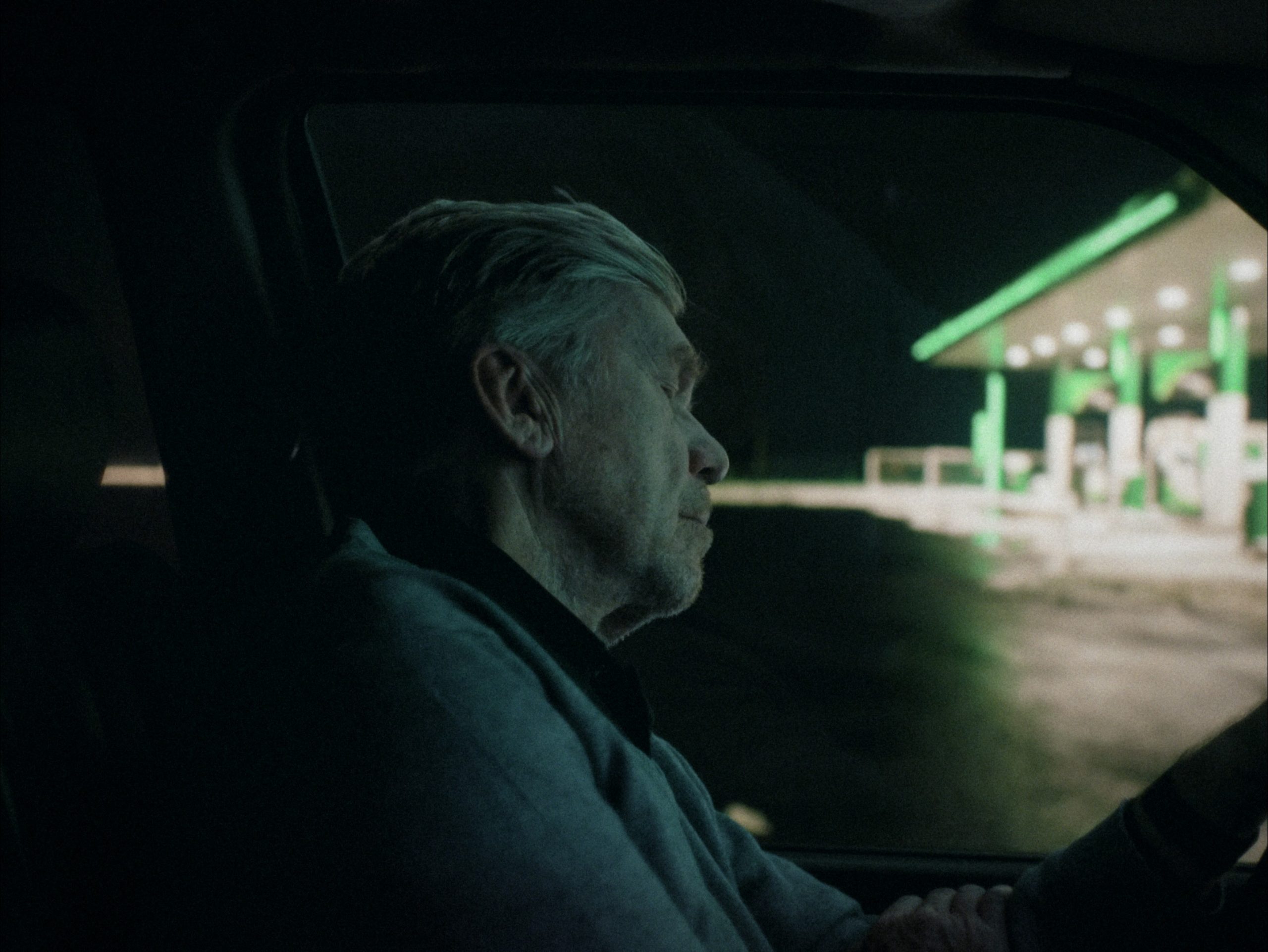
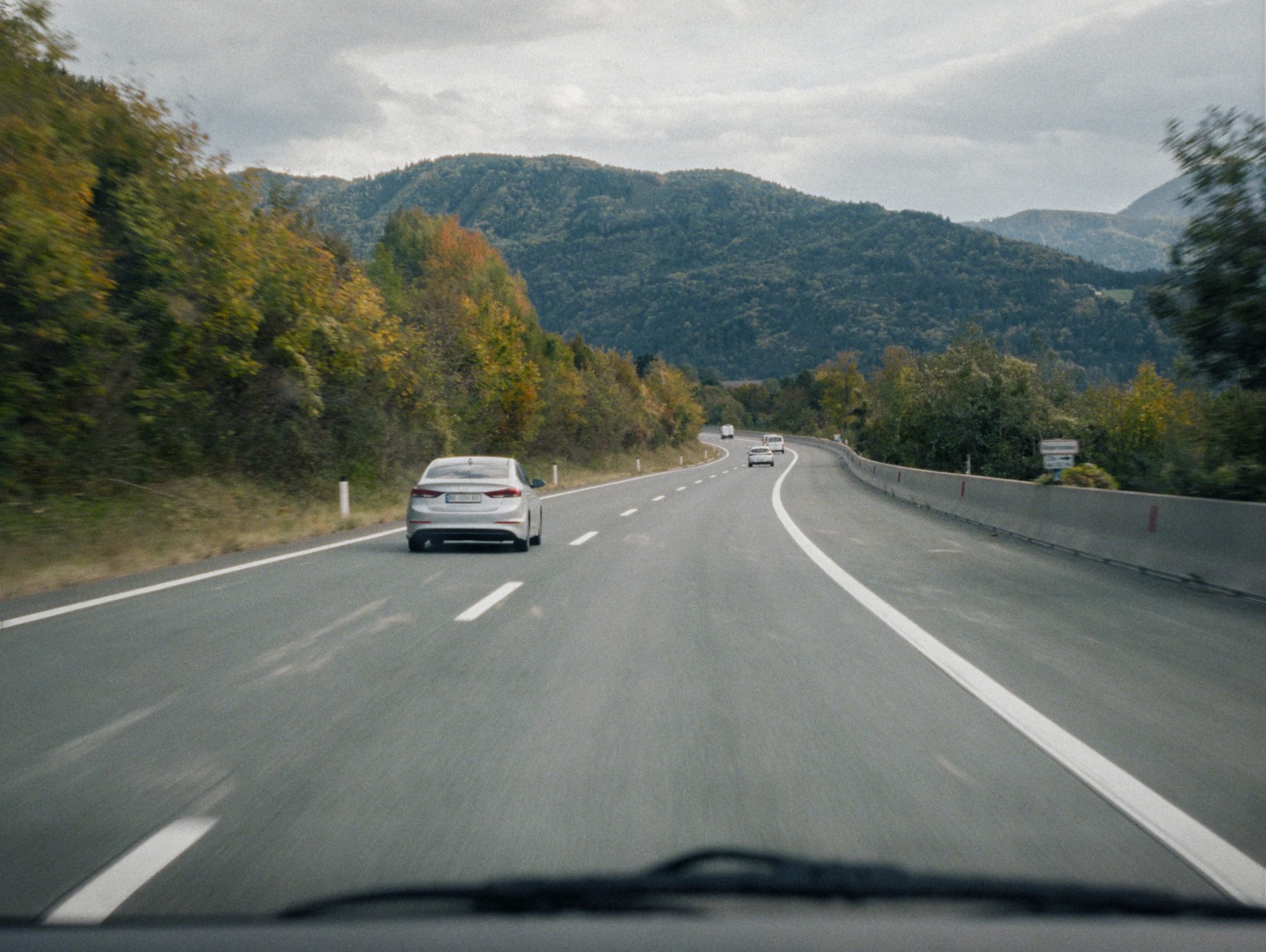
Bobby is always in his car, driving back and forth on the highway that links Vienna and Salzburg. Other people travel that same route, he picks them up to save money on petrol and talks to them along the way: the soldier questioning what it means to fight, the supermarket trainee heading to see family, the academic looking at the history of the highway, the queer woman about to get married; different paths, different accents, different stories, most of them true. Bobby listens, but also speaks about himself, about his youth, about aging, about his friend in a coma in Salzburg who’s the reason for all these trips. Mountains and forests rush by outside, broken up by junctions, barriers and bridges, the quality of light shifts along with the seasons. Neither a documentary, nor entirely fiction, London is a quietly political portrait of today’s Europe via its in-between spaces and those passing through them. Even in these strange times, anonymity and kindness can still go hand in hand.
Screening: 20h, Filmclub Bolzano
In collaboration with: BFFB – Bolzano Film Festival Bozen
Director’s note
Shot in a studio, London stages encounters between strangers during a series of ride-sharing trips. The minimalist setup, akin to a chamber play, allowed for a process-oriented approach involving the actors and the story. I wanted to capture a sense of raw presence while using cinema to elevate it to another plane, creating a film that oscillates between the real and what lies beyond it.
London takes place on the Westautobahn, also known as the A1, a seemingly functional motorway connecting Vienna and Salzburg before ending at the German border. People from across Europe travel along it for a variety of personal reasons, often unaware of the deep vein of history running through it—for this road follows a line first drawn almost 90 years ago, at a time of great unrest.
The A1 twists and turns like a river, its banks accumulating stories and history like sediment: past and present, private and political, trivial and profound. Despite being strangers, the time Bobby and his much younger passengers share in a confined space draws them closer. At times, they become a mirror, reflecting the lives he could have lived back at him. Their conversations seem to skim the surface, only to plunge into deeper waters, as the immediacy of their everyday lives intertwines with history at every bend in the river. When Arthur waves to Bobby from across the shore, he waves back, remembering their time in a city beyond the mainland – one that cannot be reached by road.
Direction: Miguel Eek
Script: Alba Lombardía & Miguel Eek
Executive production: Miguel Eek, Marie Dumoulin, Mario Luis Correia
DoP: João Pedro Plácido
Editor: Federico Delpero
Sound Designer: Elsa Ferreira
Production Year: 2025
Production Company: Mosaic Producciones
Co-Produced by: Les Docs du Nord (France), LX Filmes (Portugal)
Associated Producer: Sysifos (Sweden) Korikaxoru (Cabo Verde)
With the support of: Creative Europe. ICAA, ICA, ICIB, IEB, CNC, PROCIREP, IB3, RTP
World Premiere: Berlinale 2026 – Panorama
Cinéma du Réel 2026 – International Competition
Jeonju International Film Festival 2026
Thessaloniki International Documentary Filmfestival 2026
Sofia IFF 2026
Cinéma du Réel 2026 – International Competition
Grand Prix & Prix des Bibliothèques
-
Film Association of South Tyrol (APS/VFG)
-
Codice Fiscale / Steuernr.: 94090070213
-
Via Gorizia 6 / Görzerstr. 6, I-39100 Bolzano/Bozen