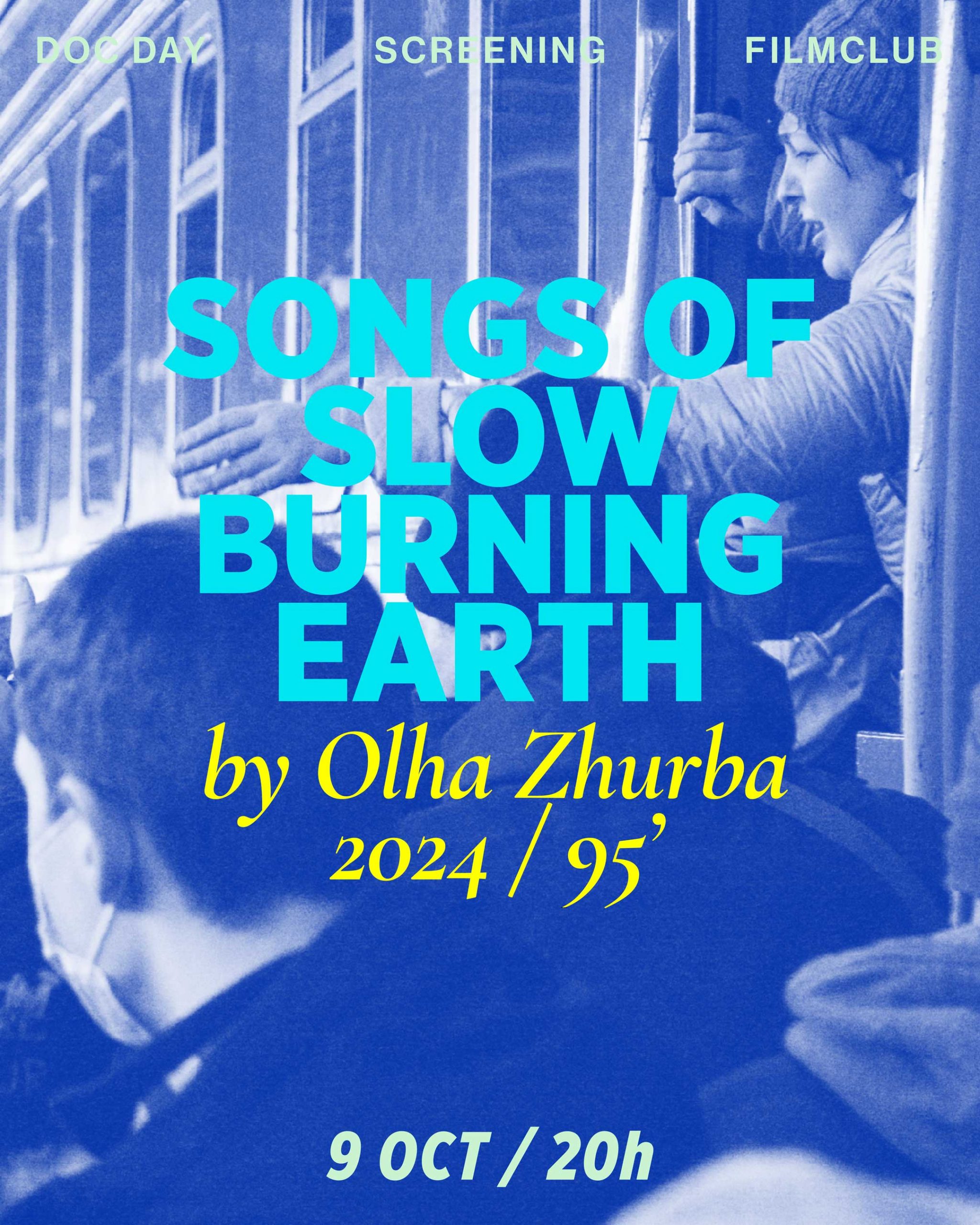
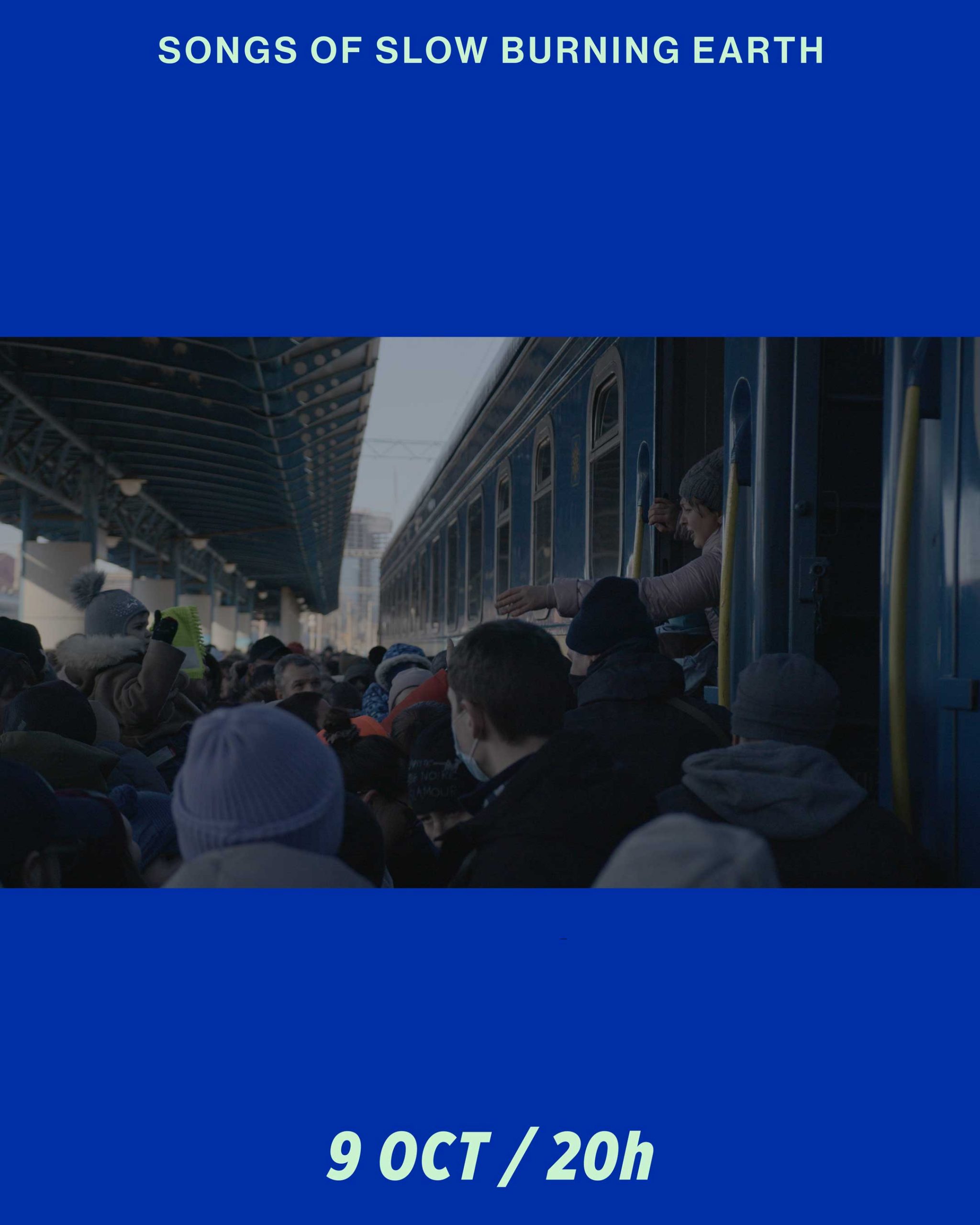
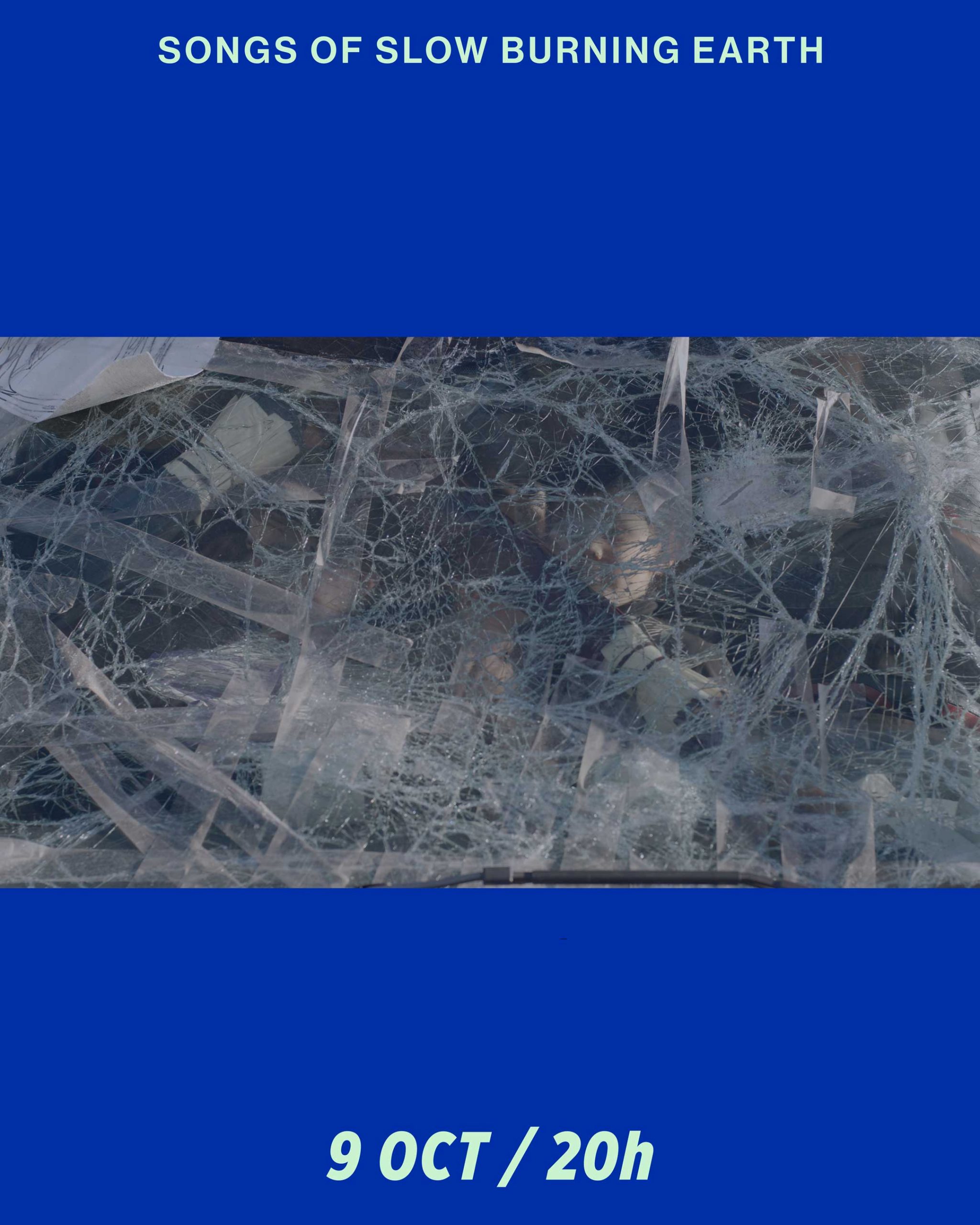
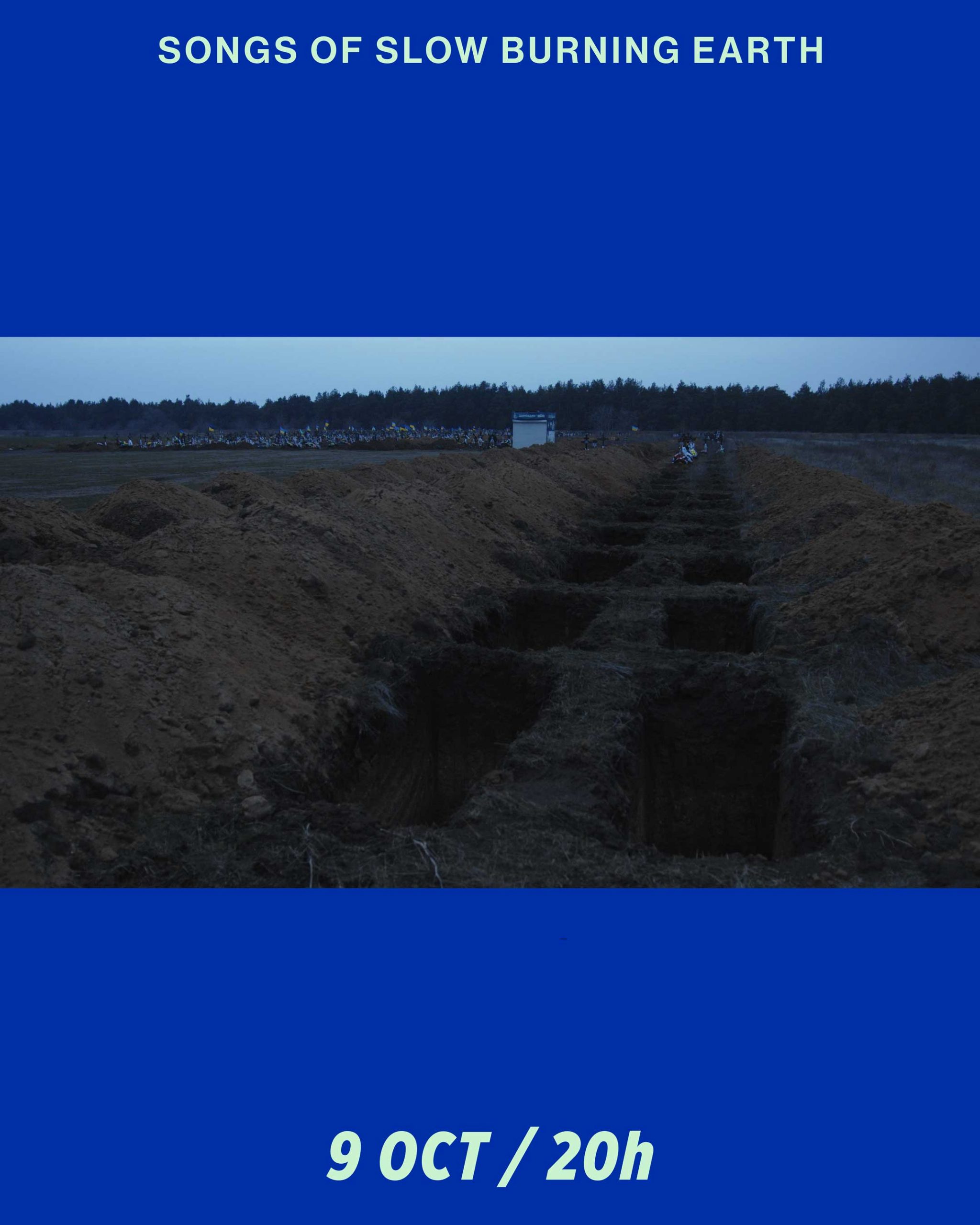
Landscapes, occasional conversations and encounters, and sounds that weave in and out of the frame compose SONGS OF SLOW BURNING EARTH. Captured in varying proximities to the frontline over two years, the audiovisual diary of Ukraine’s immersion into the abyss of total war traces the subtle changes in Ukrainian society. The ragged chords of panic and horror of the first weeks of the Russian invasion slowly morph into the numb stillness of the acceptance of death and destruction, which eventually becomes the tragic normality for the local population, but just an afterthought for the rest of the world. Against the backdrop of the (meta)physical landscape of collective disaster, a new generation of Ukrainians aspires to imagine the future.
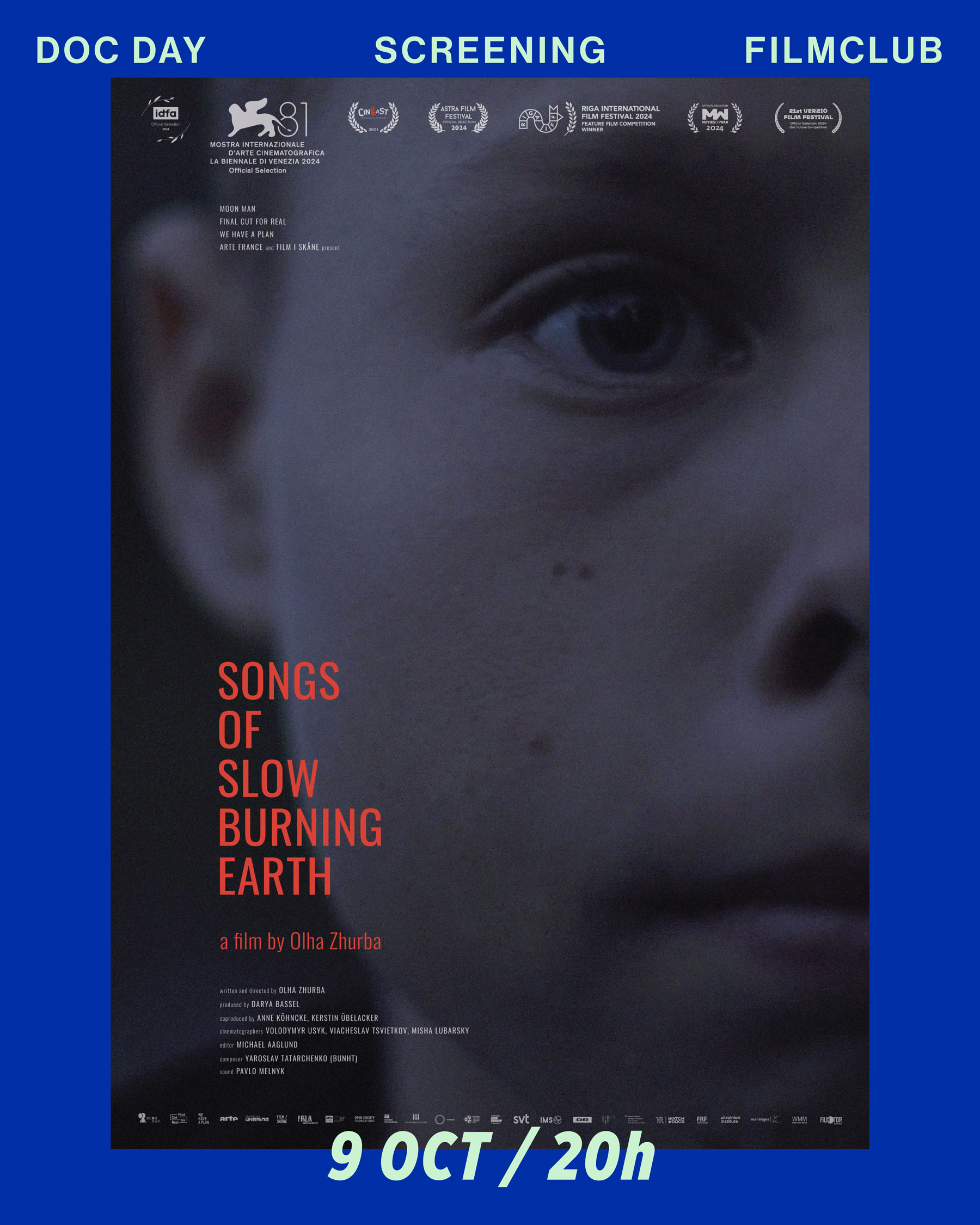
81st Venice Film Festival, Riga IFF – Int. Competition, Astra Film Festival, Cin East Luxembourg, Lugano HRFF – Int. Competition, IDFA – Best of fests, Verzio FF, Movies on War, Terrtio Millennio, Rome IDFF, Black Movie Geneva, FIPA DOC, Big Sky IDFF, CPH:DOX, One World IDFF, Vilnius IFF, Filmfest Bremen, Zagreb Dox, Docville, Films des femmes, Hong Kong IFF (Asian Premiere), Salem FF, ACT Human Rights Film Festival, Kosmorama, Tempo IDFF, Full Frame FF, Docs Gravity, DOK FEST MUNICH, Jean Rouch IFF, DOXA, Beldocs, Ethnocineca, Ukrainian Film Days, Krakow FF, La Rochelle Cinema, Olhar de cinema | Curitiba IFF, Freiburger Film Forum, Taipei IFF, MoMI First Look, Imagine India, Documentarist, Golden Apricot IFF Yerevan
WINNER | RIGA IFF FEATURE FILM COMPETITION; WINNER: DOC FUTURE AWARD at Verzio IDFF Hungary; WINNER: BEST FILM at Tertio Millennio Film Fest; Special Jury Award at Rome Documentary FF; Best Feature film at Big Sky Documentary FF, Best Film – One World IDFF Prague, Best feature film – Film Fest Bremen, Best International Feature Film at Docville | Academy Award™ Qualifying, Millenium Docs Against Gravity – Amnesty International Award & First Appearance Award, Special Mention for the best cinematography, Golden Lynx Documentary Award – FEST New Directors, New Films, Jury Special Mention – Golden Apricot Yerevan IFF, Best Ukrainian Film Docu Days Kiev
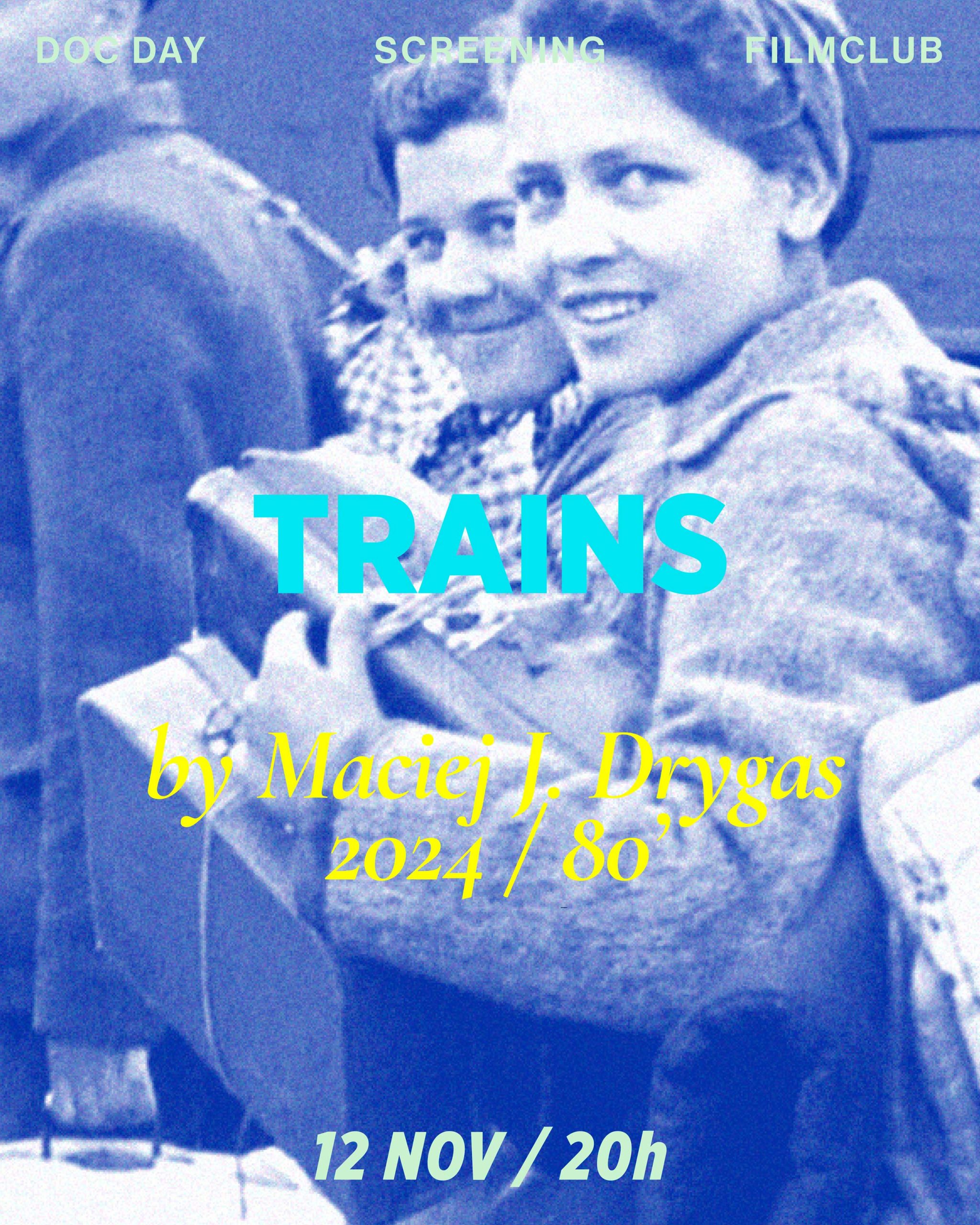
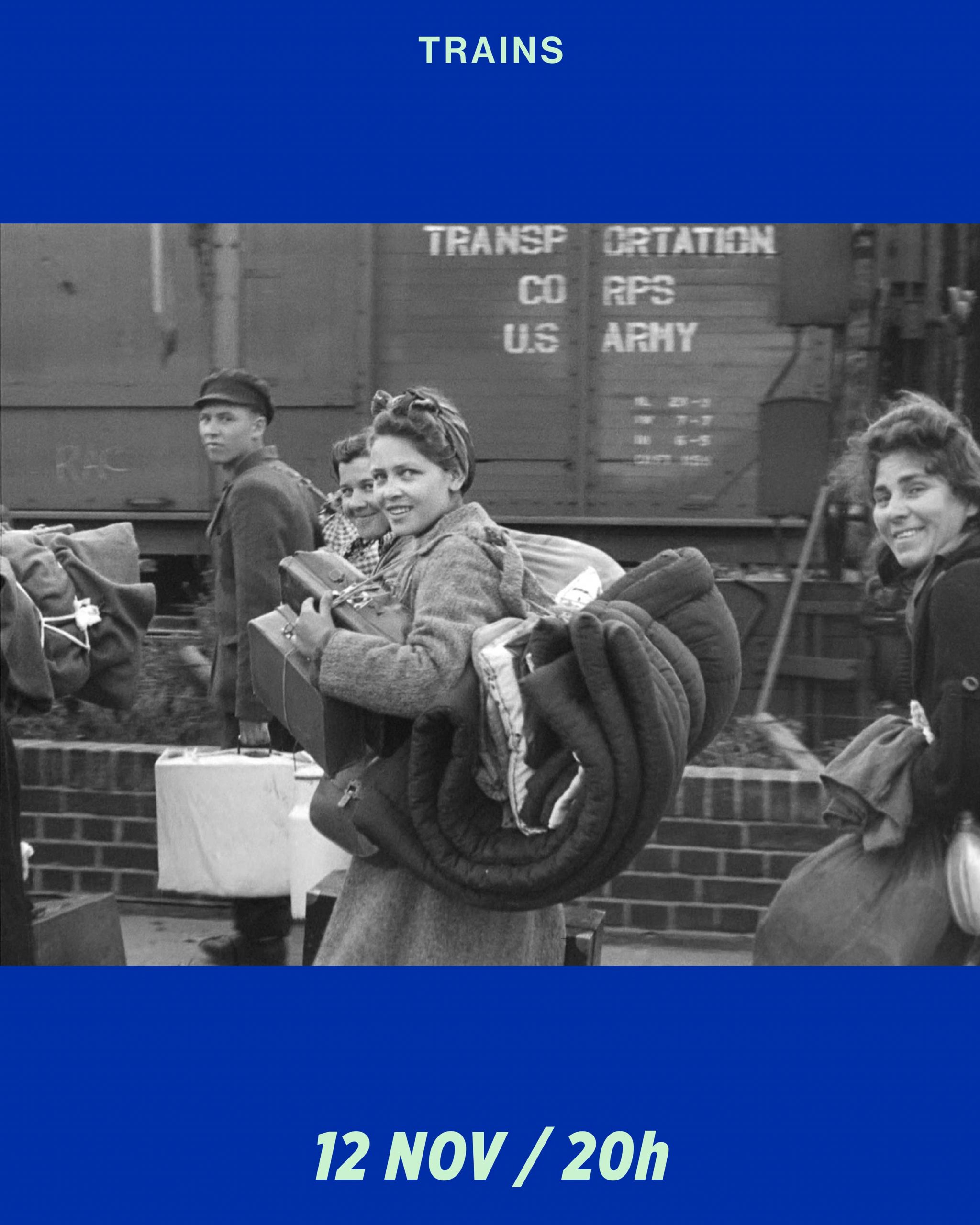

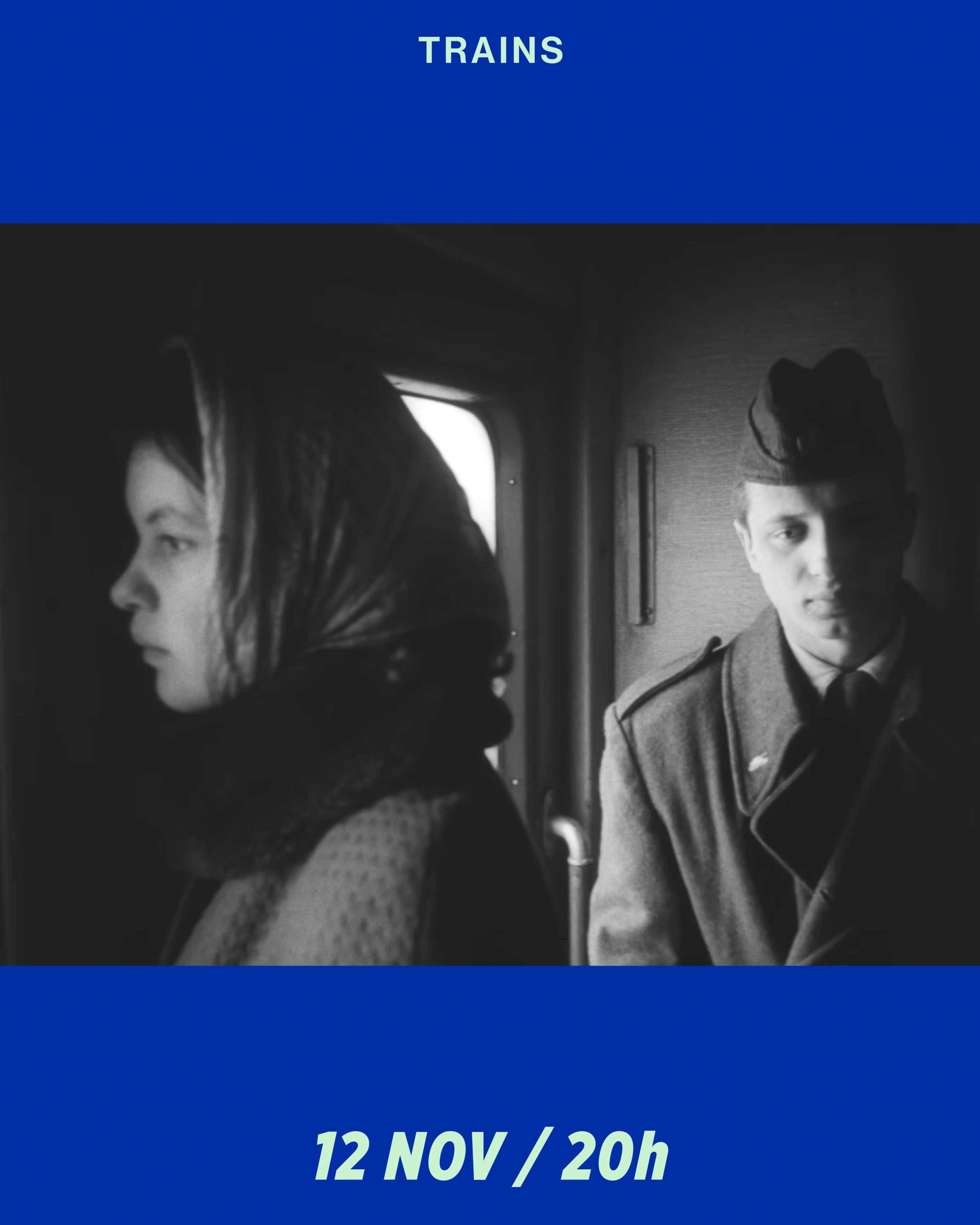
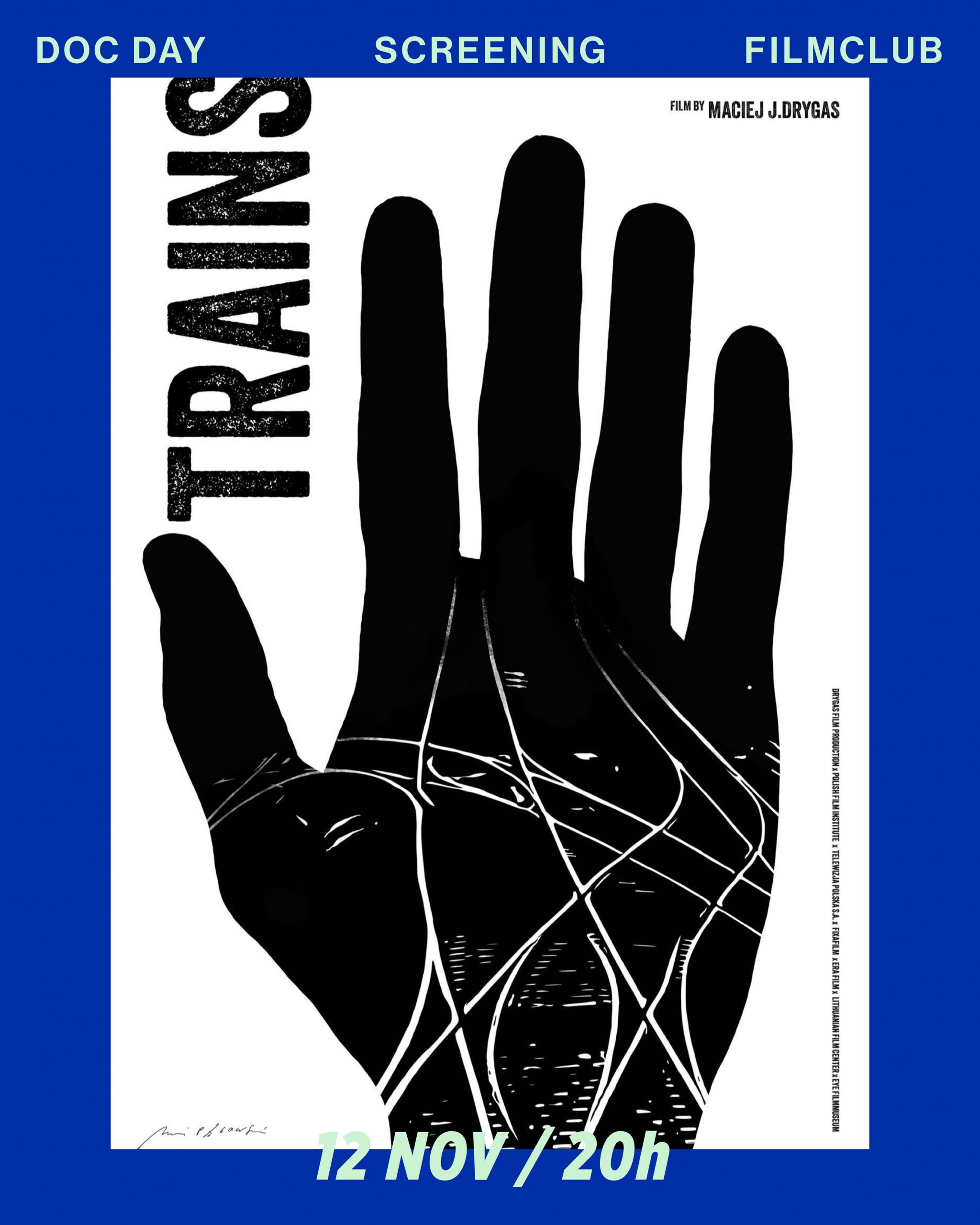
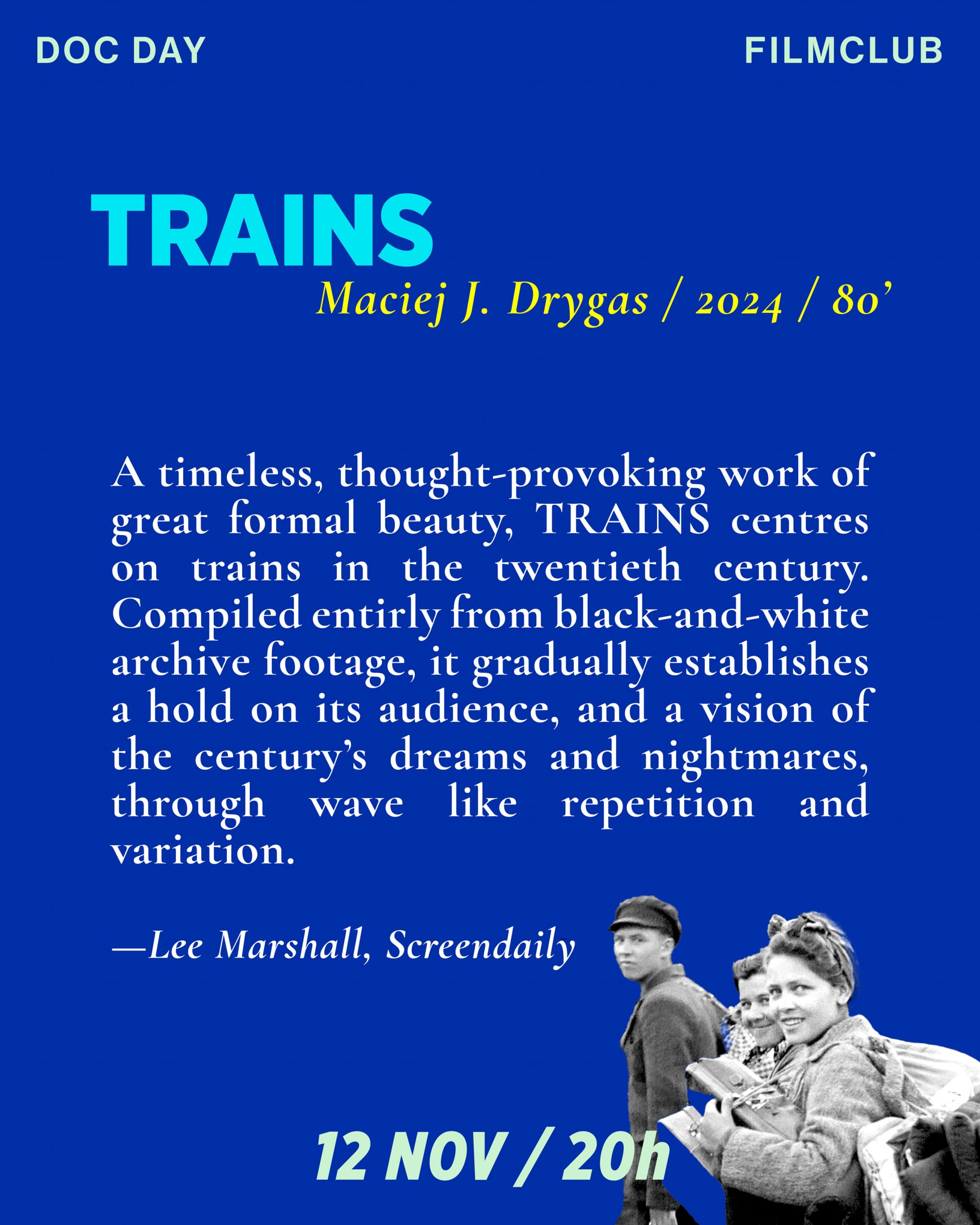
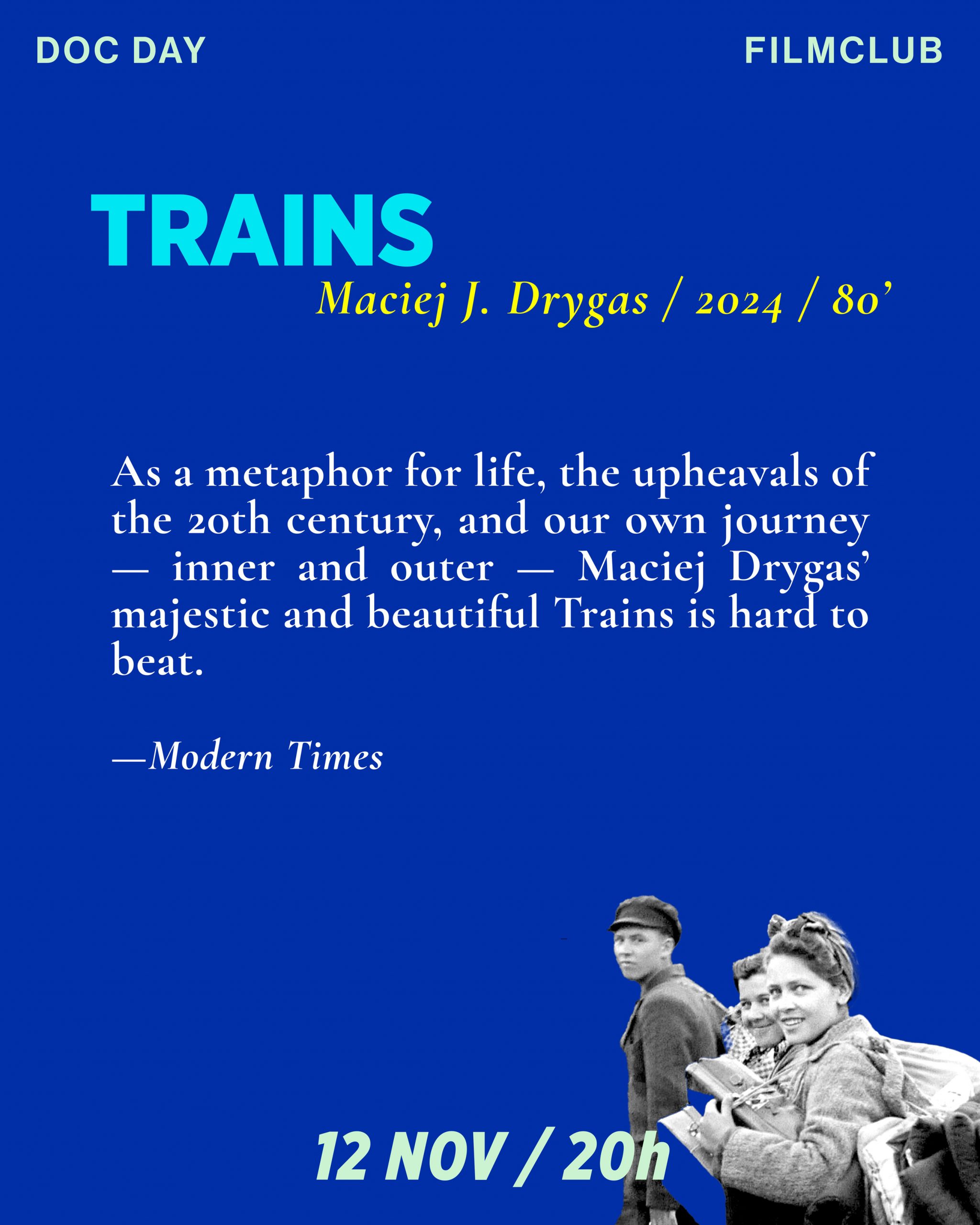
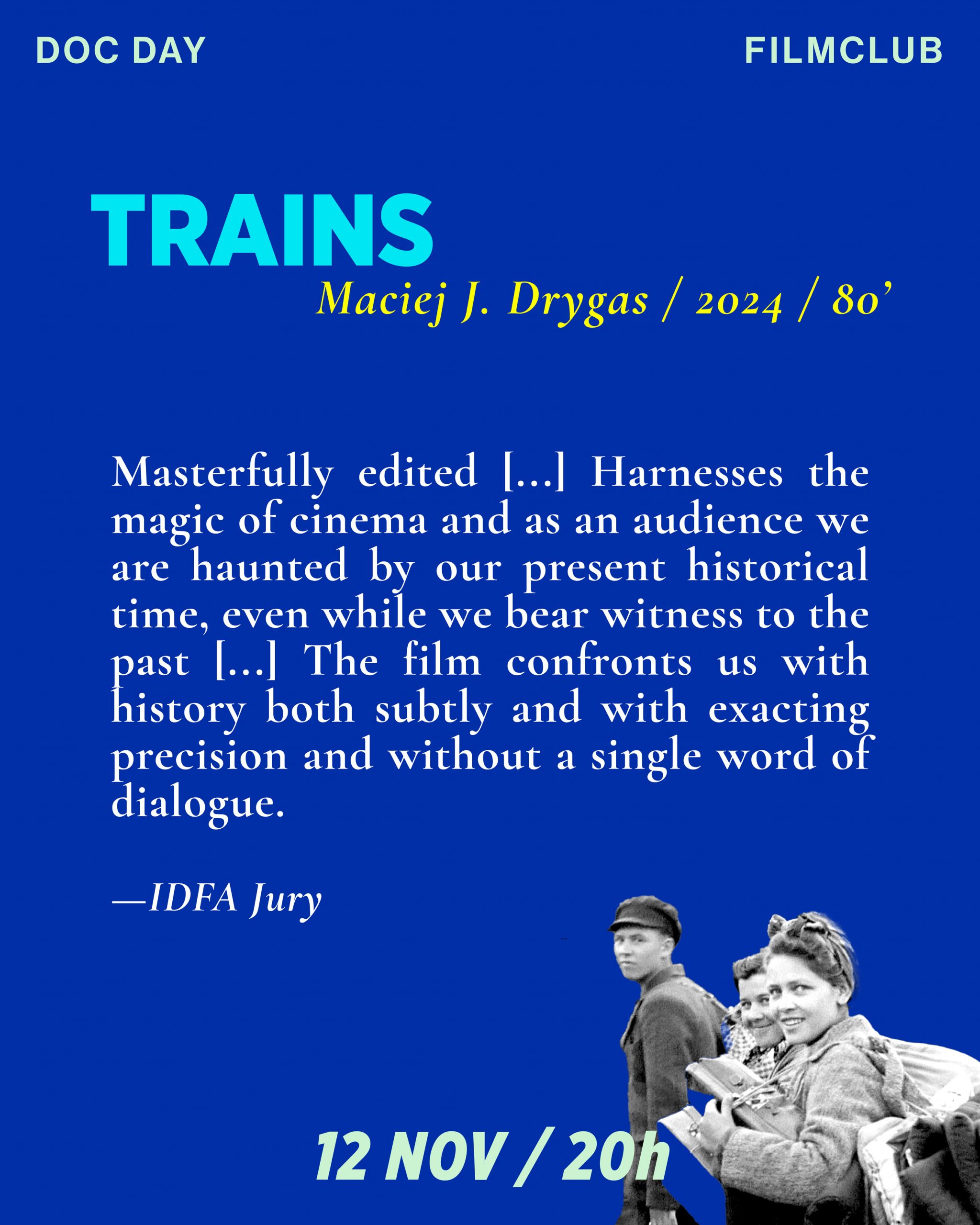
Trains opens with a quote from Franz Kafka: “There is plenty of hope. An infinite amount of hope. But not for us.” These words hang like a dark cloud over this found footage documentary, which creates a collective portrait of people in 20th century Europe, capturing their hopes, desires, dramas, and tragedies.
Powerful scenes showing stea m locomotives and railroad cars being assembled feel like a celebration of human ingenuity and labor. People dressed in festive attire embark on a rail journey. But these cheerful scenes soon make way for military transport: soldiers being deployed to the frontlines—quickly followed by civilians evacuating, a procession of ragged prisoners-of-war, and amputee soldiers.
Times change, the pattern repeats. The archival material in this wordless film evokes an inevitable cycle of delight and destruction, beauty and bitterness. The image of a tangle of railroad tracks and switches raises the inevitable question: Which route will humanity choose?
2024 — International Documentary Film Festival Amsterdam (IDFA) (Netherlands) — International Competition / 2024 — Tallinn Black Nights Film Festival (PÖFF) (Estonia) — Doc@PÖFF section / 2025 — DOK.fest München (Germany) / 2025 — Neiße Filmfestival (Germany) / 2025 — DOK Leipzig (Germany) / 2025 — Docs Against Gravity (Poland) / 2025 — Kraków Film Festival (Poland) — Polish Documentary Panorama
Won: IDFA 2024 — Best Film, International Competition.
Won: IDFA 2024 — Best Editing (editor: Rafał Listopad).
Won: Artdocfest / Riga 2025 — Grand Prix, Baltic Focus competition.
Nominated: FOCAL International Award 2025 — Best Use of Footage in a History Feature.
Nominated: Critics’ Choice Documentary Awards 2025 — Best Archival Documentary (plus nomination in Best Score).
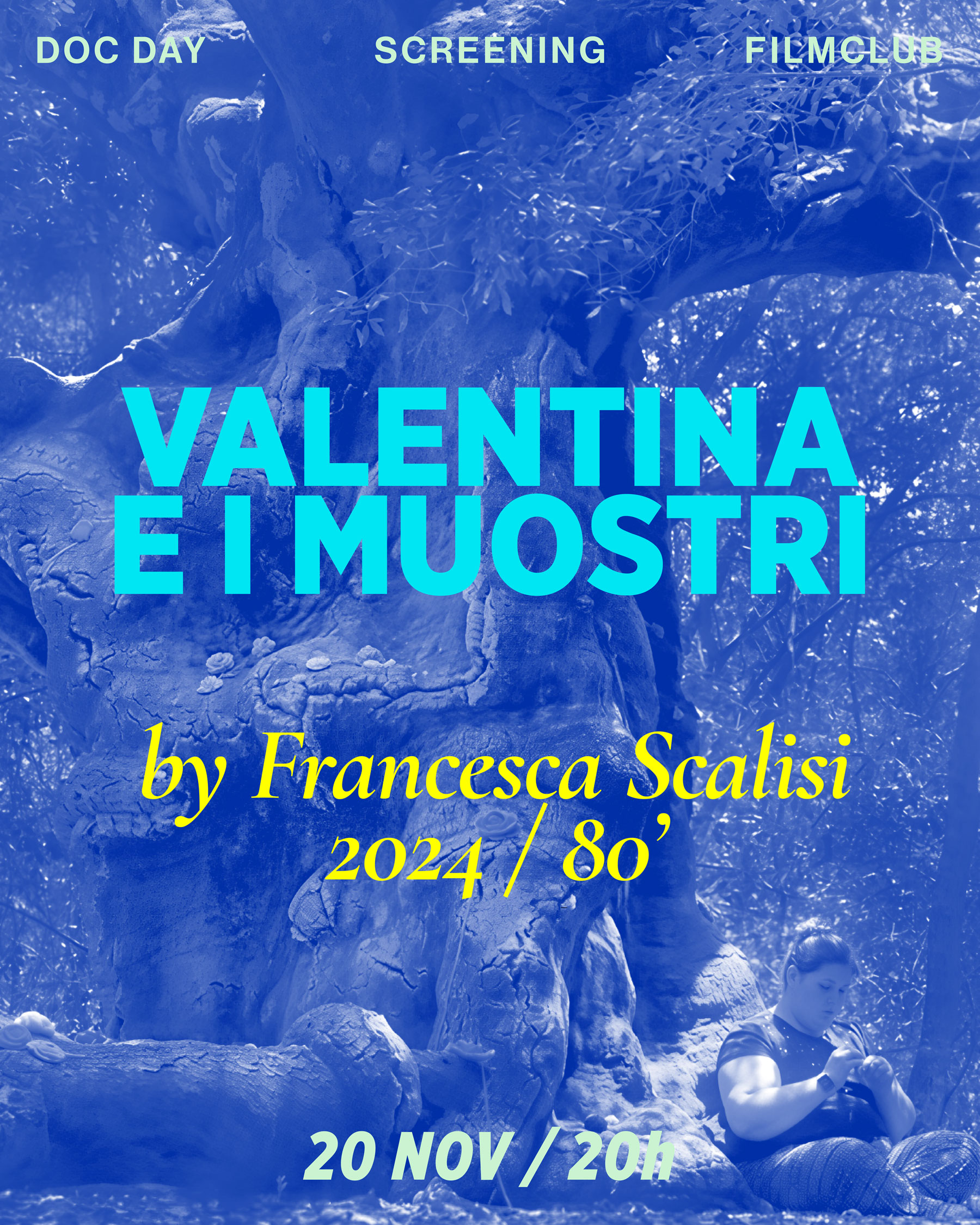
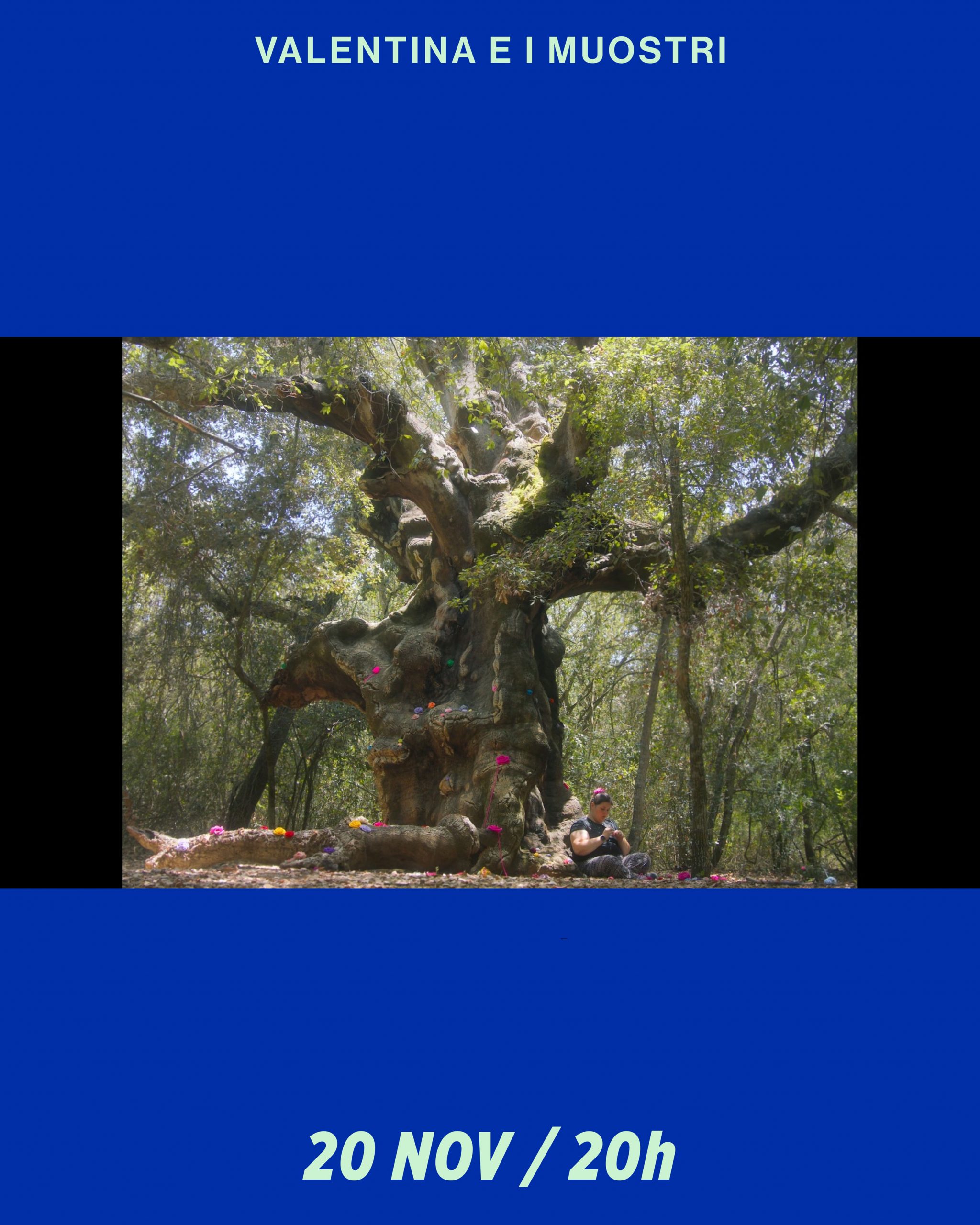
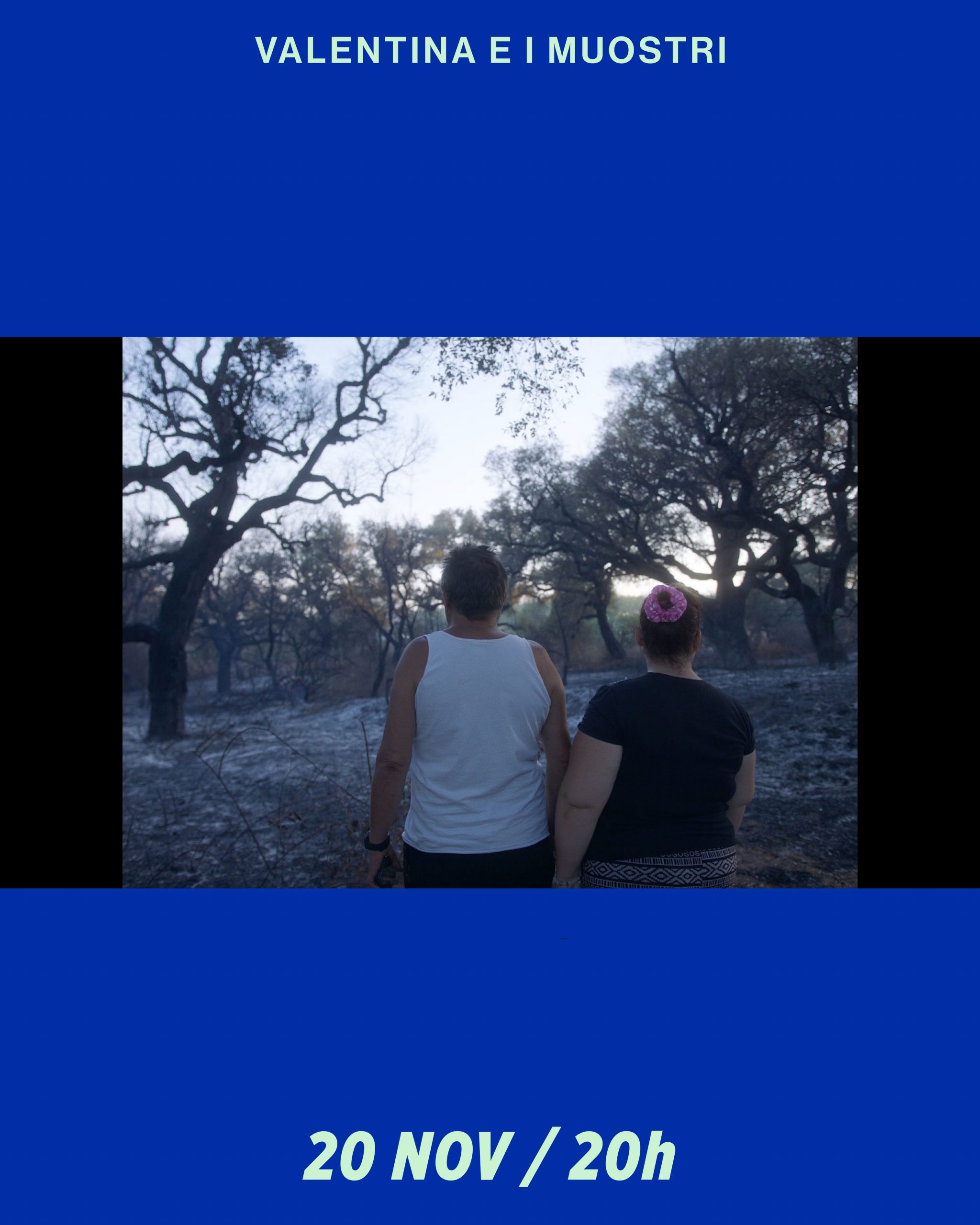
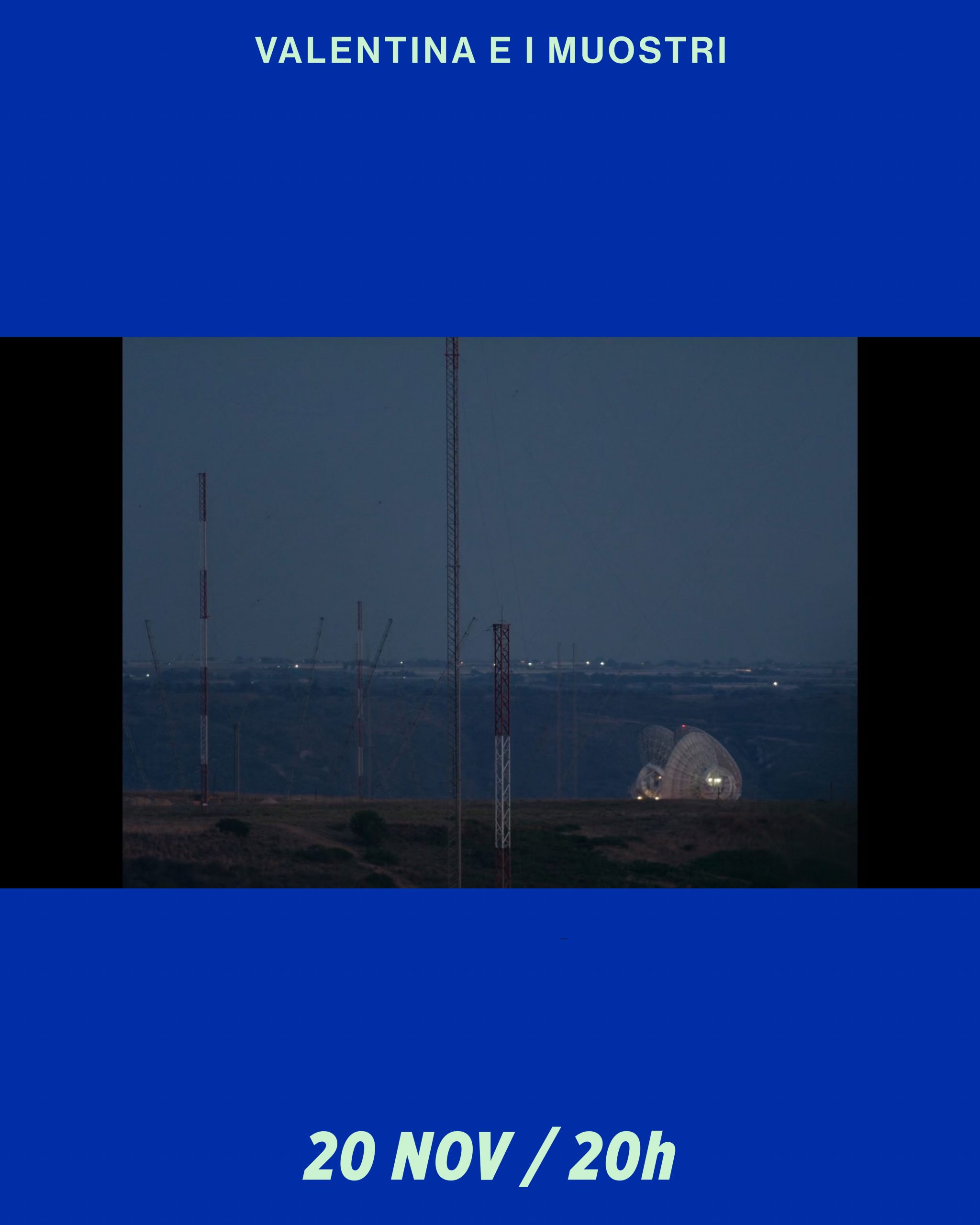
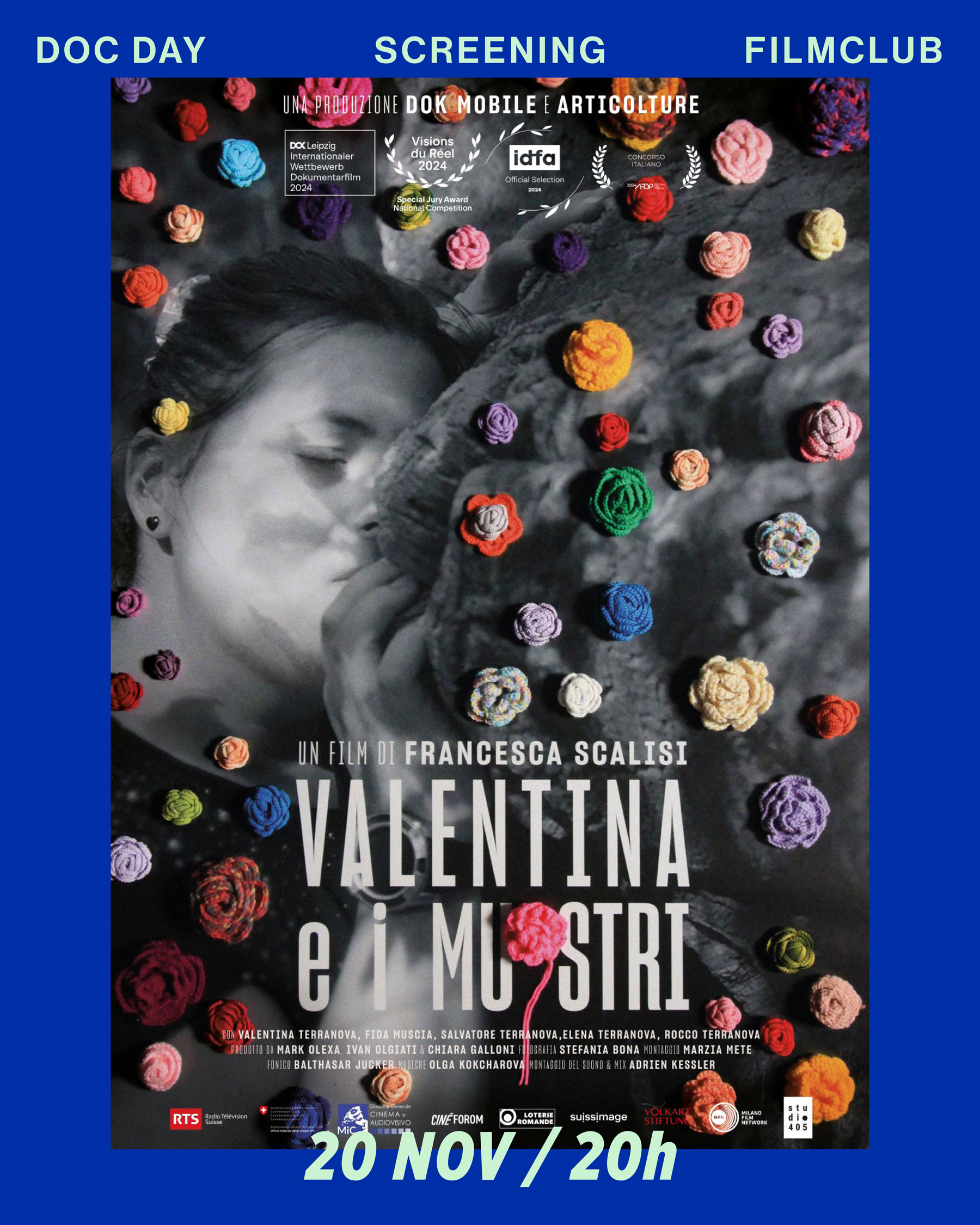
26-year-old Valentina still lives with her parents. She has always put their welfare before her own needs. The two, on the other hand, keep harping on how clumsy and unambitious she is. The sensitive young woman finds reassurance in the artful crocheting of woollen blossoms and among the thousand-year-old cork oaks of the nature reserve surrounding her hometown. The small Sicilian town of Niscemi is of the highest global political importance: Since 2016, the US Navy has been operating a ground station with huge parabolic antennas here for their satellite communication system MUOS. The system also serves to locate Russian military in the Ukraine and turns the region into a potential target for attacks. The locals have been protesting for years. Due to the strong electromagnetic waves the health risks are enormous.
The remarkable sound design underlines the danger and conveys a sense of unease that grows with all the other threats: massive environmental destruction caused by intensive agriculture, drought, fires. Valentina is deeply shaken. Against her parents’ wishes, she takes part in anti-MUOS rallies, wants to become independent at last, drive a car, get a job. This tender story of emancipation is enchanting with its subtle narrative and dream-like interventions. Valentina will be remembered for a long time!
Dok Leipzig
Visions du Réel Nyon, 2024, Switzerland
DOK Leipzig, 2024, Germany
Festival dei Popoli Firenze, 2024, Italy
Cinemambiente, 2025, Italy
Festival International du Film Insulaire de Groix, 2025, France
Euganea Film Festival, 2025, Italy
IDFA, 2024, The Netherlands
RIDM Rencontres internationales du documentaire Montréal, 2024, Canada
Solothurner Filmtage, 2025, Switzerland
Antenna documentary film festival, 2025, Australia
True/False, 2025, USA
Festival International du Film de Fribourg FIFF, 2025, Switzerland
Full Frame Documentary Film Festival, 2025, USA
Athens International Film + Video Festival, 2025, USA
Mostra Internacional de Films de Dones de Barcelona, 2025, Spain
DOXA Documentary Film Festival, 2025, Canada
Sole Luna Festival, 2025, Italie
Special Jury Award in National Competition at Visions du Réel 2024
Prize of the International Film Critics (FIPRESCI Prize) at DOK Leipzig 2024
CG Entertainment Distribution Award to the Best Italian Film at Festival dei Popoli 2024
Prix „Società e Ambiente“ et Mention spéciale „Gaetano Capizzi“ Section Made in Italy (Cinemambiente)
Prix L’Île d’or in (Groix)
Zalabview Prize (Euganea Film Festival)

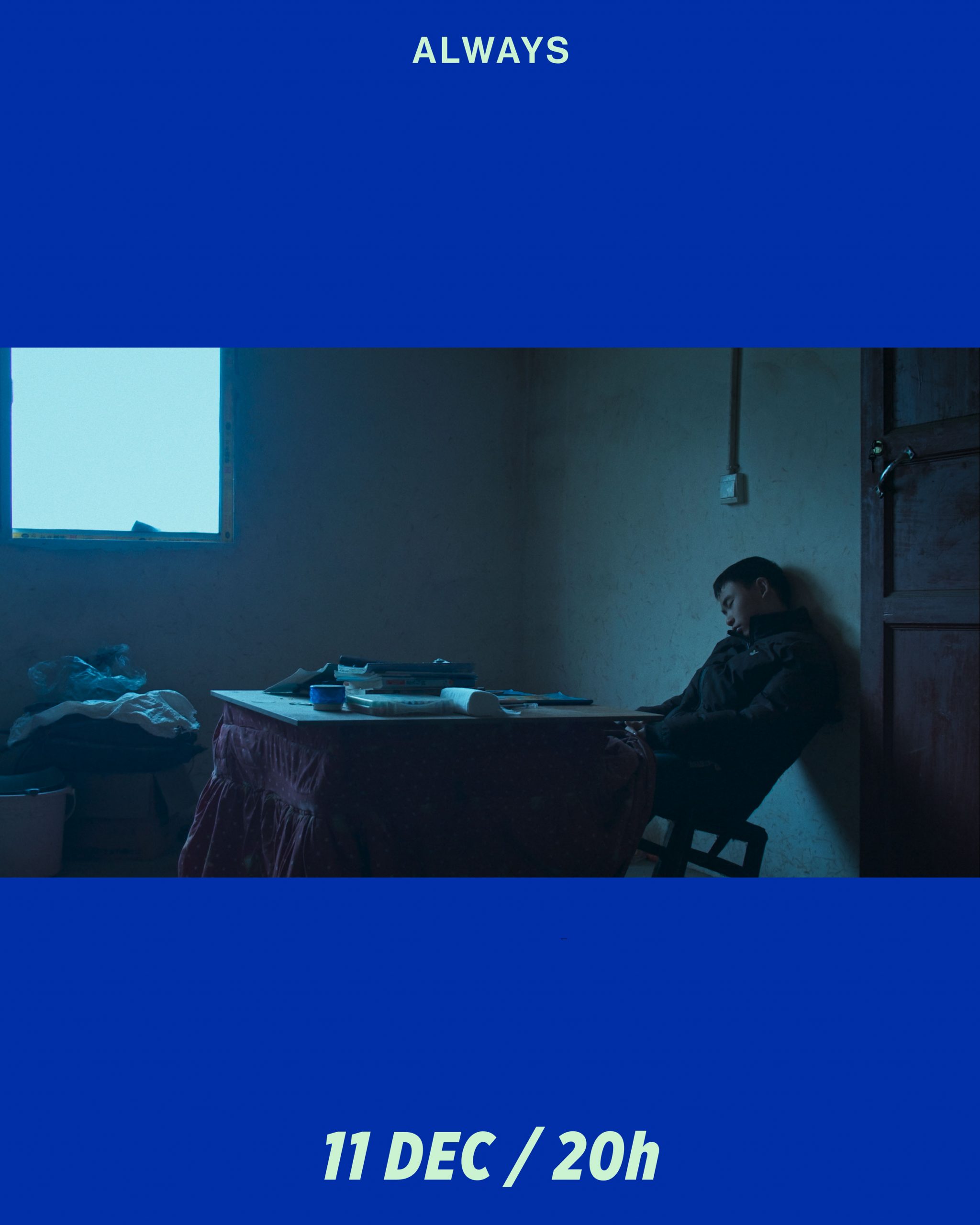
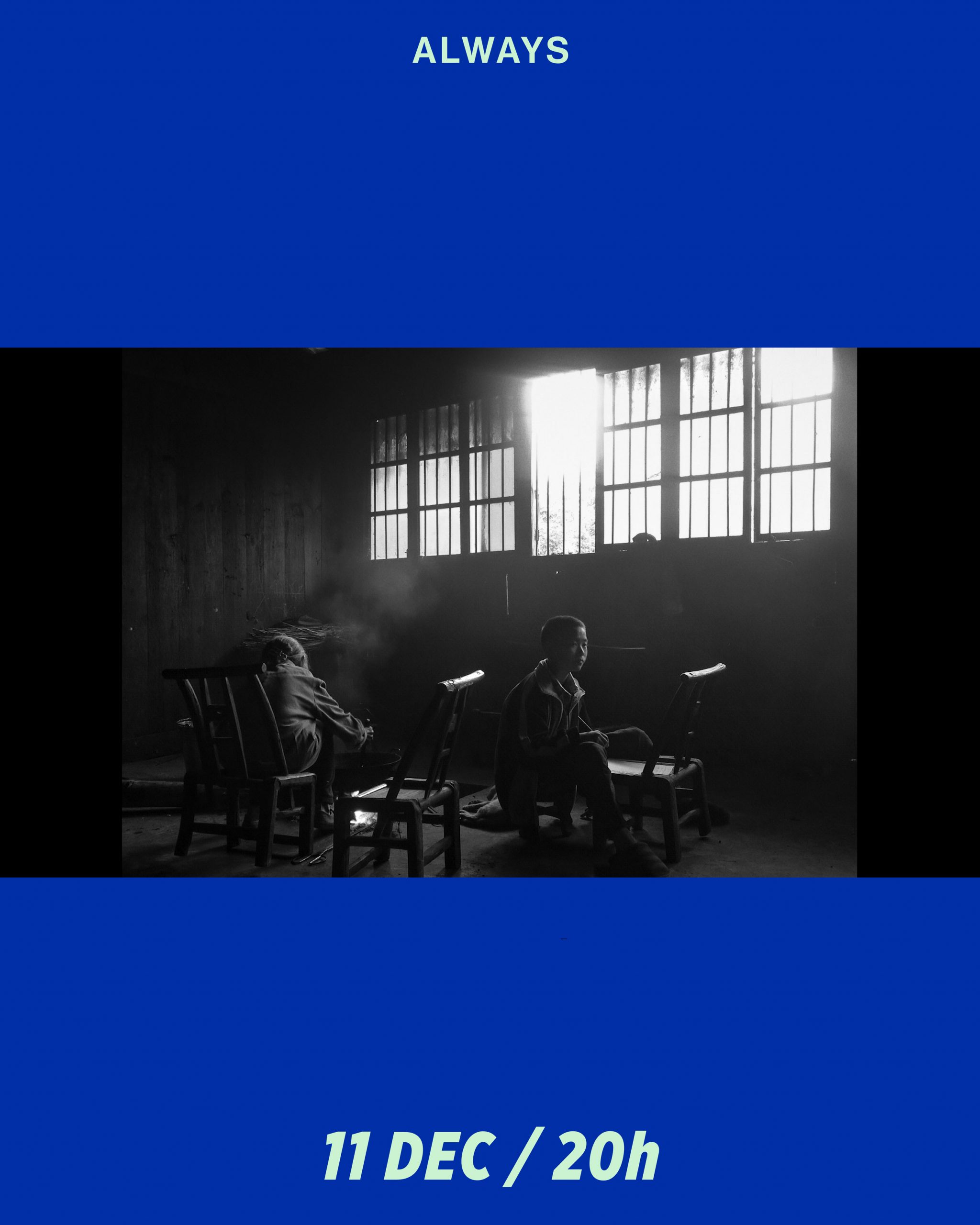
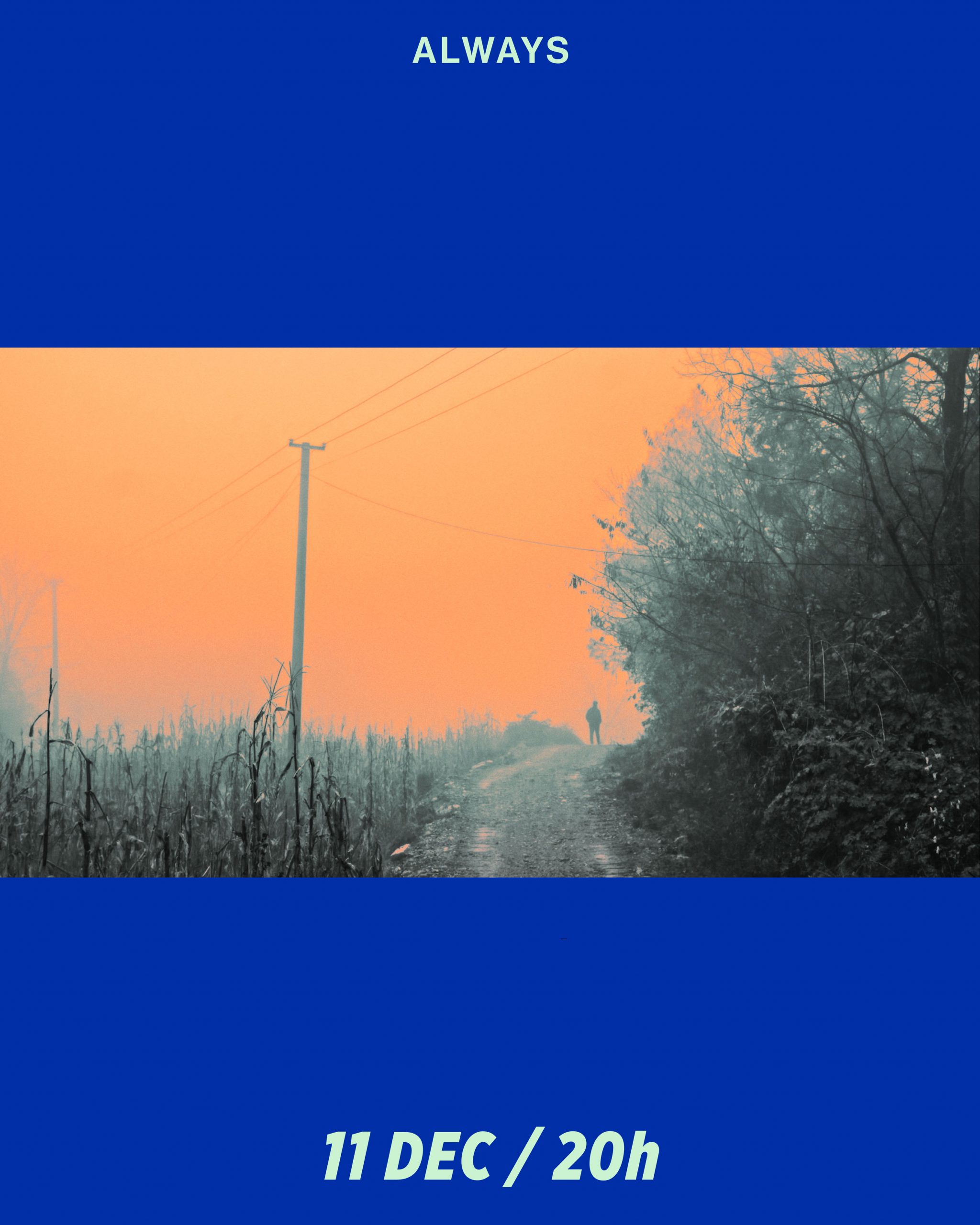
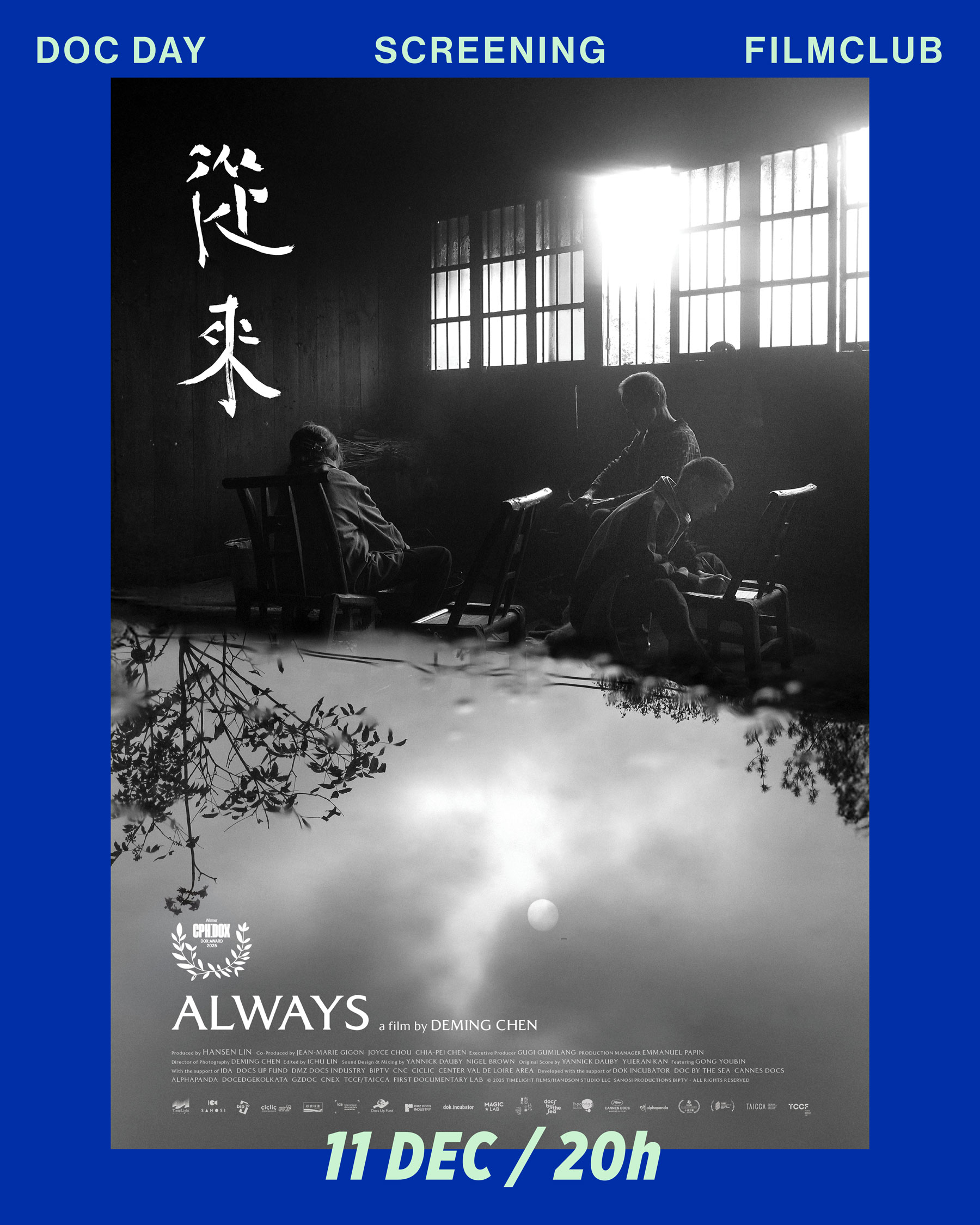
“Don’t overthink when you write. Free your mind and your imagination,” says a teacher at a rural school in Hunan province, China. In the case of Youbin Gong, these words fall on fertile ground. Always follows Youbin over the course of six years, starting when he’s nine. He lives with his father at the home of his grandparents, who lead a hard life as subsistence farmers. He hasn’t seen his mother since she left shortly after his birth.
Filmmaker Deming Chen, who also grew up in Hunan, shows the gulf between adults and children there. Youbin uses imaginative poetry to give voice to his dreams of an existence beyond the harsh realities of rural life. With a 4:3 aspect ratio and black-and-white cinematography, the film employs a realist aesthetic to evoke Youbin’s coming of age; when he lets go of his dreams and childhood, the film shifts to color and widescreen format. In long, meditative takes, Chen captures the breathtaking natural world in which Youbin grows up.
Poems by Youbin and his classmates naturally also feature in this melancholic film. One reads, “The weeds bid farewell to the river/The trees to the wind/When I leave/There’s no one to bid farewell.”
IDFA


Taipei Golden Horse Film Festival | „Best Documentary Feature“ Selection | Taiwan | November 2025
États Généraux du documentaire | France | August 2025
69th BFI London Film Festival | Official Selection for the Grierson Award | United Kingdom | August 2025
VIFF, Vancouver International Film Festival | Official Selection | Canada | August 2025
El Gouna Film Festival | Official Selection, Best Documentary Feature | Egypt | August 2025
Tirana International Film Festival | Official Selection, Best Documentary | Albania | August 2025
DokuFest, International Documentary and Short Film Festival | International Documentary Competition | July 2025
Sydney Film Festival | Australia | June 2025
Jeonju International Film Festival | South Korea | May 2025
International Film Festival DocsBarcelona | Spain | May 2025
HotDocs | Canada | April 2025
CPH:DOX | Denmark | March 2025
DOX:Award (Grand Prize) | CPH:DOX, Copenhagen International Documentary Film Festival | Denmark, March 2025
Best Editing | DocsBarcelona International Documentary Film Festival, Spain, May 2025
Best Film | International Competition at the 26th Jeonju International Film Festival | South Korea, May 2025
Harrell Award (Best Documentary) | 26th Camden International Film Festival | United States, September 2025
Golden Star for Best Documentary Film | El Gouna Festival | Egypt, October 2025
Portrait Prize (awarded by the Association for the Support of Young Authors) | CORSICA.DOC | France, October 2025
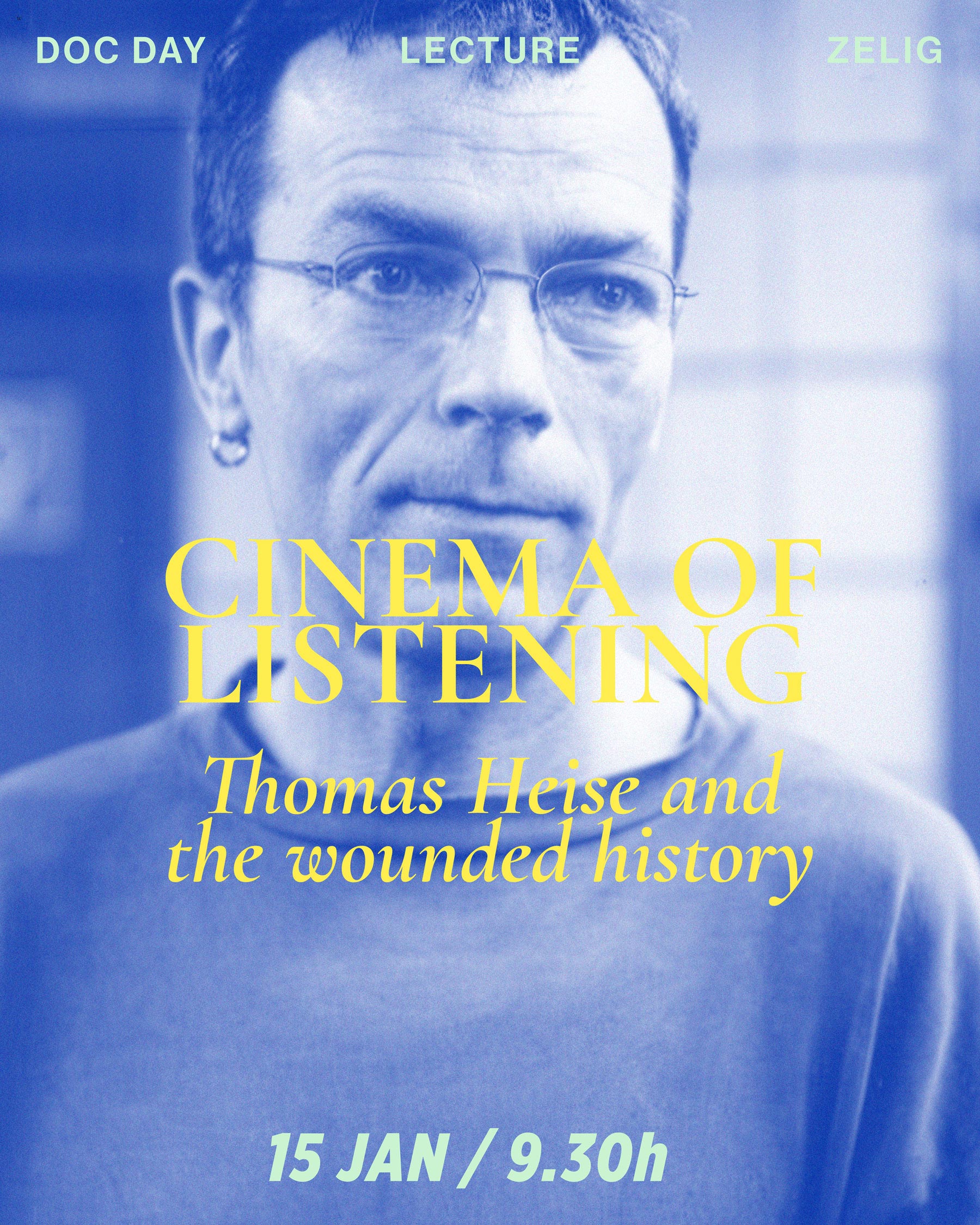
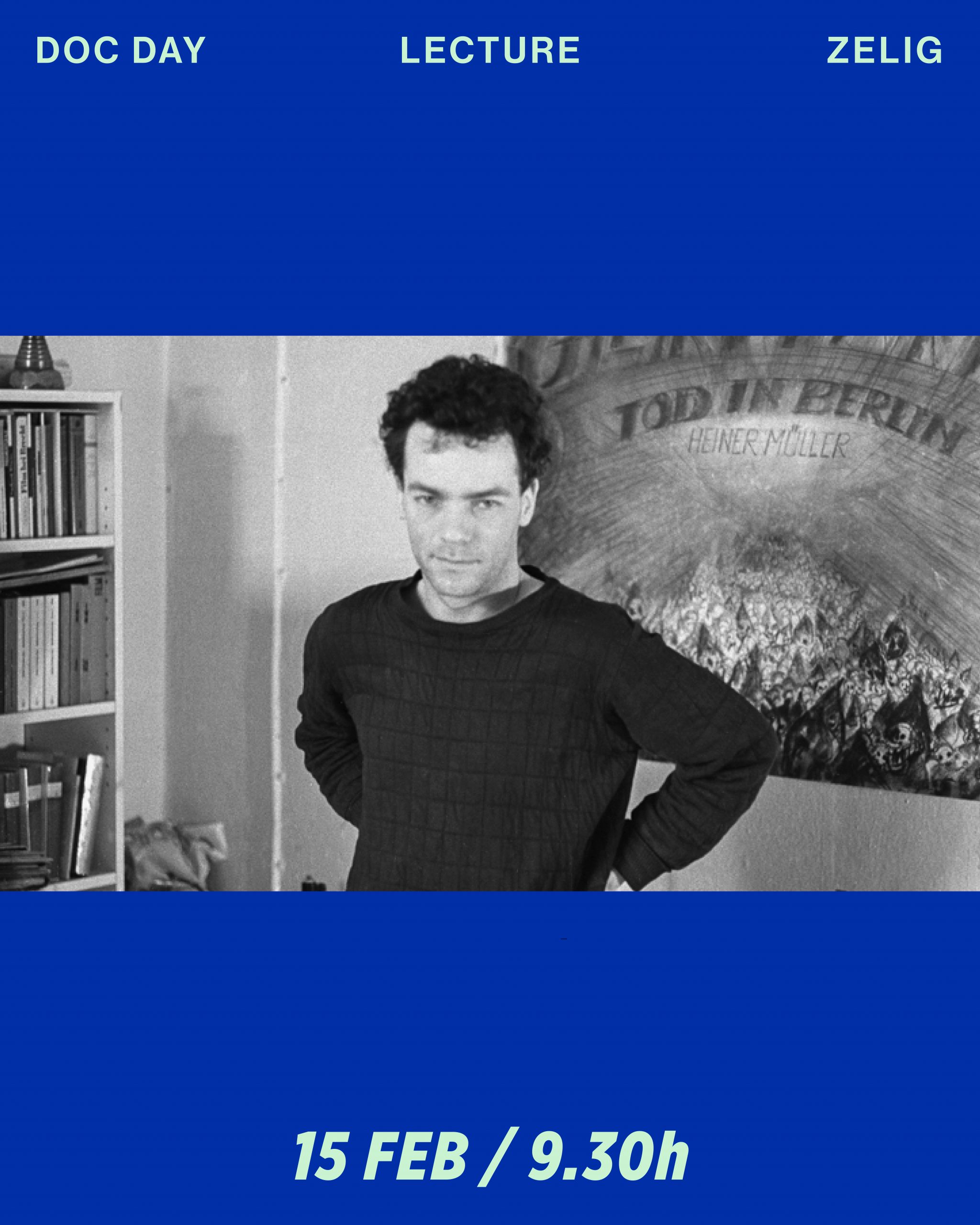
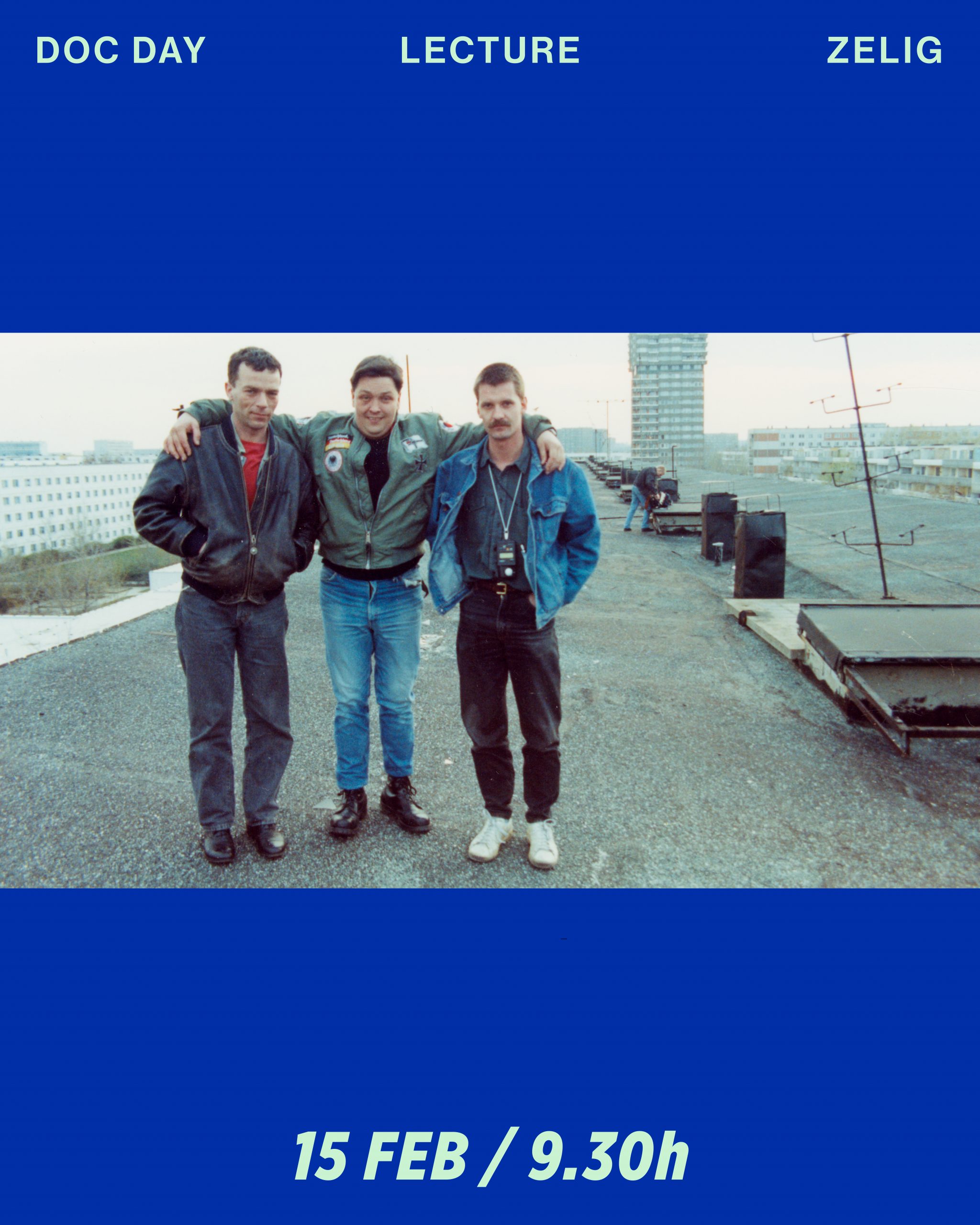
Heise was born on August 22, 1955, in East Berlin and began studying directing at the Film University in Babelsberg in 1978. The title of a smaller practice film, WOZU DENN ÜBER DIESE LEUTE EINEN FILM? (Why make a film about these people?), posed by a lecturer, became emblematic of his work. The Süddeutsche Zeitung described it as „deep drilling into reality,“ while the Berliner Zeitung wrote in its obituary: „He worked incredibly precisely, attentively, weighing his material on a gold scale.“ However, the close observation and documentation that Heise practised in his student films were uncomfortable for the authorities. In 1982, anticipating his expulsion, he left the university without a diploma—“voluntarily,“ or rather as a result of operative processing by the Stasi between 1976 and 1988 (Operation „Schule“).
Throughout the 1980s, Heise made documentaries for the State Film Documentation of the GDR, including „Das Haus“ (1984) and „Volkspolizei“ (1985)—films intended not for contemporary audiences but for future generations, offering an uncensored view of everyday GDR life. Until the end of the GDR, all his documentary efforts were either blocked, confiscated, or destroyed by ‚operative means‘. But Heise never gave up filmmaking, establishing himself as an author and director for film, radio, and theater.
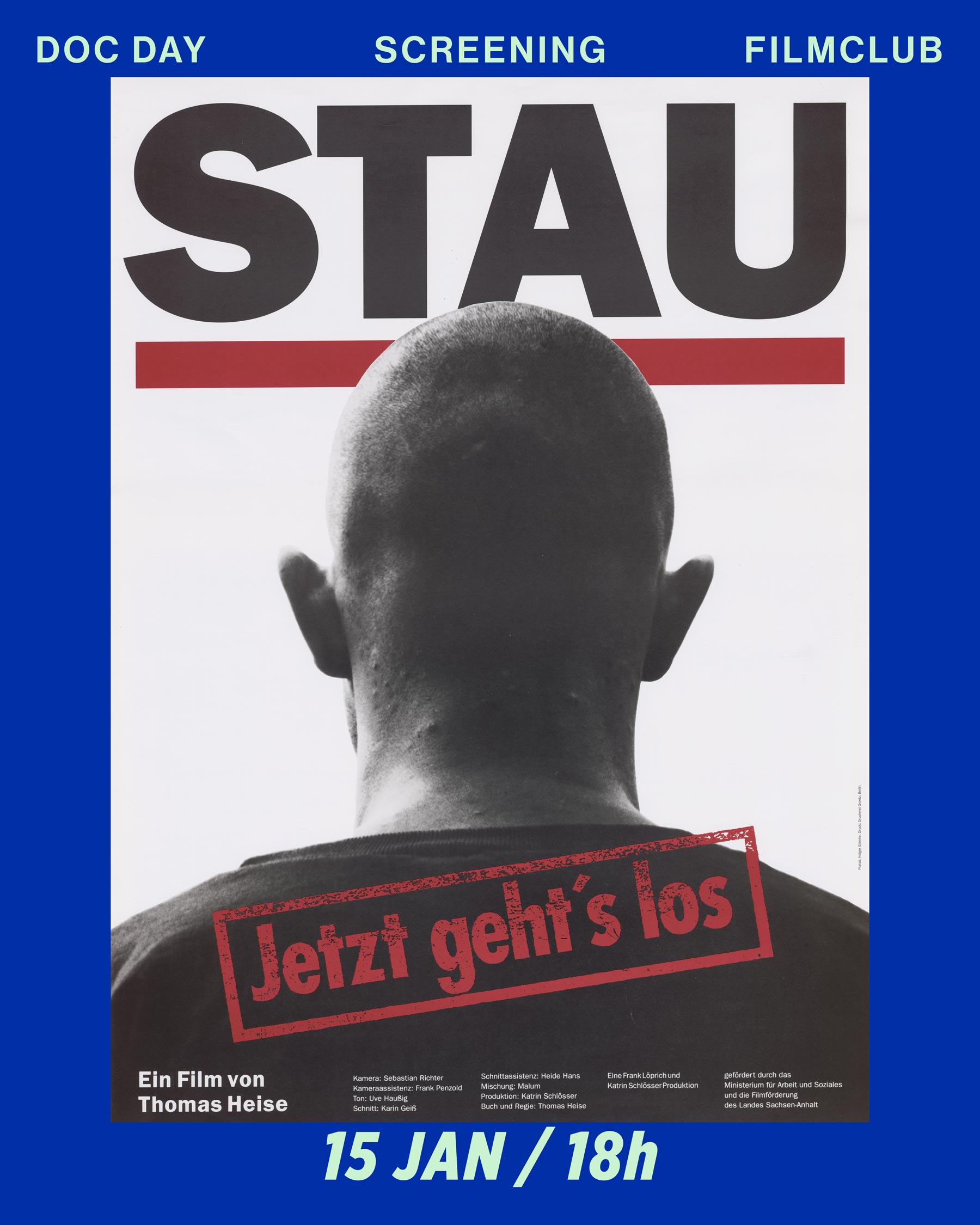
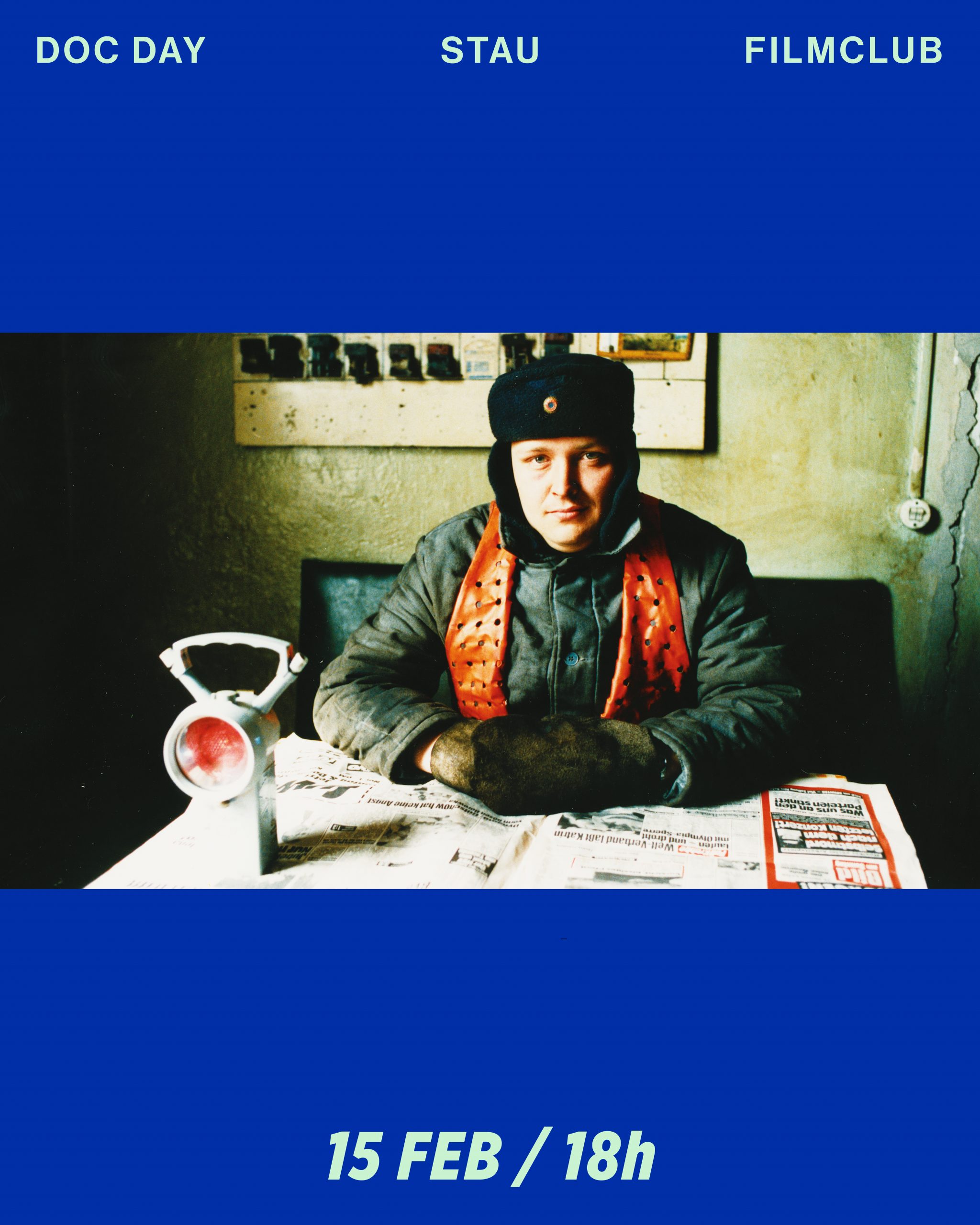
After German reunification, Heise gained international recognition with „Stau – Jetzt geht’s los“ (1992), establishing himself as one of the most important voices in German documentary cinema. He became known as a chronicler of German upheaval in the 1990s and as a filmmaker who examined the sedimented layers of 20th-century German history with archaeological precision. His Halle-Neustadt Trilogy stands as a monumental achievement in long-term documentary filmmaking.
He directed more than 20 documentaries that achieved international success and acclaim. He was a master student of the Academy of Arts of the GDR, worked with Fritz Marquardt at the Berliner Ensemble, and realised his own stage productions. He later became a member of the European Film Academy and the Academy of Arts Berlin-Brandenburg, heading its Film Section from 2018 to 2024. He served as Professor of Film at the State University of Design Karlsruhe from 2007 to 2022 and Professor of Art and Film at the Academy of Fine Arts Vienna. In June 2013, he returned to the Film University in honor: he was appointed Honorary Professor in Cinematography “ in recognition of his outstanding scholarly achievements.“
Thomas Heise died on May 29, 2024, at the age of 68.
1992: Duisburger Filmwoche (Preis der deutschen Filmkritik); Goethe Institut Montreal; Filfestival Saarbrücken; Berlinale, Neue deutsche Filme; IDFA – Internationales Filmfestival Amsterdam; International Filmfestival Portugal; Internationales Dokumentarfilmfestival Leipzig; Kopenhagen Film- und Videofestival (1. Preis); Filmfest Potsdam


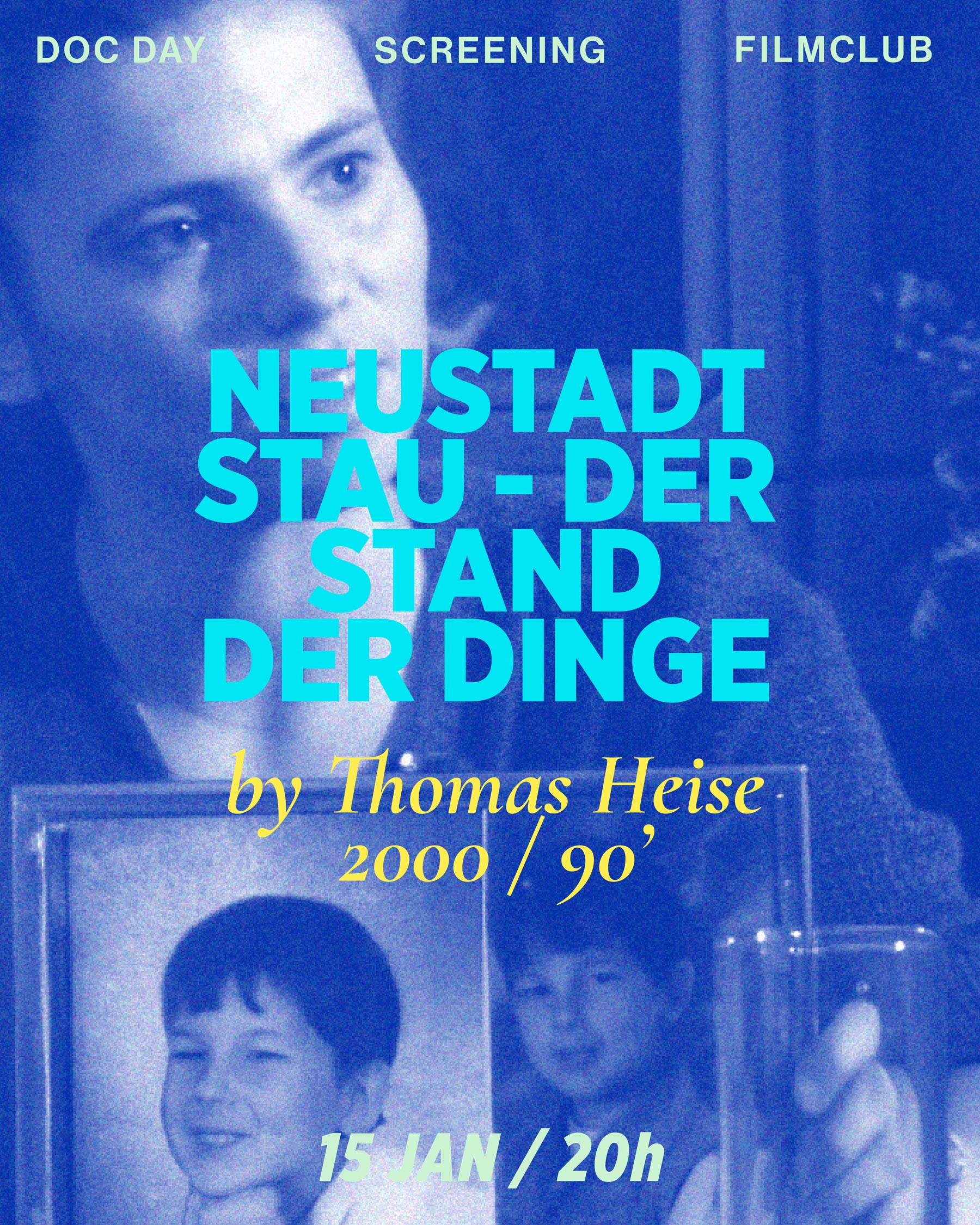
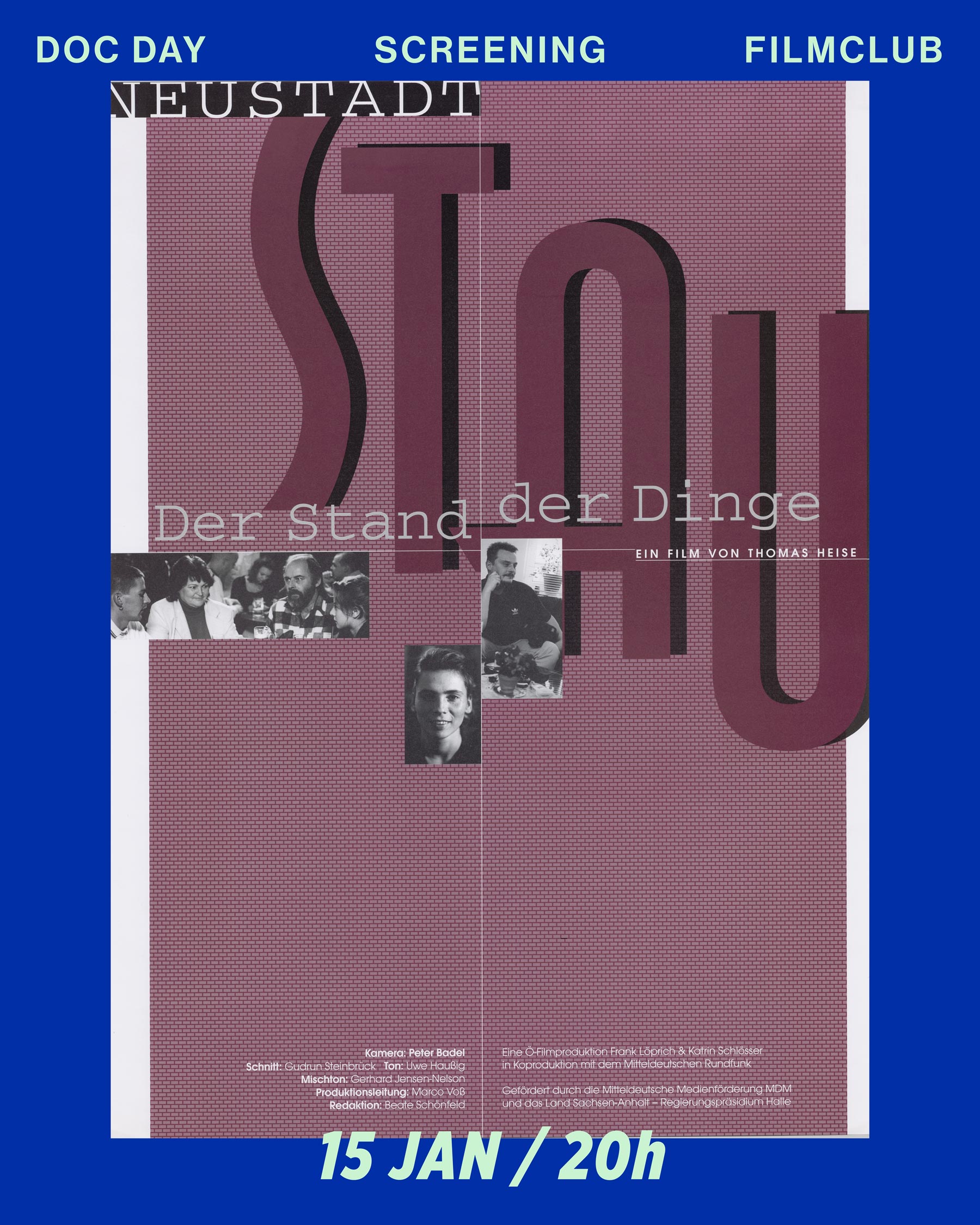
2000: Berlinale, Forum des jungen deutschen Films; Visions du Réel Nyon/Schweiz; Filmkunstfest Schwerin; Filmfestival Baltikum – Bornholm; Duisburger Filmtage (Preis der deutschen Filmkritik für den besten Dokumentarfilm); Viennale
After the first two films of the Trilogy we will have an online Q&A with Heise’s long-time producer Katrin Schlösser and DoP Peter Badel.
Katrin Schlösser was born in Leipzig and studied film and television business at the Hochschule für Film und Fernsehen ‚Konrad Wolf‘ in Potsdam-Babelsberg, graduating in 1988 with a thesis on documentary filmmaker Volker Koepp. In 1990, she founded ö-Filmproduktion together with Frank Löprich. „Stau – Jetzt geht’s los“ (1992) was one of her first productions. ö-Film went on to produce several of Thomas Heise’s documentary films, including „Barluschke“ (1997), „Neustadt/Stau – Stand der Dinge“ (2000), and co-produced „Kinder. Wie die Zeit vergeht“ (2008). Schlösser has produced over 60 films and has been a professor for creative film and television production at the Academy of Media Arts Cologne (KHM) since 2007.
Peter Badel was born on August 9, 1953, in East Berlin and studied cinematography at the Film University Babelsberg from 1977 to 1981. From 1981 to 1990, he worked as a cinematographer at the DEFA Studio for Feature Films. In 1984, he realized the films „Das Haus“ and „Volkspolizei“ for the State Film Archive of the GDR in collaboration with Heise and since 1990 has worked as a freelance cinematographer for documentaries, television and feature films. Badel became a longtime collaborator and „team partner behind the camera“ with Heise, serving as cinematographer on numerous Heise films, also including „Material“ (2009), „Die Lage“ (2012), and „We’ll Meet Again“ (2005). From 2007 to 2019, he held a professorship in „Cinematographer for Digital Media“ at the Film University Babelsberg.
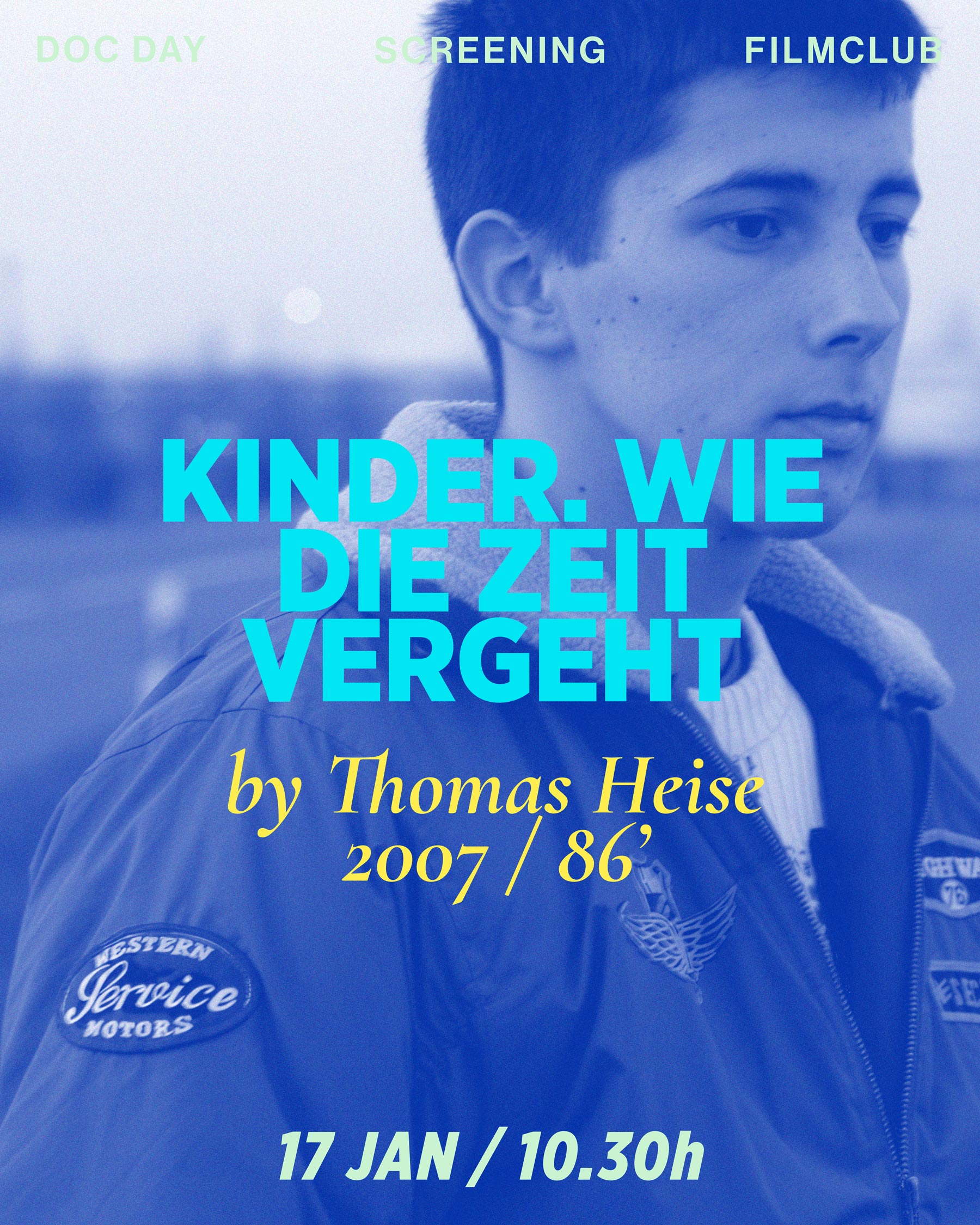
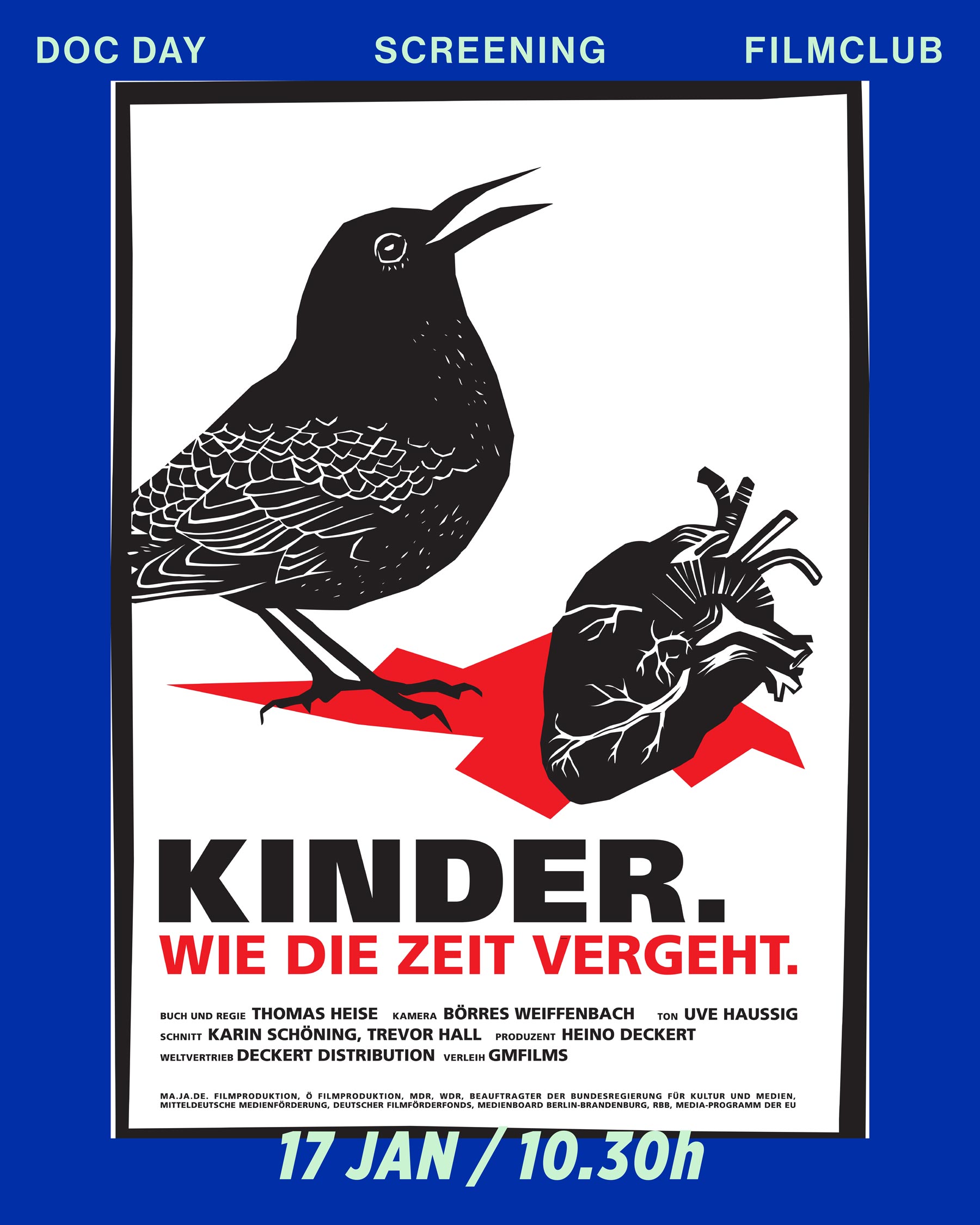
With this third documentary on the same community he had been following since the early 1990s, Heise completed his multi-generational chronicle of reunified eastern Germany—a trilogy that remains strikingly timeless, revealing the roots of conflicts still present in society today.
Shot over fifteen years (1992-2007) in Halle-Neustadt, a planned socialist city that suffered heavily from the economic shock of reunification, the trilogy traces families across three generations as they navigate unemployment, loss of identity, and growing extremism. What makes Heise’s work so prescient is how the films anticipated contemporary phenomena like the rise of the AfD, and intensified debates around migration—showing not just what happened, but why. Through his patient, observational approach, Heise created an invaluable document that helps us understand the deeper historical forces shaping Germany—and Europe—today.
The matinée will be followed by an online Q&A with filmmaker Marie Wilke about Heise’s work and his significance to German documentary cinema.
DOK Leipzig 2007 (Silver Dove Int. Competition), Duisburger Filmwoche 2007, Visions du Réel Nyon 2008, Crossing Europe IFF Linz 2008, Dokwoche Hamburg 2008, Planete Doc Review Warschau 2008, Cinéma Verité Int. Dokumentarfilmfestival Tehran 2008, DocBsAs08 Doc Buenos Aires 2008, DokumentART Neubrandenburg 2008, Verzio Dokumentarfilmfestival Budapest 2008, L’Alternativa Barcelona 2008, Int. Filmfestival Turin 2008
Nominated for European Film Award 2008 in the category Documentary Film – Prix Arte
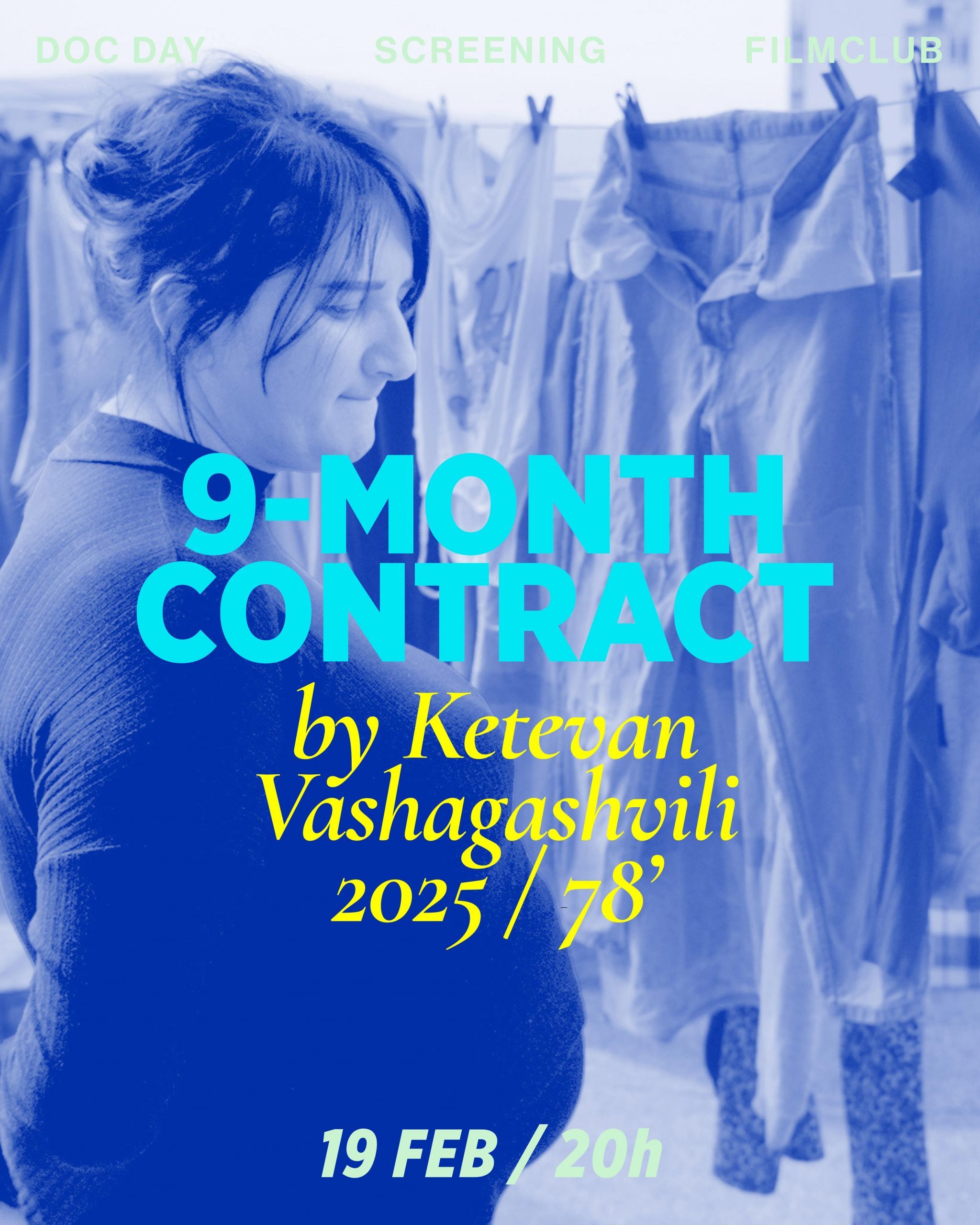
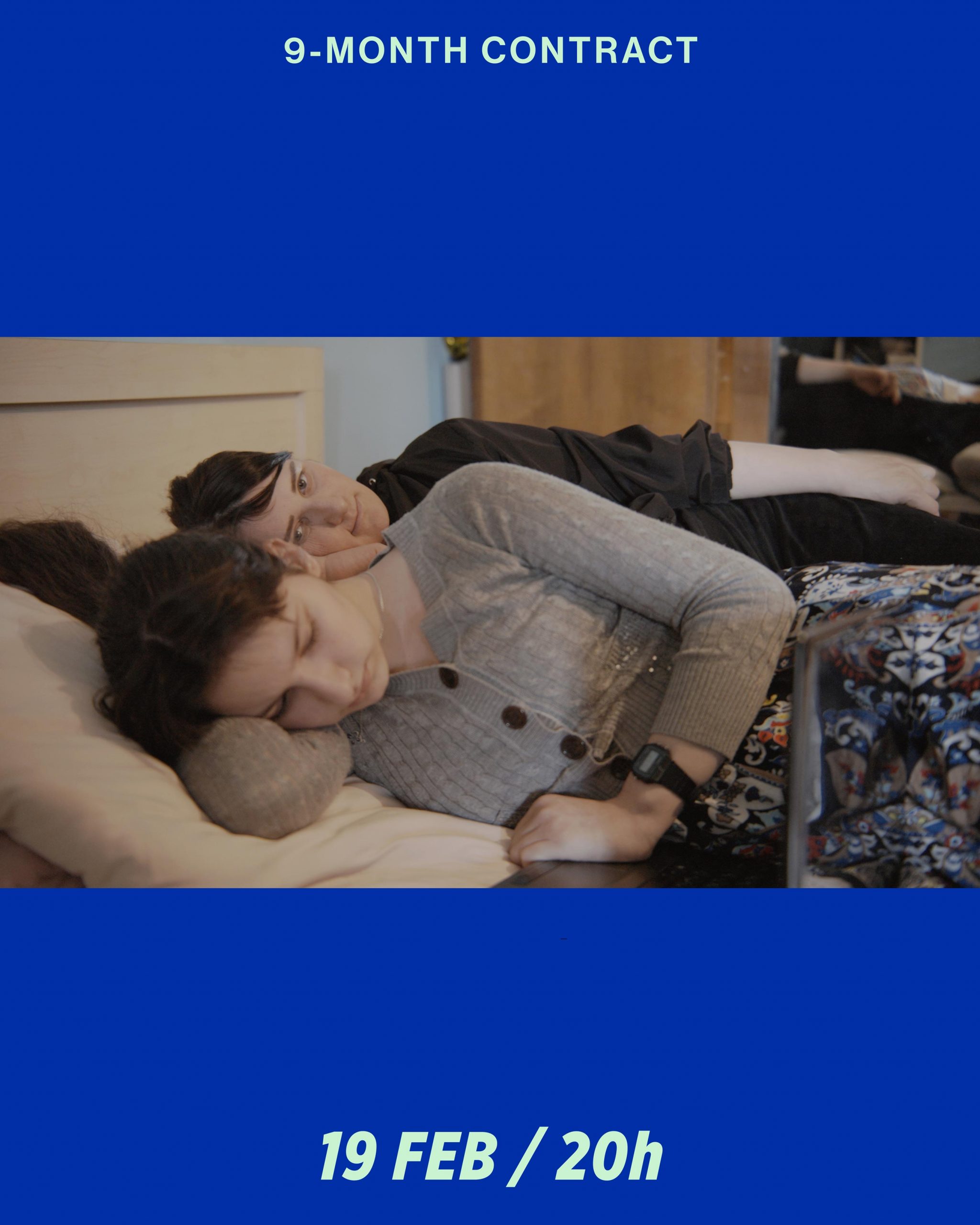
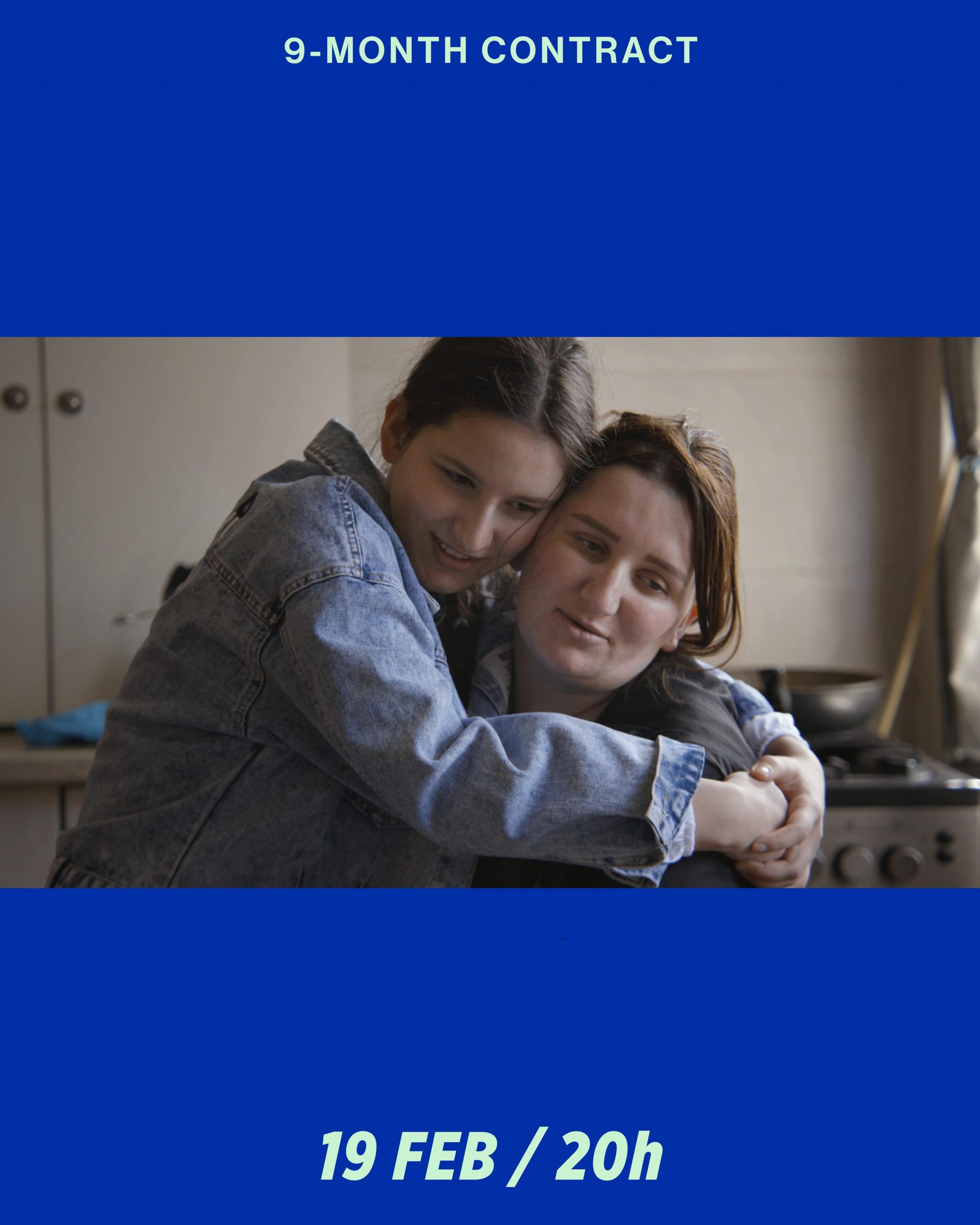
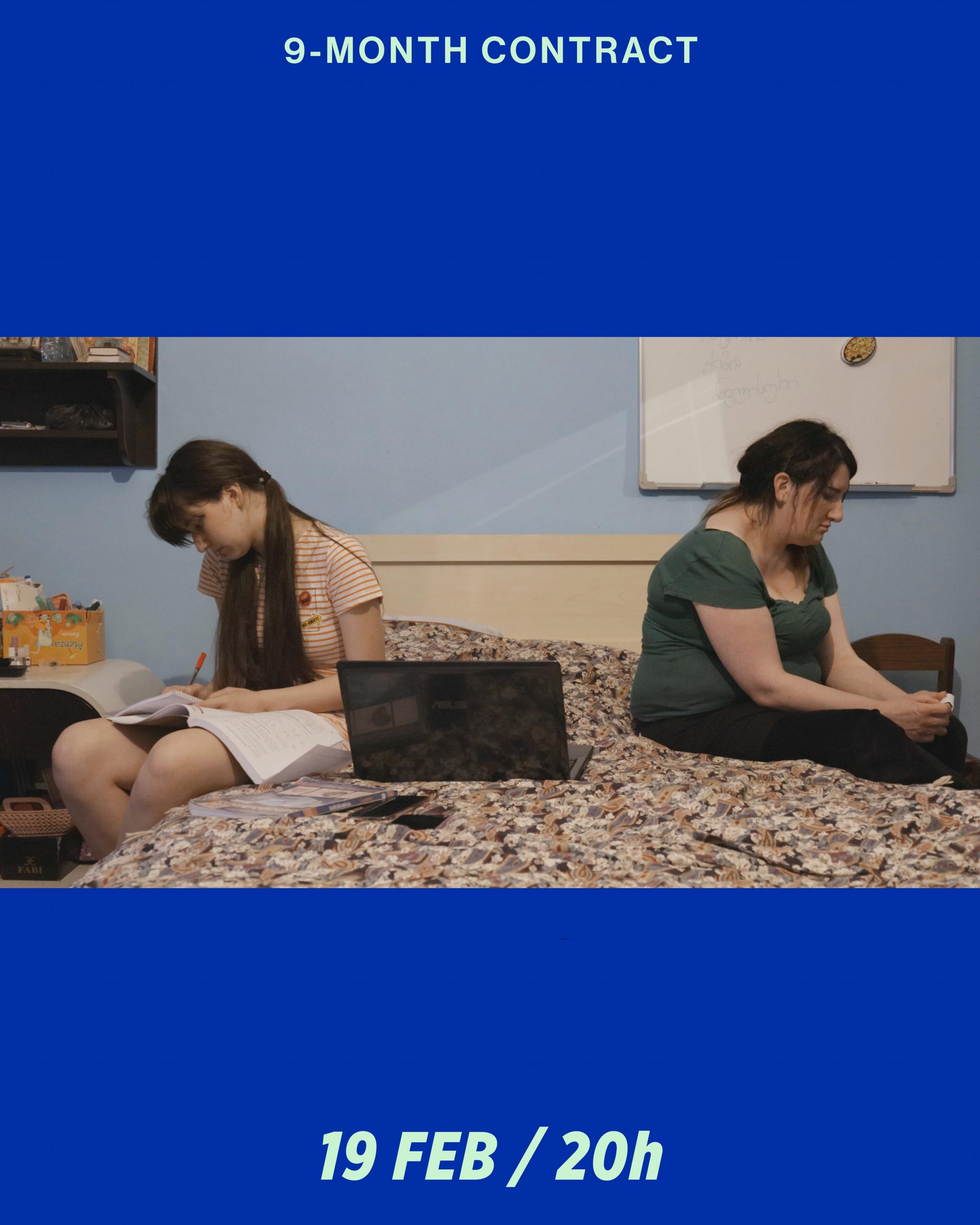
Nine months of pregnancy for 14,000 dollars? A long friendship between director and protagonist evolves into a film about surrogate motherhood and dignity in an unregulated industry in Tbilisi.
For single Georgian mother Zhana, surrogacy is the only way to give her teenage daughter Elene a better and more dignified life. She has no education, a job as a cashier at the local supermarket, and has grown up somewhere between the orphanage and the streets of Tbilisi. In desperation, she rents her womb to foreign childless couples. 14,000 dollars for nine months of pregnancy. The amount, which at first seems large, quickly runs out and before she knows it, she is stuck in a vicious spiral. From pregnancy to pregnancy, her health deteriorates. Zhana tries to keep her growing belly hidden from her daughter, but Elene is also growing bigger and smarter, and what happens when she sees through her mother? Fear of poverty and working as a surrogate pushes her ageing body to the limit.
Ketevan Vashagashvili has portrayed the relationship between mother and daughter with trust and intimacy over many years, creating an unflinching film about a woman’s love for her daughter – and a system that is ready to exploit it.
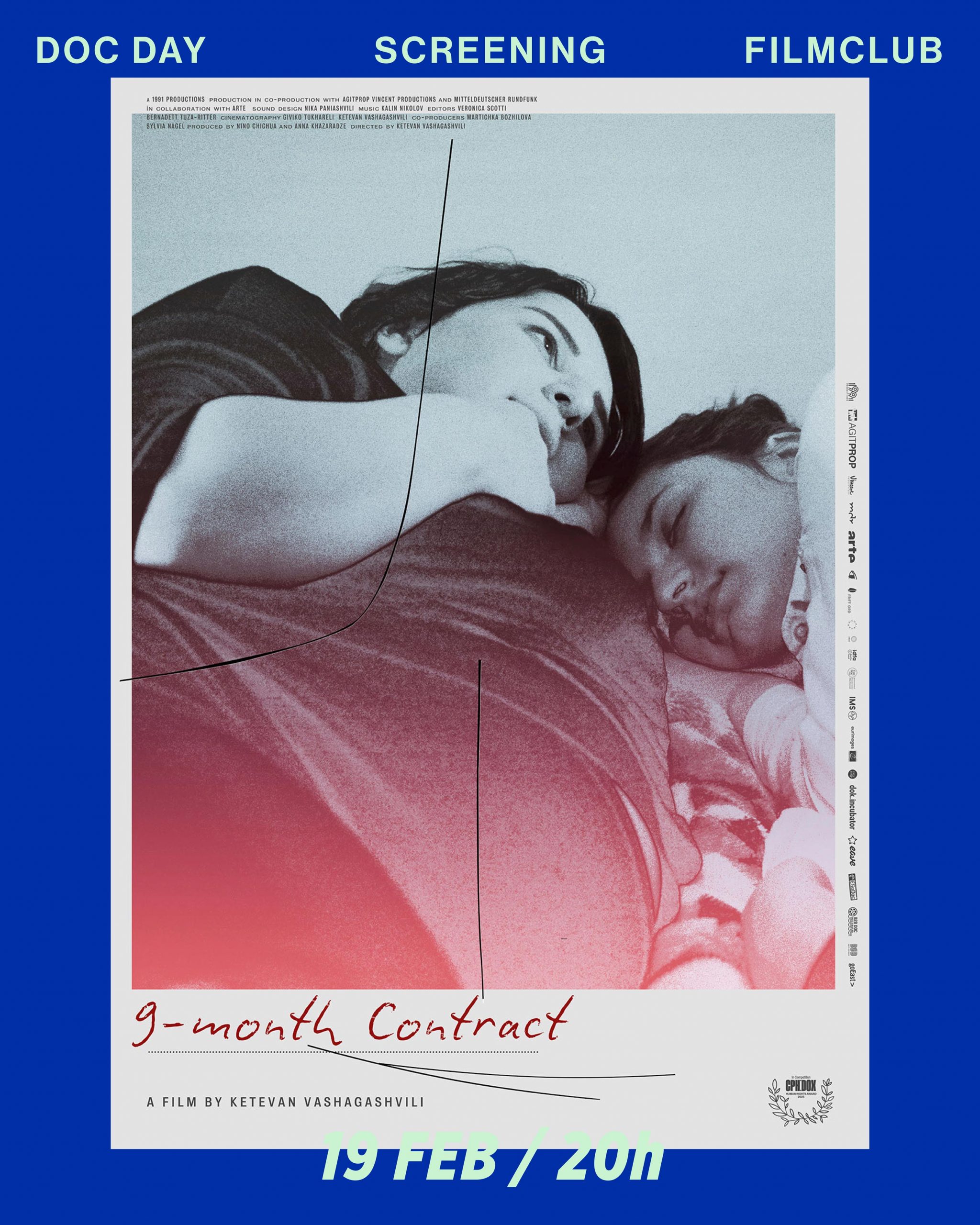

- CPH:DOX (Copenhagen International Documentary Film Festival).
- DocsBarcelona.
- Sarajevo Film Festival.
- Hot Docs Canadian International Documentary Festival.
- DOK.fest München.
- DOC NYC.
- PÖFF (Tallinn Black Nights Film Festival).
- Verzio Human Rights Documentary Film Festival.
- Tbilisi International Film Festival.
- Krakow Film Festival.
- Bergen International Film Festival (BIFF).
- Crossing Europe Film Festival Linz
- SevilFest
- Doxumentale Film- und Medienfestival Berlin
- Sofia DocuMental
- Festival International du Film Politique
- Trieste Film Festival
* Best International Documentary – Verzió Film Festival
* Human:Rights Award at CPH:DOX
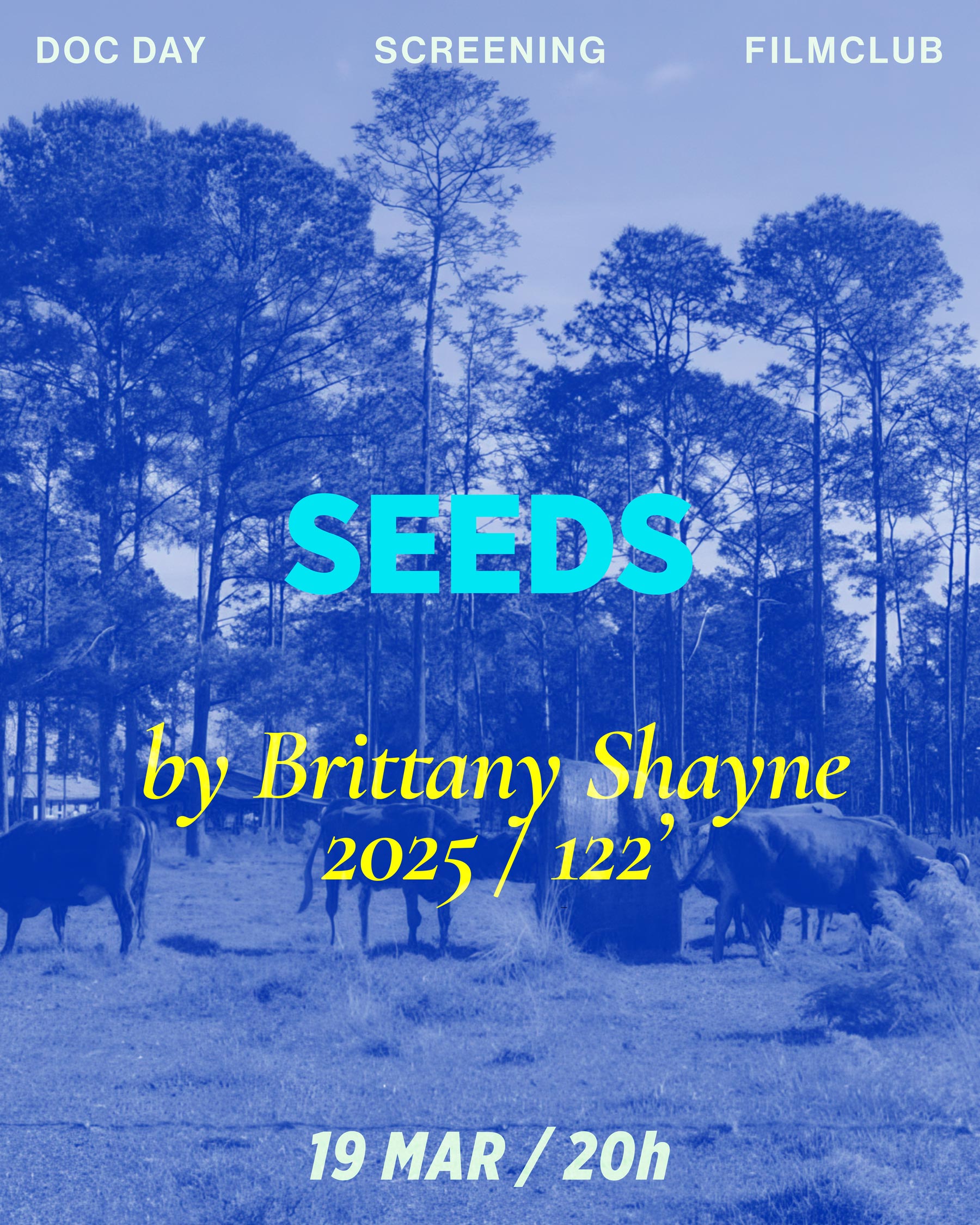
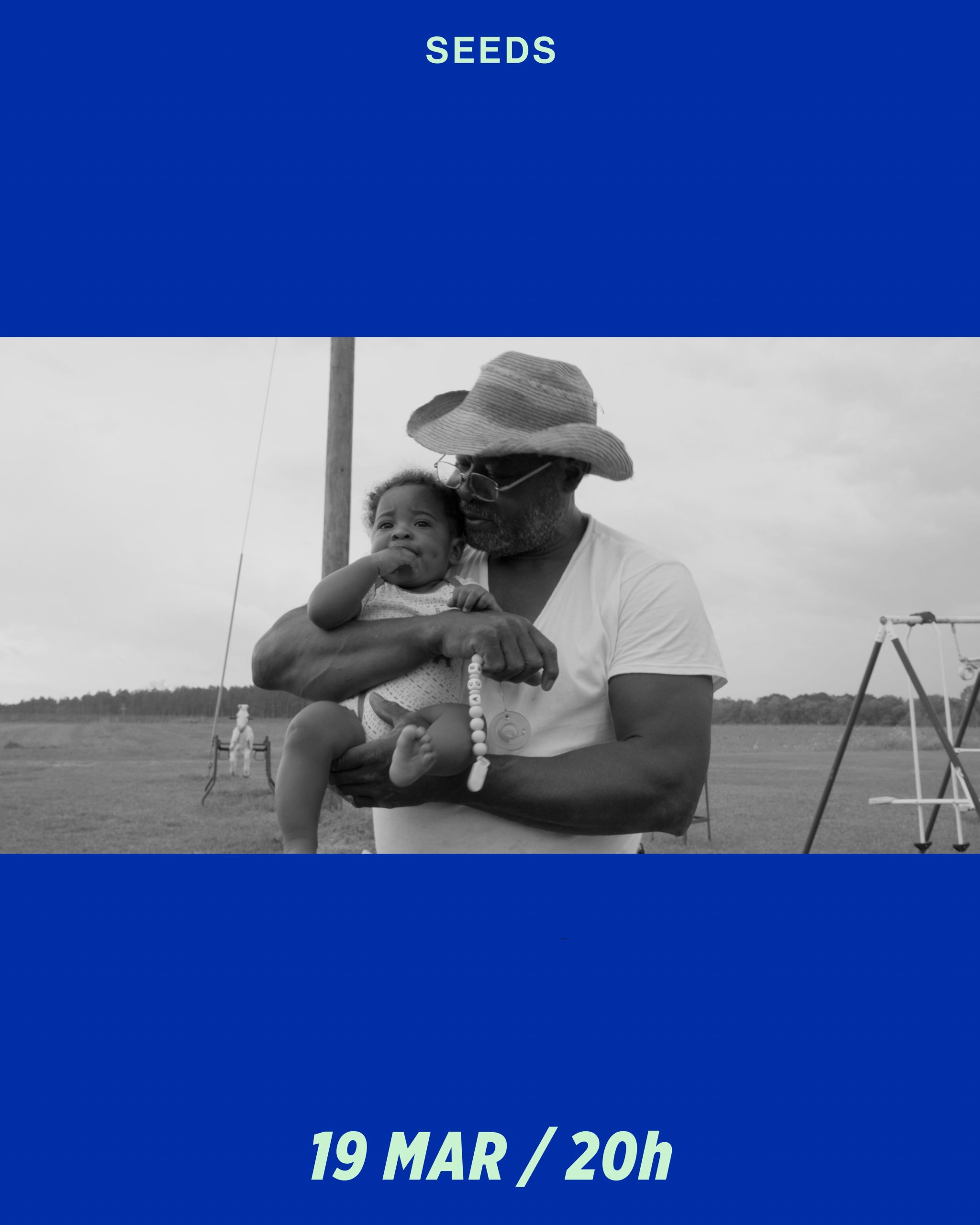
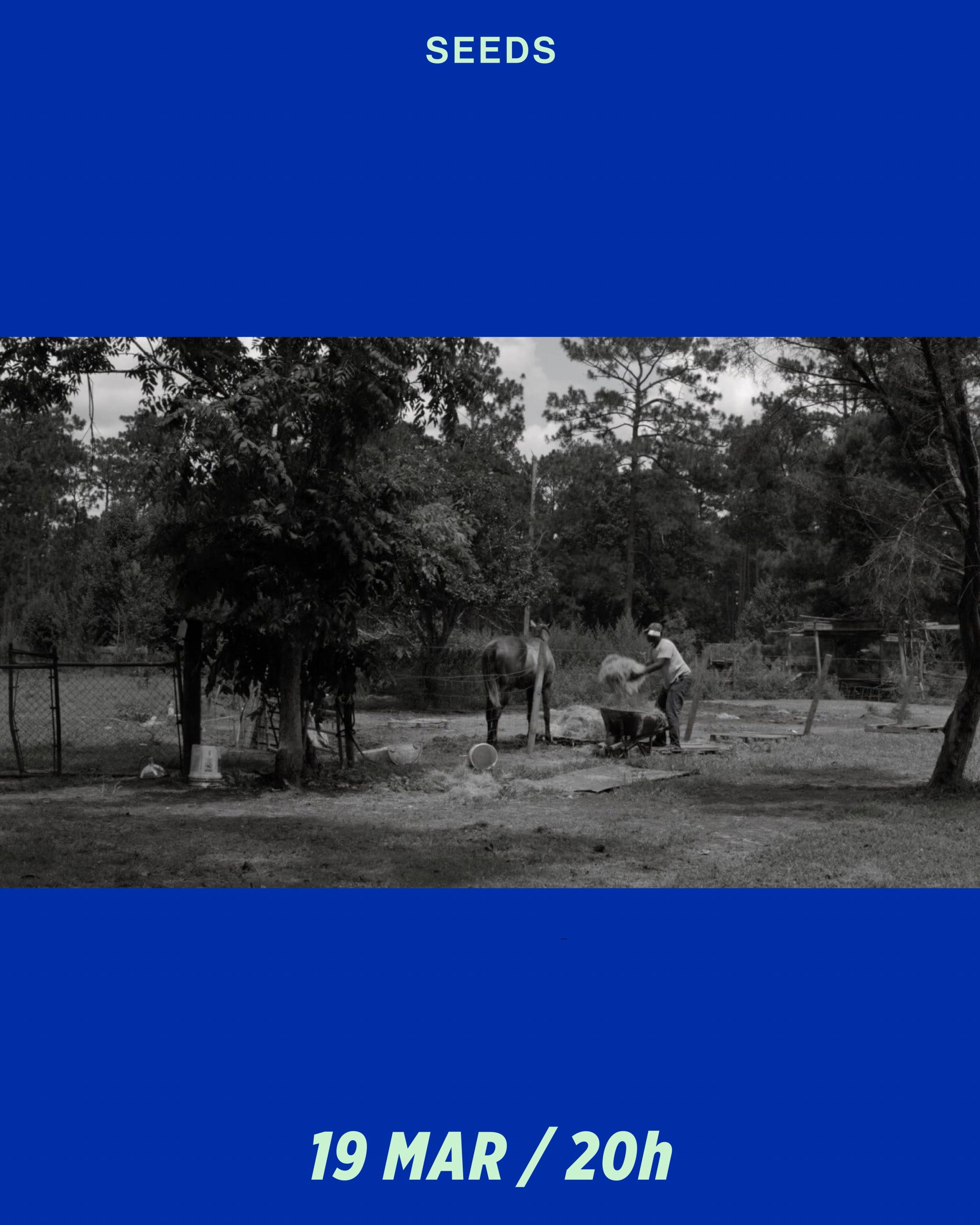
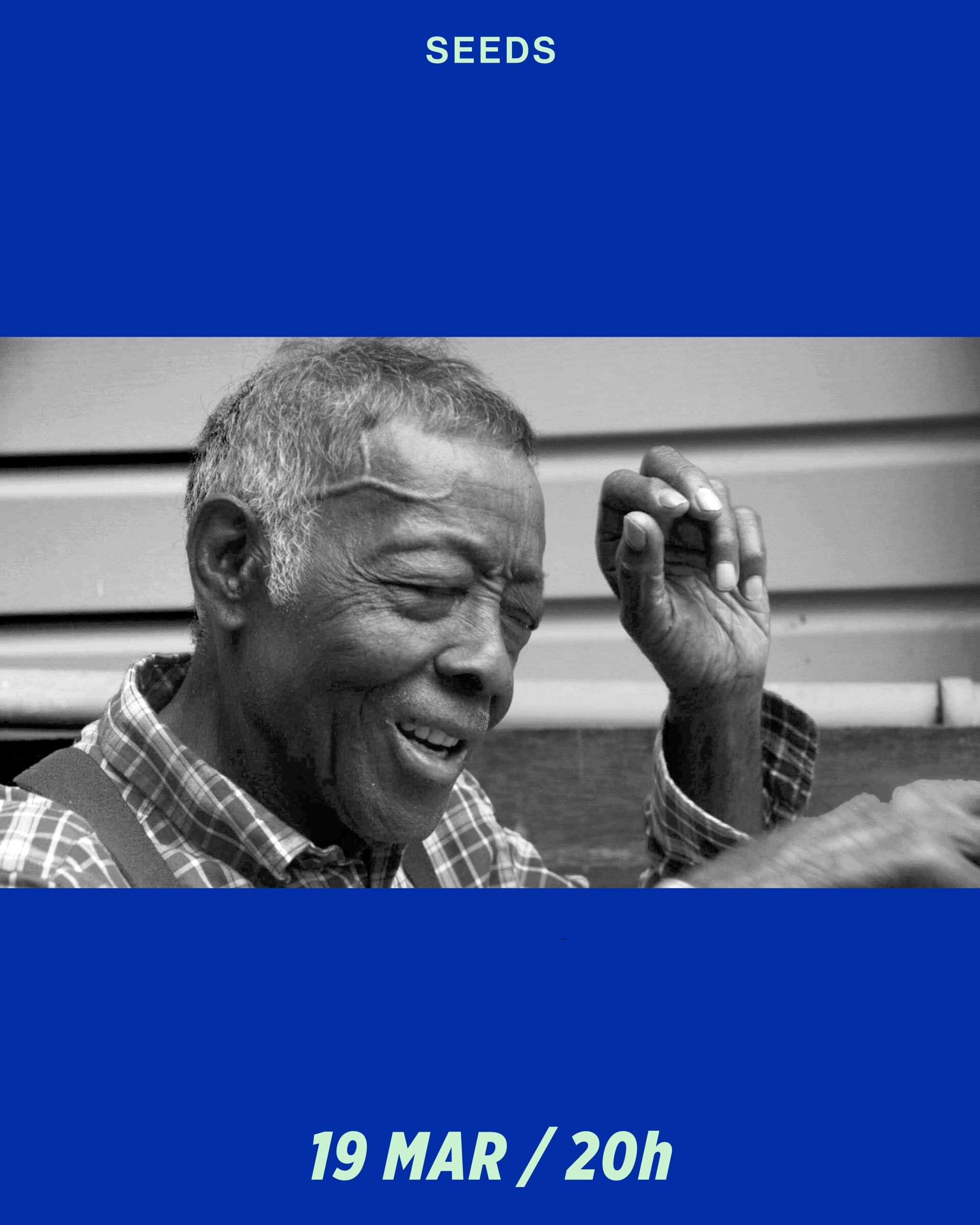
In Seeds, director Brittany Shyne, whose agrarian roots provide a personal connection to the story, sheds light on the present and historical economic injustices faced by Black farmers. A telling moment in the film is the powerful protest scene featuring farmers with a sign that reads “Justice for Black Farmers,” a symbol of their fight against the systemic barriers that threaten their livelihoods.
Shot in striking black and white, Seeds follows multiple generations of Black farming families, centering on the elder farmers as they navigate their daily lives—farming, caring for their grandchildren, seeking medical care, and engaging with the community. Through intimate moments of family gatherings, political dialogues, and personal struggles, the documentary captures the beauty, resilience, and resourcefulness of these families in the face of adversity.
This poignant and compelling portrait of Black farmers in the South honors their legacies while offering a window into their enduring strength. Seeds is not just a film about hardship; it’s a celebration of community, family, and the joy that can be found in the simplest moments, even when resources are scarce and farming subsidies aren’t reaching the people who need them most.
Sundance Film Festival
*Winner Grand Jury Award*
World Premiere , 2025
True/False , 2025
Thessaloniki Documentary Film Festival
International / European World Premiere – Competition , 2025
Green Mountain Film Festival, 2025
CPH: DOX, 2025
Cleveland International Film Festival, 2025
Full Frame
*Winner Grand Jury Award*
New Docs, 2025
Athens International Film And Video Festival
*Winner 1st Prize Feature Documentary*, 2025
Minneapolis St.Paul International Film Festival, 2025
RiverRun International Film Festival
*Winner Best Director*, 2025
Hong Kong International Film Festival
Asian Premiere – Documentary Competition, 2025
Yellow Springs Mini Film Festival, 2025
San Francisco International Film Festival
*Winner Kirby Walker Documentary Award*, 2025
Ashland Film Festival
*Visionary Lens Award*, 2025
Las Palmas de Gran Canaria International Film Festival, 2025
Margaret Mead Film Festival
New York Premiere – Opening Night, 2025
Austin Film Society Doc Days, 2025
DOK.fest München, 2025
Dayton Black Women’s Film Festival, 2025
Seattle International Film Festival, 2025
Beldocs International Documentary Film Festival, 2025
Festival de Cine Africano – FCAT, 2025
International Film Festival Innsbruck (IFFI), 2025
Guadalajara International Film Festival(FICG), 2025
Provincetown Film Festival, 2025
DC/DOX, 2025
Bentonville Film Festival, 2025
Nevada City Film Festival, 2025
Oak Cliff Film Festival, 2025
Newark Black Film Festival, 2025
BlackStar Film Festival, 2025
DokuFest, 2025
Vashon Island Film Festival, 2025
Melbourne International Film Festival, 2025
Middlebury New Filmmakers Festival, 2025
Sidewalk Film Festival, 2025
Camden International Film Festival, 2025
Vino Vérité Film Festival, 2025
Zurich Film Festival, 2025
New/Next Film Festival, 2025
Hamptons International Film Festival, 2025
Vancouver International Film Festival, 2025
BFI London Film Festival, 2025
Heartland Film Festival, 2025
Woodstock Film Festival, 2025
New Hampshire Film Festival, 2025
Hot Springs Film Festival, 2025
Tallgrass Film Festival, 2025
El Gouna Film Festival,2025
CLAM Film Festival, 2025
Montclair Film Festival, 2025
New Orleans Film Festival, 2025
Twin Cities Film Festival, 2025
Virginia Film Festival, 2025
Chicago International Film Festival, 2025
AFI Festival, 2025
São Paulo International Film Festival, 2025
DocOctober, 2025
Denver Film Festival, 2025
Unorthodocs Film Festival, 2025
Bainbridge Island Film Festival, 2025
Houston Arts Film Festival, 2025
Black Harvest Film Festival, 2025
Ojai Playhouse Film Festival, 2025
DOC NYC, 2025
IDFA, 2025
LDNDOCS, 2025
Torino Film Festival, 2025
MAYSLES CINEMA, 2025